—°F Boise, ID
◈ Cross-Vertical Intelligence · Treasure Valley · Boise Standard

Coworking Commercial Space ↔ relates to ↔ Manufacturing Food Processing

28 Wikipedia bridge articles confirmed in both vertical ledgers. 264 deterministic cross-vertical edges. 6,842 external source links harvested. Every edge provenance-stamped. Every claim auditable.

28 QID Bridge Articles
264 Cross Edges
6,842 External Sources
304 Wikipedia Articles
28 🌲 Evergreen
185 🌿 Branch
HIGH SIGNAL · refinery-treasurevalley-v1.0.0
◈ Machine-Readable Schema
Deterministic Cross-Vertical Summary
PASS 2 · ZERO LLM
Entities Compared
Coworking Commercial Space
× Manufacturing Food Processing
QID Bridge Articles
28
confirmed Wikipedia overlap
Total Cross Edges
264
External Sources Harvested
6,842
from Wikipedia external links
Geography
Treasure Valley, Ada County, Canyon County, Idaho, United States
Gate Tier
high
Haiku FAQ generated
Strongest Edge
Zoning
score: 1.0000  ·  type: exact_title_cross  ·  29 shared tokens
QID Bridge Titles (20)
ZoningBoise State UniversityRetailBoise AirportCollege of Western IdahoWarehouseTreasure ValleyIndustrial parkSnake River PlainBoise RiverNorthwest Nazarene UniversityNampa, IdahoMergers and acquisitionsUnited States Environmental Protection AgencyBoise, IdahoBuilding codeHeating, ventilation, and air conditioningOccupational Safety and Health AdministrationPrivate equityAda County, Idaho
Shared Semantics (20 tokens)
idahoboisemetropolitancensusadanorthwestlocalbusinesspublicwesternsouthwesternlargestcapitalbuildingbuildingsdevelopmentcollegeeducationenvironmentaldepartment
Pipeline
refinery-treasurevalley-v1.0.0
Generated
2026-07-17 20:08:26 UTC
Content Hash
51fa72cb55bc2687
◈ Wikipedia Bridge Articles
QID Overlap — Confirmed in Both Vertical Ledgers
28 BRIDGES
Zoning
Q702232 EXACT TITLE 1.000
QID OVERLAP: Q702232 in coworking_commercial_space (tier:evergreen) and manufacturing_food_processing (tier:evergreen). | SHARED TOKENS (29): "activities", "allowed", "building", "buildings", "combine", "determine", "developed", "development", "different", "form", "government", "industrial", "land", "land-use", "local", "municipality", "places", "planning", "policy", "property".... | EXACT TITLE in coworking_commercial_space: "Zoning". | EXACT TITLE in manufacturing_food_processing: "Zoning".
activitiesallowedbuildingbuildingscombinedeterminedevelopeddevelopmentdifferentformgovernmentindustriallandland-uselocalmunicipalityplacesplanningpolicypropertyquestionregulatoryresidentialrulesscalesinglesystemsuseszoning
s", each of which has a set of regulations for new development that differs from other zones. Zones may be defined for a single use (e.g. residential, industrial), they may combine several compatible activities by use, or in the case of form-based zoning, the differing regulations may govern the density, size and shape of allowed buildings whatever their use. The planning rules for each zone determine whether planning permission for a given development may be granted. Zoning may specify a variety of outright and conditional uses of land. It may indicate the size and dimensions of lots that land may be subdivided into, or the form and scale of buildings. These guidelines are set in order to guide urban growth and development. Zoning is the most common regulatory urban planning method used by local governments in developed countries. Exceptions include the United Kingdom and the city of Houston, Texas.
History The origins of zoning districts can be traced back to antiquity. The ancient walled city was the predecessor for classifying and regulating land, based on use. Outside the city walls were the undesirable functions, which were usually based on noise and smell. The space between the walls is where unsanitary and dangerous activities occurred such as butchering, waste disposal, and brick-firing. Within the walls were civic and religious places, and where the majority of people lived. Beyond distinguishing between urban and non-urban land, most ancient cities further classified land types and uses inside their walls. This was practiced in many regions of the world – for example, in China during the Zhou Dynasty (1046 – 256 BC), in India during the Vedic Era (1500 – 500 BC), and in the military camps that spread throughout the Roman Empire (31 BC – 476 AD). Throughout the Age of Enlightenment and Industrial Revolution, cultural and socio-economic shifts led to the rapid increase in the enforcement and invention of urban regulations. The shifts were informed by a new scientific rationality, the advent of mass production and complex manufacturing, and the subsequent onset of urbanisation. Industry leaving the home reshaped modern cities. The definition of home was tied to the definition of economy, which caused a much greater mixing of uses within the residential quarters of cities. Separation between uses is a feature of many planned cities designed before the advent of zoning. A notable example is Adelaide in South Australia, whose city centre, along with the suburb of North Adelaide, is surrounded on all sides by a park, the Adelaide Park Lands. The park was designed by Colonel William Light in 1836 in order to physically separate the city centre from its suburbs. Low density residential areas surround the park, providing a pleasant walk between work in the city within and the family homes outside. Sir Ebenezer Howard, founder of the garden city movement, cited Adelaide as an example of how green open space could be used to prevent cities from expanding beyond their boundaries and coalescing. His design for an ideal city, published in his 1902 book Garden Cities of To-morrow, envisaged separate concentric rings of public buildings, parks, retail space, residential areas and industrial areas, all surrounded by open space and farmland. All retail activity was to be conducted within a single glass-roofed building, an early concept for the modern shopping centre inspired by the Crystal Palace. However, these planned or ideal cities were static designs embodied in a single masterplan. What was lacking was a regulatory mechanism to allow the city to develop over time, setting guidelines to developers and private citizens over what could be built where.
Mixed-use zoning combines residential, commercial, office, and public uses into a single space. Mixed-use zoning can be vertical, within a single building, or horizontal, involving multiple buildings. Planning and community activist Jane Jacobs wrote extensively on the connections between the separation of uses and the failure of urban renewal projects in New York City. She advocated dense mixed-use developments and walkable streets. In contrast to villages and towns, in which many residents know one another, and low-density outer suburbs that attract few visitors, cities and inner city areas have the problem of maintaining order between strangers. This order is maintained when, throughout the day and evening, there are sufficient people present with eyes on the street. This can be accomplished in successful urban districts that have a great diversity of uses, creating interest and attracting visitors. Jacobs' writings, along with increasing concerns about urban sprawl, are often credited with inspiring the New Urbanism movement. To accommodate the New Urbanist vision of walkable communities combining cafés, restaurants, offices and residential development in a single area, mixed-use zones have been created within some zoning systems. These still use the basic regulatory mechanisms of zoning, excluding incompatible uses such as heavy industry or sewage farms, while allowing compatible uses such as residential, commercial and retail activities so that people can live, work and socialise within a compact geographic area. The mixing of land uses is common throughout the world.
Boise State University
Q891082 EXACT TITLE 1.000
QID OVERLAP: Q891082 in coworking_commercial_space (tier:evergreen) and manufacturing_food_processing (tier:evergreen). | SHARED TOKENS (24): "activity", "among", "boise", "business", "college", "compete", "division", "economics", "education", "engineering", "founded", "health", "high", "idaho", "independent", "institution", "program", "programs", "public", "reported".... | EXACT TITLE in coworking_commercial_space: "Boise State University". | EXACT TITLE in manufacturing_food_processing: "Boise State University".
activityamongboisebusinesscollegecompetedivisioneconomicseducationengineeringfoundedhealthhighidahoindependentinstitutionprogramprogramspublicreportedresearchtotaluniversitywest
, Arts & Sciences, and Education; MPA program in the School of Public Service; and the MPH program in the College of Health Sciences. It is classified among "R2: Doctoral Universities – High research activity".
The university also has an honors college. Within the College of Arts and Sciences is the School of the Environment, approved by the Idaho State Board of Education in 2022 and established in 2023. Boise State's fall enrollment in 2016 was 23,886 students, and approximately 76 percent of these students were Idaho residents. More than 90 percent of Boise State's first-year students come directly from high school. In the 2015–16 school year, Boise State awarded diplomas to 3,916 distinct graduates, including 18 doctorates, 10 education specialists, 670 master's and 2,998 bachelor's degrees. The university is classified among "R2: Doctoral Universities – High research spending and doctorate production".
Boise State University (BSU) is a public research university in Boise, Idaho, United States. Founded in 1932 by the Episcopal Church, it became an independent junior college in 1934 and has been awarding baccalaureate and master's degrees since 1965. It became a public institution in 1969. Boise State offers more than 100 graduate programs, including a variety of MBA programs and the MAcc program in the College of Business and Economics; master's and PhD programs in the Colleges of Engineering, Arts & Sciences, and Education; MPA program in the School of Public Service; and the MPH program in the College of Health Sciences. It is classified among "R2: Doctoral Universities – High research activity".
Retail
Q126793 EXACT TITLE 1.000
QID OVERLAP: Q126793 in coworking_commercial_space (tier:evergreen) and manufacturing_food_processing (tier:evergreen). | SHARED TOKENS (62): "access", "alongside", "analysis", "booths", "broader", "business", "center", "chain", "combine", "commonly", "competition", "consumers", "core", "costs", "credit", "customer", "customers", "decisions", "described", "design".... | EXACT TITLE in coworking_commercial_space: "Retail". | EXACT TITLE in manufacturing_food_processing: "Retail".
accessalongsideanalysisboothsbroaderbusinesscenterchaincombinecommonlycompetitionconsumerscorecostscreditcustomercustomersdecisionsdescribeddesigndirectlyeconomicallyemployeesenvironmentalevidenceexperiencefirmshandlinghistoryincreasing+32
ng the retail marketing mix, commonly summarized as six “Ps”: product, place, promotion, price, personnel, and presentation (physical evidence). Place decisions include location, operating hours, and access, and many retailers have expanded into multichannel models that combine physical and online retail. Pricing strategy and tactics can include discounts, everyday low pricing, high-low pricing, loss leaders, bundling, and psychological pricing, alongside planning for customer payment modes that carry handling costs. Retail labor needs often vary by time and season, which has supported flexible scheduling; one cited estimate is that in 2012, about 70% of United States retail workers were part-time. Over time, many retailers have emphasized longer-term customer relationships rather than one-time transactions, while also investing in store design (layout, lighting, music, signage, and “decompression” areas) to shape the shopping experience. In the digital age, an increasing number of retailers are seeking to reach broader markets by selling through multiple channels, including both brick and mortar and online retailing. Digital technologies are also affecting the way that consumers pay for goods and services. Retailing support services may also include the provision of credit, delivery services, advisory services, stylist services and a range of other supporting services. Retail workers are the employees of such stores. The retail sector is economically significant and employs large workforces. Most modern retailers typically make a variety of strategic level decisions including the type of store, the market to be served, the optimal product assortment, customer service, supporting services, and the store's overall market positioning.
Legal definition and explanation Retail refers to the activity of selling goods or services directly to consumers or end-users. Some retailers may sell to business customers, and such sales are termed non-retail activity. In some jurisdictions or regions, legal definitions of retail specify that at least 80 percent of sales activity must be to end-users. In the banking industry "wholesale" usually refers to wholesale banking, providing tailored services to large customers, in contrast with retail banking, providing standardized services to large numbers of smaller customers. Retailing often occurs in retail stores or service establishments, but may also occur through direct selling, such as through vending machines, door-to-door sales or electronic channels. Although the idea of retail is often associated with the purchase of goods, the term may be applied to service providers that sell to consumers. Retail service providers include retail banking, tourism, insurance, private healthcare, private education, private security firms, legal firms, publishers, public transport, and others. For example, a tourism provider might have a retail division that books travel and accommodation for consumers, plus a wholesale division that purchases blocks of accommodation, hospitality, transport, and sightseeing, which are subsequently packaged into a holiday tour for sale to retail travel agents. Some retailers badge their stores as "wholesale outlets" offering "wholesale prices". While this practice may encourage consumers to imagine that they have access to lower prices, while being prepared to trade off reduced prices for cramped in-store environments, in a strictly legal sense, a store that sells the majority of its merchandise directly to consumers is defined as a retailer rather than a wholesaler. Different jurisdictions set parameters for the ratio of consumer to business sales that define a retail business.
A retail mix is devised for the purpose of coordinating day-to-day tactical decisions. The retail marketing mix typically consists of six broad decision layers, including product decisions, place decisions, promotion, price, personnel and presentation (also known as physical evidence). The retail mix is loosely based on the marketing mix, but has been expanded and modified in line with the unique needs of the retail context. Several scholars have argued for an expanded marketing mix with the inclusion of two new Ps, namely, Personnel and Presentation since these contribute to the customer's unique retail experience and are the principal basis for retail differentiation. Yet other scholars argue that the Retail Format (i.e. retail formula) should be included. The modified retail marketing mix that is most commonly cited in textbooks is often called the 4 (place, price, product, and promotion) or 6 Ps of retailing (see diagram at right).The primary product-related decisions facing the retailer are the product assortment (what product lines, how many lines and which brands to carry); the type of customer service (high contact through to self-service) and the availability of support services (e.g. credit terms, delivery services, after sales care). These decisions depend on careful analysis of the market, demand, competition, as well as the retailer's skills and expertise. Customer service is the "sum of acts and elements that allow consumers to receive what they need or desire from [the] retail establishment." Retailers must decide whether to provide a full service outlet or a minimal service outlet, such as no service in the case of vending machines; self-service with only basic sales assistance or a full service operation as in many boutiques and speciality stores. In addition, the retailer needs to make decisions about sales support, such as customer delivery and after-sales customer care. Place decisions are primarily concerned with consumer access and may involve location, space utilisation and operating hours. Retailers may consider a range of both qualitative and quantitative factors to evaluate the potential sites under consideration. Macro factors include market characteristics (demographic, economic and socio-cultural), demand, competition and infrastructure (e.g. the availability of power, roads, public transport systems). Micro factors include the size of the site (e.g. availability of parking), access for delivery vehicles. A major retail trend has been the shift to multi-channel retailing. To counter the disruption caused by online retail, many brick-and-mortar retailers have entered the online retail space by setting up online catalogue sales and e-commerce websites. However, many retailers have noticed that consumers behave differently when shopping online. For instance, in terms of choice of online platform, shoppers tend to choose the online site of their preferred retailer initially, but as they gain more experience in online shopping, they become less loyal and more likely to switch to other retail sites.
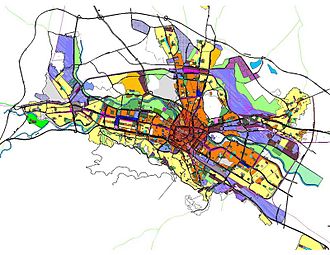
Boise Airport
Q1430971 EXACT TITLE 1.000
QID OVERLAP: Q1430971 in coworking_commercial_space (tier:branch) and manufacturing_food_processing (tier:evergreen). | SHARED TOKENS (22): "ada", "air", "base", "boise", "center", "commercial", "department", "facility", "falls", "fire", "functions", "general", "idaho", "international", "national", "operated", "operates", "protection", "requiring", "support".... | EXACT TITLE in manufacturing_food_processing: "Boise Airport".
adaairbaseboisecentercommercialdepartmentfacilityfallsfirefunctionsgeneralidahointernationalnationaloperatedoperatesprotectionrequiringsupportuseswestern
irport (IATA: BOI, ICAO: KBOI, FAA LID: BOI) (Boise Air Terminal or Gowen Field) is a joint civil-military airport in the western United States in Idaho, three miles (5 km) south of downtown Boise in Ada County. The airport is operated by the city of Boise Department of Aviation, overseen by an airport commission. Boise Airport is the busiest airport in the state with more than 5.2 million passengers serviced in 2025. Boise Airport services roughly ten times as many passengers as the next busiest airport at Idaho Falls. In 2020 it serviced more passenger flights than all other Idaho airports combined. Boise is a landing rights airfield requiring international general aviation flights to receive permission from a Customs and Border Protection officer before landing. In addition to being a commercial and general aviation airport, Boise also functions concurrently as a USAF military facility as used by the 124th Fighter Wing (124 FW) of the Idaho Air National Guard on the Gowen Field Air National Guard Base portion of the airport. The 124 FW operates the A-10 Thunderbolt II aircraft. The National Interagency Fire Center is based in the city of Boise and the Boise Airport is used for logistical support. The United States Forest Service (USFS) also uses Boise Airport as a base for aerial firefighting air tankers during the wildfire season. Boise Airport enplaned 2,248,435 passengers in 2022, an increase of 24% vs.
The Boise Airport Passenger Terminal designed by CSHQA is a three-story, steel-framed 378,000-square-foot (35,100 m2) state-of-the-art aviation facility. Curvilinear, steel trusses create the undulating ceiling plane of the ticket lobby and define the signature profile of the building. The terminal has garnered national attention for the beauty of its design and is considered a prototypical post-9/11 facility. The Boise Airport was fourth in passenger satisfaction in the J.D. Power and Associates 2004 Global Airport Satisfaction Index Study. Power no longer publishes a global listing, and the airport was not listed in the 2017 North American ranking. The Boise Airport was a hub for Horizon Air from the late 1980s to the early 2000s. Horizon Air was acquired by the Alaska Air Group, the parent company of Alaska Airlines, in 1986 and began code sharing flights for Alaska Airlines at that time. During the summer of 1990, Horizon Air was operating up to 36 departures a day from the airport to destinations in Idaho, Oregon, and Washington, as well as direct one stop service to Salt Lake City. By 1999, Horizon Air was operating up to 22 departures a day from Boise with Fokker F28 Fellowship jets with additional flights being operated with de Havilland Canada DHC-8 Dash 8 turboprops. The regional airline also previously operated Dornier 328, Fairchild F-27, and Swearingen Metroliner propjets. Boise is currently a focus city for Alaska Airlines service operated by both Horizon Air and code sharing partner SkyWest Airlines. Boise was also one of the primary destinations served by Cascade Airways which competed with Horizon Air.
In 2008, city officials broke ground for Boise Air Terminal's new airport traffic control tower, the latest facilities improvement. The tower's height at 295 feet (90 m) made it the tallest building in the state of Idaho (surpassed in 2013 by the 323-foot (98 m) Zions Bank Idaho Headquarters Building in downtown Boise), and the Northwest's tallest control tower. It was relocated to the south side of the airport in order to control an existing 5,000-foot (1,525 m) Guard assault strip, runway 09/27, south of Gowen Road. The tower was planned and constructed when it was believed that the radar functions would be moved to Salt Lake City in Utah. After it was decided to leave the radar positions in Boise, the facility at the base of the tower was redesigned and partially remodeled to house the Terminal Radar Approach Control (TRACON). The tower and TRACON opened on September 16, 2013, with updated electronics and equipment, including the STARS radar system; improving services and safety for pilots and the flying public. With the expanded facilities and new equipment, the TRACON operates the approach control for Boise Airport, and also remotely operates the approach control for the Bozeman Airport in Montana. The TRACON was then renamed Big Sky Approach to reflect the broader geographical coverage. The consolidation of Boise and Bozeman approach control facilities into Big Sky Approach is part of the FAA's continuing plan to consolidate approach control services across the nation.
College of Western Idaho
Q5146875 EXACT TITLE 1.000
QID OVERLAP: Q5146875 in coworking_commercial_space (tier:evergreen) and manufacturing_food_processing (tier:evergreen). | SHARED TOKENS (27): "academic", "ada", "boise", "campus", "canyon", "career", "college", "counties", "credit", "cwi", "development", "education", "idaho", "large", "nampa", "primary", "programs", "public", "reported", "southern".... | EXACT TITLE in coworking_commercial_space: "College of Western Idaho". | EXACT TITLE in manufacturing_food_processing: "College of Western Idaho".
academicadaboisecampuscanyoncareercollegecountiescreditcwidevelopmenteducationidaholargenampaprimaryprogramspublicreportedsouthernstudentstechnicalthroughouttreasurevalleywesternworkforce
Southern Idaho and North Idaho College, in Idaho and is governed by a five-member board of trustees elected at large by voters in Ada and Canyon counties. CWI offers over 120 programs in the areas of Academic Transfer, Dual Credit, Career and Technical Education, Workforce Development, and Adult Education. In fall of 2023, CWI served 21,359 credit students and 14,951 noncredit students. CWI reported the gender of their students to be 55% female and 45% male.
History Prior to the creation of CWI, Boise was one of the largest metropolitan statistical areas in the United States without a community college. CWI was created on May 22, 2007, when voters of Canyon and Ada counties passed a measure to allow the formation of the new community college district. In June 2007, the Albertson Foundation announced it was donating $10 million to help found the college. In July 2007, the Idaho State Board of Education selected an initial five-member board of trustees. The following month Boise State University faculty member Dennis Griffin was named to a two-year term as the college's first president and CWI began offering academic classes on January 20, 2009, with an enrollment of over 1,100 students. In the summer of 2009 the professional-technical programs from Boise State University's Selland College of Applied Technology transitioned to CWI. By the fall 2009 semester, CWI enrollment had expanded to over 3,600 students. In January 2010, CWI applied for accreditation from the Northwest Commission on Colleges and Universities (NWCCU). NWCCU granted candidacy status at the associate degree level in 2012 and initial accreditation in 2016. President Griffin retired in August 2009 and was succeeded by Bert Glandon. After serving as president for 12 years, Glandon retired from CWI on May 15, 2021. The college's board of trustees named Denise Aberle-Cannata the interim president. CWI Board of Trustees extended an offer to Gordon Jones on Dec. 9, 2021 to be the next president at College of Western Idaho. Gordon Jones accepted the position of President at CWI and began his tenure as the third president in CWI's history on Jan.
Catchment area The college's catchment area includes all of the following counties: Ada, Adams, Boise, Canyon, Gem, Payette, Valley, and Washington. It also includes portions of Elmore and Owyhee counties. Ada and Canyon counties are the taxation zone for the college. Student life CWI has over 30 student clubs and organizations. Student clubs have been created with academic focus as well as special interests. Student groups range from art to physics, horticulture, psychology, Glee, Birdies and Bogies, a Veterans Association, and more. The Associated Students of the College of Western Idaho (ASCWI) serve as the voice of the student body. ASCWI is governed by five officers and eight senators elected by the student body each spring. CWI students participate in competitive, skills-based organizations like Business Professionals of America, SkillsUSA, and Speech and Debate. CWI students have found success at state, regional, and national levels in all three organizations. CWI Speech and Debate captured seven Pi Kappa Delta Community College National Championships in 2011, 2012, 2013, 2015, 2016, 2017, and 2018. Students have earned individual medals at national skills competitions as well. Students have the opportunity to engage on campus through the CWI Presidential Ambassador Program, which promotes leadership and connects students to campus and community events.
Warehouse
Q181623 EXACT TITLE 0.980
QID OVERLAP: Q181623 in coworking_commercial_space (tier:evergreen) and manufacturing_food_processing (tier:evergreen). | SHARED TOKENS (14): "associated", "building", "buildings", "businesses", "designed", "directly", "facility", "function", "industrial", "large", "load", "materials", "parks", "production". | EXACT TITLE in coworking_commercial_space: "Warehouse". | EXACT TITLE in manufacturing_food_processing: "Warehouse".
associatedbuildingbuildingsbusinessesdesigneddirectlyfacilityfunctionindustriallargeloadmaterialsparksproduction
ng goods, which are usually placed on ISO standard pallets and then loaded into pallet racks. Stored goods can include any raw materials, packing materials, spare parts, components, or finished goods associated with agriculture, manufacturing, and production. In India and Hong Kong, a warehouse may be referred to as a godown. There are also godowns in the Shanghai Bund. Warehousing in the past Prehistory and ancient history A warehouse can be defined functionally as a building in which to store bulk produce or goods (wares) for commercial purposes.
A warehouse is a building for storing goods. Warehouses are used by manufacturers, importers, exporters, wholesalers, transport businesses, customs, etc. For a warehouse to function efficiently, the facility must be properly slotted. They are usually large plain buildings, often in industrial parks on the outskirts of cities, towns, or villages. Warehouses usually have loading docks to load and unload goods from trucks. Sometimes warehouses are designed for the loading and unloading of goods directly from railways, airports, or seaports. They often have cranes and forklifts for moving goods, which are usually placed on ISO standard pallets and then loaded into pallet racks. Stored goods can include any raw materials, packing materials, spare parts, components, or finished goods associated with agriculture, manufacturing, and production. In India and Hong Kong, a warehouse may be referred to as a godown.
Kong, a warehouse may be referred to as a godown. There are also godowns in the Shanghai Bund. Warehousing in the past Prehistory and ancient history A warehouse can be defined functionally as a building in which to store bulk produce or goods (wares) for commercial purposes.
Treasure Valley
Q7836726 EXACT TITLE 0.940
QID OVERLAP: Q7836726 in coworking_commercial_space (tier:evergreen) and manufacturing_food_processing (tier:evergreen). | SHARED TOKENS (12): "agricultural", "boise", "idaho", "land", "local", "metropolitan", "owyhee", "region", "southwestern", "treasure", "valley", "western". | EXACT TITLE in coworking_commercial_space: "Treasure Valley". | EXACT TITLE in manufacturing_food_processing: "Treasure Valley".
agriculturalboiseidaholandlocalmetropolitanowyheeregionsouthwesterntreasurevalleywestern
, coined the name "Treasure Valley" in 1959 to reflect the treasure chest of resources and opportunities that the region offered. The valley has a very diverse terrain, from sage flatlands, to mesas, agricultural areas, and urbanized areas. As the Boise Metropolitan Area grows, more and more undeveloped and agricultural land is being urbanized. History Settling the region The tribes that roamed the area, specifically, were the Northern Paiute and Shoshone. In 1834, Thomas McKay built the original Fort Boise, in the area near present-day Parma, which was run for a time by Francois Payette. It later was moved because of flooding troubles and was abandoned in 1854. The Oregon Trail runs through the Treasure Valley. The valley was settled for the most part by ranchers and farmers, initially to supply the gold and silver mining communities in the higher elevations nearby: Idaho City in the Boise Basin and Silver City in the Owyhees. A new Fort Boise was constructed by the U.S. Army in 1863 in present-day Boise, from which the city grew.
The Treasure Valley is a valley in the western United States, primarily in southwestern Idaho, where the Payette, Boise, Weiser, Malheur, and Owyhee rivers drain into the Snake River. It includes all the lowland areas from Vale in rural eastern Oregon to Boise, and is the most populated area in Idaho. Historically, the valley had been known as the Lower Snake River Valley or the Boise River Valley. Pete Olesen, president of the valley's association of local Chambers of Commerce, coined the name "Treasure Valley" in 1959 to reflect the treasure chest of resources and opportunities that the region offered. The valley has a very diverse terrain, from sage flatlands, to mesas, agricultural areas, and urbanized areas.
icultural land is being urbanized. History Settling the region The tribes that roamed the area, specifically, were the Northern Paiute and Shoshone. In 1834, Thomas McKay built the original Fort Boise, in the area near present-day Parma, which was run for a time by Francois Payette. It later was moved because of flooding troubles and was abandoned in 1854. The Oregon Trail runs through the Treasure Valley. The valley was settled for the most part by ranchers and farmers, initially to supply the gold and silver mining communities in the higher elevations nearby: Idaho City in the Boise Basin and Silver City in the Owyhees. A new Fort Boise was constructed by the U.S. Army in 1863 in present-day Boise, from which the city grew.
Industrial park
Q1662100 EXACT TITLE 0.860
QID OVERLAP: Q1662100 in coworking_commercial_space (tier:branch) and manufacturing_food_processing (tier:evergreen). | SHARED TOKENS (8): "business", "development", "estate", "industrial", "industry", "office", "offices", "rather". | EXACT TITLE in manufacturing_food_processing: "Industrial park".
businessdevelopmentestateindustrialindustryofficeofficesrather
ark, also known as industrial estate or trading estate, is an area zoned and planned for the purpose of industrial development. An industrial park can be thought of as a more heavyweight version of a business park or office park, which has offices and light industry, rather than heavy industry. Benefits Industrial parks are usually located on the edges of, or outside, the main residential area of a city, and are normally provided with good transportation access, including road and rail. One such example is the large number of industrial estates located along the River Thames in the Thames Gateway area of London. Industrial parks are usually located close to transport facilities, especially where more than one transport modes coincide, including highways, railroads, airports and ports.
Industrial parks are usually located on the edges of, or outside, the main residential area of a city, and are normally provided with good transportation access, including road and rail. One such example is the large number of industrial estates located along the River Thames in the Thames Gateway area of London. Industrial parks are usually located close to transport facilities, especially where more than one transport modes coincide, including highways, railroads, airports and ports. Another common feature of a North American industrial park is a water tower, which helps to hold enough water to meet the park's demands and for firefighting purposes, and also advertises the industrial park and locality, as usually the community's name and logo are painted onto its surface. This idea of setting land aside through this type of zoning has several purposes: By concentrating dedicated infrastructure in a delimited area, to reduce the per-business cost of that infrastructure.
By concentrating dedicated infrastructure in a delimited area, to reduce the per-business cost of that infrastructure.
Snake River Plain
Q1396049 EXACT TITLE 0.840
QID OVERLAP: Q1396049 in coworking_commercial_space (tier:branch) and manufacturing_food_processing (tier:evergreen). | SHARED TOKENS (7): "agricultural", "idaho", "land", "largest", "major", "northwest", "southern". | EXACT TITLE in manufacturing_food_processing: "Snake River Plain".
agriculturalidaholandlargestmajornorthwestsouthern
rs about a quarter of Idaho. Three major volcanic buttes dot the plain east of Arco, the largest being Big Southern Butte. Most of Idaho's major cities are in the Snake River Plain, as is much of its agricultural land. Geology The Snake River Plain can be divided into three sections: western, central, and eastern. The western Snake River Plain is a large tectonic graben or rift valley filled with several kilometers of Lake Idaho sediments; the sediments are underlain by rhyolite and basalt, and overlain by basalt. The western plain began to form around 11–12 Ma (million years ago) with the eruption of rhyolite lavas and ignimbrites. The western plain is not parallel to North American Plate motion and lies at a high angle to the central and eastern Snake River Plain.
The Snake River Plain is a geologic feature located primarily within the U.S. state of Idaho. It stretches about 400 miles (640 km) westward from northwest of the state of Wyoming to the Idaho-Oregon border. The plain is a wide, flat bow-shaped depression and covers about a quarter of Idaho.
The Snake River Plain can be divided into three sections: western, central, and eastern. The western Snake River Plain is a large tectonic graben or rift valley filled with several kilometers of Lake Idaho sediments; the sediments are underlain by rhyolite and basalt, and overlain by basalt. The western plain began to form around 11–12 Ma (million years ago) with the eruption of rhyolite lavas and ignimbrites. The western plain is not parallel to North American Plate motion and lies at a high angle to the central and eastern Snake River Plain.
Boise River
Q891080 EXACT TITLE 0.840
QID OVERLAP: Q891080 in coworking_commercial_space (tier:branch) and manufacturing_food_processing (tier:evergreen). | SHARED TOKENS (7): "agricultural", "approximately", "boise", "idaho", "southwestern", "square", "western". | EXACT TITLE in manufacturing_food_processing: "Boise River".
agriculturalapproximatelyboiseidahosouthwesternsquarewestern
ise, as well as part of the western Snake River Plain. The watershed encompasses approximately 4,100 square miles (11,000 km2) of highly diverse habitats, including alpine canyons, forest, rangeland, agricultural lands, and urban areas. Description The Boise River rises in three separate forks in the Sawtooth Range at elevations exceeding 10,000 feet (3,050 m), and is formed by the confluence of its North and Middle forks. The North Fork, 50 miles (80 km) long, rises in the Sawtooth Wilderness Area, along the Boise–Elmore county line, 60 miles (100 km) northeast of Boise. It flows generally southwest through the remote mountains in the Boise National Forest. The Middle Fork, approximately 52 miles (84 km) in length, rises within 12 miles (19 km) of the North Fork in the southern Sawtooth Wilderness Area in northeastern Elmore County. It flows west-southwest near the town of Atlanta, joining the North Fork to form the Boise River, approximately 15 miles (24 km) southeast of Idaho City.
History The river was called "Reed's River" in the early 19th century, named after Pacific Fur Company employee John Reed, who explored parts of the river throughout 1813 and 1814. The river is diverted to canals for irrigation on the plain west of what is now Boise. The dams that form the mountain reservoirs were constructed as part of the Bureau of Reclamation's "Boise Project" to provide agricultural irrigation, hydroelectricity, drinking water, and flood control to Boise and the Treasure Valley. The major projects' initial completion dates were: 1909 – Boise River Diversion Dam & New York Canal 1915 – Arrowrock Dam 1950 – Anderson Ranch Dam - (S. Fork) 1955 – Lucky Peak Dam - (U.S. Army Corps of Engineers) The Boise River was proposed for 50 years for a dam at Twin Springs, culminating in a 1966 Project Travois proposal, which would have used nuclear explosives to either create large amounts of rockfill aggregate for dam construction, or to induce a landslide that would have much the same effect. Project Travois was a component of Project Plowshare.
Recreation The river is a popular destination for floating, specifically on the Boise greenbelt. Tubers and floaters launch at Barber Park and land at Ann Morrison Park, between major irrigation diversion dams. Several minor diversion weirs are passed as well as several bridges on the 6-mile (10 km) trip. Water skiing is popular above the dam at the Lucky Peak Reservoir. On the lower (warmwater) course of the river, low summer flows and poorer water quality from agricultural runoff limit fishery production. This section of river supports a fair fishery for largemouth bass, smallmouth bass, and channel catfish. Upstream from Star, the river is a coldwater stream and supports a greater variety of fish. The most prevalent species on this section is mountain whitefish, as well as hatchery-reared rainbow trout, wild rainbow trout, and brown trout. Upstream from Lucky Peak and Arrowrock reservoirs, the river and its tributaries contain excellent populations of wild rainbow trout, mountain whitefish, and bull trout.
Northwest Nazarene University
Q7060132 EXACT TITLE 0.820
QID OVERLAP: Q7060132 in coworking_commercial_space (tier:evergreen) and manufacturing_food_processing (tier:evergreen). | SHARED TOKENS (6): "idaho", "nampa", "nazarene", "northwest", "private", "university". | EXACT TITLE in coworking_commercial_space: "Northwest Nazarene University". | EXACT TITLE in manufacturing_food_processing: "Northwest Nazarene University".
idahonampanazarenenorthwestprivateuniversity
Northwest Nazarene University (NNU) is a private Nazarene university in Nampa, Idaho. History Eugene Emerson organized a combination grade school and Bible school in 1913 as Idaho Holiness School. It was renamed twice in 1916, first to Northwest Holiness College and then to Northwest Nazarene College, and then became a liberal arts college in 1917 with degree-granting authority from the Idaho state Board of Education. While the college's first president, elected in 1916, was H. Orton Wiley of Pasadena University, Fred J. Shields filled in as acting president before leaving for the Eastern Nazarene College in 1919, while Wiley finished his graduate work. Under Russell V. DeLong, Northwest Nazarene College (NNC) received educational accreditation as a two-year school in 1931 and as a four-year school in 1937, making it the first accredited college affiliated with the Church of the Nazarene. Master's degree programs were added in the 1960s and 1970s.
Academics Northwest Nazarene University has two colleges: the College of Arts and Sciences and the College of Adult and Graduate Studies. NNU offers over 60 baccalaureate degree programs, 11 master's degree programs, a Ph.D. degree program, and a Doctor of Psychology (Psy.D.) in clinical psychology. In addition to its 90-acre (36 ha) campus in Nampa, the university offers extensive online degree programs and has branch campuses in Boise, Twin Falls, and Idaho Falls. Student life NNU is a co-educational college. LGBTQ students In 2019, NNU was ranked among the "Absolute Worst Campuses for LGBTQ Youth" in the US by Campus Pride. The Church of the Nazarene Manual 2017–2021 states that "we believe the practice of same-sex sexual intimacy is contrary to God’s will for human sexuality".
Alumni Ann Kiemel Anderson - religious author, later dean at Eastern Nazarene College Donna Fletcher Crow – author Richard Hieb – NASA astronaut Kent R. Hill – former administrator for USAID's Bureau for Global Health and president of the Eastern Nazarene College (1992–2001) Ryan McCarthy – college basketball coach Thomas Jay Oord – theologian Lori Otter – First Lady of Idaho Mildred Bangs Wynkoop - theologian Faculty members Fred J. Shields H.
Nampa, Idaho
Q622633 QID OVERLAP 0.800
QID OVERLAP: Q622633 in coworking_commercial_space (tier:branch) and manufacturing_food_processing (tier:branch). | SHARED TOKENS (15): "boise", "canyon", "census", "college", "idaho", "interstate", "meridian", "metropolitan", "nampa", "nazarene", "northwest", "principal", "university", "west", "western".
boisecanyoncensuscollegeidahointerstatemeridianmetropolitannampanazarenenorthwestprincipaluniversitywestwestern
pa ( ) is the most populous city in Canyon County, Idaho, United States. The population was 100,200 at the 2020 census. It is Idaho's third-most populous city. Nampa is about 20 miles (32 km) west of Boise along Interstate 84, and 6 miles (9.7 km) west of Meridian. It is the second principal city of the Boise metropolitan area. The name "Nampa" may have come from a Shoshoni word meaning 'moccasin' or 'footprint'. According to toponymist William O. Bright, the name comes from the Shoshoni word /nampai/, meaning "foot".
History Nampa had its beginnings in the early 1880s when the Oregon Short Line Railroad built a line from Granger, Wyoming, to Huntington, Oregon, that passed through Nampa. In Nampa there is a history museum that marks the railroad's significance. More railroad lines sprang up through Nampa, making it an important railroad town. Alexander and Hannah Duffes established one of the town's first homesteads, eventually forming the Nampa Land and Improvement Company with the help of their friend and co-founder, James McGee. Despite the name, many early settlers called the town "New Jerusalem" because of its citizens' strong religious focus. After only a year the town grew from 15 homes to 50. As amenities were added, Nampa continued to grow, and it was incorporated in 1891. Downtown Nampa's street grid is oriented with the railroad tracks, which run northwest–southeast; this was done intentionally by Alexander Duffes to prevent accidents like one that occurred earlier in a town he had platted near Toronto, where a woman and her two children were killed by a train when their buggy wheel got stuck as they crossed the tracks. As the Oregon Short Line railroad originally bypassed Boise, Nampa has the fanciest of many railroad depots built in the area. Nampa gained attention in 1889 due to a purported archaeological discovery known as the Nampa figurine. George Frederick Wright wrote up details that year for the Boston Society of Natural History. The first elementary school was built in the 1890s. Lakeview School was on a hill on 6th Street and 12th Avenue North, with a view of Lake Ethel. Just after the school's centennial celebration, it was condemned as a school and sold to the First Mennonite Church. In 2008 the building was refurbished, and it is now used by the Idaho Arts Charter School. Lake Ethel, an irrigation reservoir, had long been the site of community picnics, and many citizens fished, swam, boated, and even hunted on it and its surrounding property. But the hunting didn't last long, as O. F. Persons, owner of the adjoining homestead, took offense when local hunters started shooting his pet ducks. The city later auctioned off the lake. E. H. Dewey (a former Nampa mayor) was the only bidder. But occasional flooding led to a series of lawsuits from neighbors. Dewey eventually drained Lake Ethel. Not long after, the city council became interested in buying back the Fritz Miller property as well as the Dewey home. Pressure had been building for more than four years. Nampa citizens wanted another park. On August 7, 1924, the city council passed an ordinance to purchase the Miller property and name it Lakeview Park. A bandstand was completed in 1928, and the municipal swimming pool opened on August 13, 1934. It is Nampa's largest park and many community celebrations are held there. Colonel William H. Dewey, a man who made a fortune mining in Silver City, built the Dewey Palace Hotel in 1902 for $250,000. He died in his hotel in 1903, leaving his son $1 million. The hotel survived the great fire of 1909, which burned several blocks of downtown Nampa, but was razed in 1963 after redevelopment plans failed. Relics from the hotel such as the chandelier and the hotel safe can be found at the Canyon County Historical Museum, which is in the old train depot on Front Street and Nampa City Hall. After demolition the location on First Street between 11th and 12th Ave. South was sold to private enterprise, including a bank and tire store, replacing this building with modern structures. A public-use postage stamp sized park was later placed across the street from the old palace property as a collaboration between the Downtown Alliance of Nampa (the local business council) and an Eagle Scout Project for the Boy Scouts of America. The park includes a large mural/wall sculpture of running horses commissioned for the project. A Carnegie library was built downtown in 1908; it burned down after the library moved in 1966. Nampa Public Library was then on the corner of 1st Street and 11th Avenue South in the old bank building. A new library, on 12th Avenue South, opened in 2015. Deer Flat Reservoir, an offstream irrigation storage reservoir, was constructed by the United States Bureau of Reclamation between 1906 and 1911. Known locally as Lake Lowell, it is surrounded by the Deer Flat National Wildlife Refuge, established in 1909 by President Theodore Roosevelt. The refuge is administered by the U.S. Fish and Wildlife Service. Lake Lowell is filled by the concrete New York Canal; the water is diverted from the Boise River a few miles below Lucky Peak Dam. In 1910, the Idaho State School and Hospital was built northwest of Nampa for the state's developmentally challenged population. It opened in 1918. The institution was largely self-sufficient, with a large farm staffed by the residents. The higher-functioning residents also cared for residents who could not care for themselves. The land for the farm was sold and is now golf courses (Centennial and Ridgecrest), and the residents no longer give primary care to other residents. The institution is modernized and remains in operation, though a few of the oldest buildings now house juvenile offenders. Nampa held an annual harvest festival and farmers' market from about 1908, a time of celebration and community fun. From this festival emerged the Snake River Stampede Rodeo in 1937, which continues to this day. It is one of the top 12 rodeos in the pro rodeo circuits. In 1913, a local congregation of the Church of the Nazarene built a small elementary school, which became to Northwest Nazarene College in 1915 and finally Northwest Nazarene University. As of 2025, the university has approximately 1,800 undergraduate and graduate students. Karcher Mall opened in 1965, the first enclosed shopping mall in the Treasure Valley. It was "the place to gather" for several decades until the Boise Towne Square mall was built in Boise in 1988, drawing business away. Karcher Mall was renamed District 208 in 2022. The Idaho Press-Tribune is the local newspaper for the Canyon County area.
Idaho Hispanic Community Center (IH2C) In 2003, the Hispanic Cultural Center of Idaho (HCCI) opened thanks to community support. It has recently transitioned back to the City of Nampa and was renamed the Idaho Hispanic Community Center (IH2C) and is home to the Idaho Hispanic Foundation. It hosts events, classes, and festivals, including Día de los Muertos, Hispanic Heritage Month, and Día Internacional de la Mujer. It serves as a meeting place for associations and groups. Displays of cultural history are available to the public. Nampa Train Depot Museum The Nampa Train Depot Museum is a historical depot with displays and archives of the area's railroad and cultural history. The Canyon County Historical Society saved the depot from demolition in 1972. Annual Festival of the Arts Nampa's Festival of the Arts, which began in 1987, is held in Lakeview Park every year and includes local art, music, dance, and food.
Mergers and acquisitions
Q731112 QID OVERLAP 0.800
QID OVERLAP: Q731112 in coworking_commercial_space (tier:branch) and manufacturing_food_processing (tier:branch). | SHARED TOKENS (45): "acquisition", "act", "activity", "assets", "business", "capital", "central", "combine", "competition", "consolidation", "control", "corporate", "create", "department", "described", "direct", "economically", "effects", "entity", "federal"....
acquisitionactactivityassetsbusinesscapitalcentralcombinecompetitionconsolidationcontrolcorporatecreatedepartmentdescribeddirecteconomicallyeffectsentityfederalgovernmentlawlegalmanagementmarketoccursoperatingoperationsorganizationownership+15
In business, mergers and acquisitions (M&A) are transactions where the ownership of a company, business organization, or one of their operating units is transferred to or consolidated with another entity. They may happen through direct absorption, a merger, a tender offer or a hostile takeover. As a central aspect of corporate strategy and strategic management, M&A activity enables companies to expand, diversify, restructure, or realign their competitive position. In legal terms, a merger is the consolidation of two entities into a single legal entity, whereas an acquisition occurs when one entity takes ownership of another entity's share capital, equity interests or assets. Both typically result in assets, liabilities, and operations being combined under unified control, and a transaction described as a merger may economically resemble an acquisition, and vice versa. M&A transactions are governed by corporate law and are typically subject to regulatory review, particularly under competition (antitrust) law. Many countries require notification and review of proposed mergers to allow the government to assess their potential effects on market competition. In the United States, for example, the Clayton Act prohibits any merger or acquisition that may "substantially lessen competition" or "tend to create a monopoly", and the Hart–Scott–Rodino Act requires providing advance notice to the U.S.
tivity enables companies to expand, diversify, restructure, or realign their competitive position. In legal terms, a merger is the consolidation of two entities into a single legal entity, whereas an acquisition occurs when one entity takes ownership of another entity's share capital, equity interests or assets. Both typically result in assets, liabilities, and operations being combined under unified control, and a transaction described as a merger may economically resemble an acquisition, and vice versa. M&A transactions are governed by corporate law and are typically subject to regulatory review, particularly under competition (antitrust) law. Many countries require notification and review of proposed mergers to allow the government to assess their potential effects on market competition. In the United States, for example, the Clayton Act prohibits any merger or acquisition that may "substantially lessen competition" or "tend to create a monopoly", and the Hart–Scott–Rodino Act requires providing advance notice to the U.S.
al, equity interests or assets. Both typically result in assets, liabilities, and operations being combined under unified control, and a transaction described as a merger may economically resemble an acquisition, and vice versa. M&A transactions are governed by corporate law and are typically subject to regulatory review, particularly under competition (antitrust) law. Many countries require notification and review of proposed mergers to allow the government to assess their potential effects on market competition. In the United States, for example, the Clayton Act prohibits any merger or acquisition that may "substantially lessen competition" or "tend to create a monopoly", and the Hart–Scott–Rodino Act requires providing advance notice to the U.S.
United States Environmental Protection Agency
Q460173 QID OVERLAP 0.800
QID OVERLAP: Q460173 in coworking_commercial_space (tier:evergreen) and manufacturing_food_processing (tier:evergreen). | SHARED TOKENS (30): "department", "education", "employee", "employees", "energy", "enforcement", "engineers", "environmental", "establishing", "executive", "federal", "government", "headquarters", "independent", "information", "july", "legal", "local", "matters", "national"....
departmenteducationemployeeemployeesenergyenforcementengineersenvironmentalestablishingexecutivefederalgovernmentheadquartersindependentinformationjulylegallocalmattersnationalofficesoperationpermittingprogramsprotectionpublicregionalresearchspecialistsstandards
use and Senate. The agency is led by its administrator, who is appointed by the president and approved by the Senate. Since January 29, 2025, the administrator is Lee Zeldin. The EPA is not a Cabinet department, but the administrator is normally given cabinet rank. The EPA has its headquarters in Washington, D.C. There are regional offices for each of the agency's ten regions, as well as 27 laboratories around the country. The agency conducts environmental assessment, research, and education. It has the responsibility of maintaining and enforcing national standards under a variety of U.S. environmental laws, in consultation with state, tribal, and local governments. EPA enforcement powers include fines, sanctions, and other measures. It delegates some permitting, monitoring, and enforcement responsibility to U.S. states and the federally recognized tribes. The agency also works with industries and all levels of government in a wide variety of voluntary pollution prevention programs and energy conservation efforts. The agency's budgeted employee level in 2023 was 16,204.1 full-time equivalent (FTE).
On July 9, 1970, Nixon proposed an executive reorganization that consolidated many environmental responsibilities of the federal government under one agency, a new Environmental Protection Agency. This proposal included merging pollution control programs from a number of departments, such as the combination of pesticide programs from the United States Department of Agriculture and the United States Department of the Interior. After conducting hearings during that summer, the House and Senate approved the proposal. The EPA was created 90 days before it had to operate, and officially opened its doors on December 2, 1970. The agency's first administrator, William Ruckelshaus, took the oath of office on December 4, 1970. EPA's primary predecessor was the former Environmental Health Divisions of the U.S. Public Health Service (PHS), and its creation caused one of a series of reorganizations of PHS that occurred during 1966–1973. From PHS, EPA absorbed the entire National Air Pollution Control Administration, as well as the Environmental Control Administration's Bureau of Solid Waste Management, Bureau of Water Hygiene, and part of its Bureau of Radiological Health. It also absorbed the Federal Water Quality Administration, which had previously been transferred from PHS to the Department of the Interior in 1966. A few functions from other agencies were also incorporated into EPA: the formerly independent Federal Radiation Council was merged into it; pesticides programs were transferred from the Department of the Interior, Food and Drug Administration, and Agricultural Research Service; and some functions were transferred from the Council on Environmental Quality and Atomic Energy Commission. Upon its creation, EPA inherited 84 sites spread across 26 states, of which 42 sites were laboratories.
1970s In its first year, the EPA had a budget of $1.4 billion and 5,800 employees. At its start, the EPA was primarily a technical assistance agency that set goals and standards. Soon, new acts and amendments passed by Congress gave the agency its regulatory authority. A major expansion of the Clean Air Act was approved in December 1970. EPA staff recall that in the early days there was "an enormous sense of purpose and excitement" and the expectation that "there was this agency which was going to do something about a problem that clearly was on the minds of a lot of people in this country," leading to tens of thousands of resumes from those eager to participate in the mighty effort to clean up America's environment. When EPA first began operation, members of the private sector felt strongly that the environmental protection movement was a passing fad. Ruckelshaus stated that he felt pressure to show a public which was deeply skeptical about government's effectiveness, that EPA could respond effectively to widespread concerns about pollution. The burning Cuyahoga River in Cleveland, Ohio, in 1969 led to a national outcry and criminal charges against major steel companies. The US Justice Department in late 1970 began pollution control litigation in cooperation with the new EPA. Congress enacted the Federal Water Pollution Control Act Amendments of 1972, better known as the Clean Water Act (CWA). The CWA established a national framework for addressing water quality, including mandatory pollution control standards, to be implemented by the agency in partnership with the states. Congress amended the Federal Insecticide, Fungicide, and Rodenticide Act (FIFRA) in 1972, requiring EPA to measure every pesticide's risks against its potential benefits. In 1973 President Nixon appointed Russell E. Train to be the next EPA administrator. In 1974 Congress passed the Safe Drinking Water Act, requiring EPA to develop mandatory federal standards for all public water systems, which serve 90% of the US population. The law required EPA to enforce the standards with the cooperation of state agencies. In October 1976, Congress passed the Toxic Substances Control Act (TSCA) which, like FIFRA, related to the manufacture, labeling and usage of commercial products rather than pollution. This act gave the EPA the authority to gather information on chemicals and require producers to test them, gave it the ability to regulate chemical production and use (with specific mention of PCBs), and required the agency to create the National Inventory listing of chemicals. Congress also enacted the Resource Conservation and Recovery Act (RCRA) in 1976, significantly amending the Solid Waste Disposal Act of 1965. It tasked the EPA with setting national goals for waste disposal, conserving energy and natural resources, reducing waste, and ensuring environmentally sound management of waste. Accordingly, the agency developed regulations for solid and hazardous waste that were to be implemented in collaboration with states. President Jimmy Carter appointed Douglas M. Costle as EPA administrator in 1977.
Boise, Idaho
Q35775 QID OVERLAP 0.800
QID OVERLAP: Q35775 in coworking_commercial_space (tier:branch) and manufacturing_food_processing (tier:branch). | SHARED TOKENS (16): "ada", "annual", "boise", "capital", "census", "counties", "employers", "estimated", "idaho", "locally", "major", "metropolitan", "southwestern", "technology", "treasure", "valley".
adaannualboisecapitalcensuscountiesemployersestimatedidaholocallymajormetropolitansouthwesterntechnologytreasurevalley
Boise (locally also ) is the capital and most populous city in the U.S. state of Idaho. It is the county seat of Ada County. The population of the city was 235,685 at the 2020 census. The Boise metropolitan area, located in the Treasure Valley, includes five counties of Idaho with an estimated population of 846,000, the most populous metropolitan area in Idaho and 95th-most populous in the United States. Located on the Boise River in southwestern Idaho, it is 41 miles (66 km) east of the Oregon border and 110 miles (177 km) north of the Nevada border. Downtown Boise's elevation is 2,704 feet (824 m) above sea level. Boise is home to major employers in the technology, manufacturing, and service sectors, including companies such as Micron Technology and Hewlett-Packard.
an area in Idaho and 95th-most populous in the United States. Located on the Boise River in southwestern Idaho, it is 41 miles (66 km) east of the Oregon border and 110 miles (177 km) north of the Nevada border. Downtown Boise's elevation is 2,704 feet (824 m) above sea level. Boise is home to major employers in the technology, manufacturing, and service sectors, including companies such as Micron Technology and Hewlett-Packard.
...that the military should continue killing Indians 'until the last Indian in the Territories was either on his reservation or enriched the sagebrush with his decaying carcass.' ...if the Indians refused to move there, 'they will be killed or put on the reservation by force, and certainly shot if they don't stay there.' Furthermore, the editor continues, 'The idea that the Indians have any right to the soil is ridiculous. ...They have no more rights to the soil of the Territories of the United States than wolves or coyotes...' This would be our plan of establishing friendship upon an eternal basis with our Indians: Let all the hostile bands of Idaho Territory be called in (they will not be caught in any other manner) to attend a grand treaty; plenty of blankets and nice little trinkets distributed among them; plenty of grub on hand; have a real jolly time with them; then just before the big feast put strychnine in their meat and poison to death the last mother's son of them. At the same time, native warriors around the valley, under the leadership of Howluck also known as "Bigfoot" among white settlers, among others, waged an escalating and intensified guerrilla campaign of harassment of passerby caravans along the Oregon Trail. The United States Army also escalated and intensified "punitive expeditions" against formations of warriors and against civilian communities as well. This marked the start of the "unofficial" Snake War in 1866. This war lasted until 1868, and is statistically the deadliest of the Indian Wars in the West in terms of casualties. In the end, 1,762 men were counted as the casualties of this war from both sides. In 1868, Fort Hall Indian Reservation was established in Southeastern Idaho, about 220 miles upstream, according to the terms of Fort Bridger Treaty. The Boise Valley Shoshone and Bannock Tribes were not party to this treaty. Nevertheless, in April 1869, the United States Military embarked on a campaign of "Removal, rounding up of natives in the region including in and around Boise, and expelling them with cavalry escort to Fort Hall Indian Reservation. This period is known among the Shoshone and Bannock people as Idaho's Trail of Tears. Some of the natives managed to escape, and they ran to either Duck Valley or Fort McDermitt in Nevada. Incorporation and growth Boise's early growth was significantly driven by its role in supplying the nearby gold towns that sprung up in the 1860s northeast and then southwest of the town. Miners sometimes wintered in Boise and a number of early prominent businessmen were miners who settled in town in the years after the gold rush waned. By 1864 substantial agricultural production was underway on easily irrigated lands near the river and three canal companies had been incorporated. Early transportation improvements were largely a result of toll road franchises awarded by the territorial legislature starting in the 1860s. These first ran from Fort Boise to the mining centers in the Boise Basin and east to Rocky Bar and to Rattlesnake Station where they connected to the Oregon Trail. Territorial census records from a special 1864 enumeration list the population of Boise as 1,658, and an act of December 12, 1864, was the first attempt by the Idaho Territorial Legislature to incorporate the city. This was rejected by voters the following March. Two more unsuccessful attempts were made to organize a city administration by election before the 1866 version of the city charter was approved by voters on January 6, 1868. The growing number of homes and businesses, for which owners wanted proper legal title, may have contributed to the eventual success of incorporation. All of these rejected efforts to incorporate the city came after Boise had been controversially made the state capital in 1864 over strong opposition from northern Idaho interests. This decision reflected the rapid shift of population growth from north to south after the discovery of gold in southern Idaho. By 1868 Boise had over 400 permanent buildings with a wide range of commercial services. 1868 also marked the formal beginning of a long advocacy for railroad connections to other Idaho communities and, just as importantly, to other growing cities in the west such as Portland, Oregon. Competing railroad and western state government interests frustrated these efforts for many years. Designed by Alfred B. Mullett, the U.S. Assay Office at 210 Main Street was built in 1871 and today is a National Historic Landmark. It first began accepting gold and silver for purchase on March 2, 1872, largely eliminating the need to transport ore to the mint in San Francisco. A territorial penitentiary, now known as the Old Idaho State Penitentiary, opened the same month several miles east of town. Mining continued to be important to Boise's economic growth and periodic booms contributed to population growth as well, though production of gold and silver probably peaked in the 1860s. 1882's gold and silver production of $3,500,000 declined to $1,488,315 (including lead) by 1899. Boise began to earn its City of Trees nickname in this period with a popular focus on a range of tree planting projects. Thomas J. Davis planted several thousand fruit trees in 1864 and several other early businessmen either founded nurseries or orchards of their own. In the 1870s tree planting began in earnest in downtown Boise led by prominent hotels as well as businessmen and residents. In 1907 Davis donated 43 acres of his orchard property to the city for use as a park in the name of his wife Julia. Commercial agriculture continued to expand, but was slowed by the lack of reliable rail links to regional and national markets and by a lack of large scale irrigation projects, which themselves were often tied to hoped-for railroad projects for financing. A.D. Foote, a successful mining engineer, drew up plans to irrigate up to 500,000 acres immediately south of Boise in 1882, but progress was halting and smaller farms were the norm until after the turn of the century with most located near to the river bottom where soil was productive and irrigation more easily achieved. Fruit orchards proliferated and sugar beets, still an important agricultural industry in Idaho, began to be widely cultivated in the 1890s. Cattle and sheep farming became increasingly important as the century closed. With the exception of dairy, most livestock products were exported from Idaho, unlike other agricultural products which were still largely scaled to support local markets. The timber industry also increasingly thrived in the Boise market in the 1880s and 1890s. Large quantities of timber were exported from elsewhere in Idaho, but a growing Boise supported the expansion of Alexander Rossi's sawmill, first established in 1865. Prominent early Boisean William Ridenbaugh had inherited control of the canal now bearing his name from his uncle William Morris in 1878 and later partnered with Rossi to expand the sawmill capacity under the name Rossi and Ridenbaugh Lumber Company. Their materials supported bridge building and the rapid expansion of Boise in the 1890s. As with many early infrastructure ventures, electrification succeeded only after at least one false start. July 4, 1887, marked the start of electrical transmission from a plant located on the Bench. William Ridenbaugh provided expertise and manpower for the water supply and several months were spent rigging poles and lines from the Bench to the service area across the river. Additional electrical supplies allowed the building of an electric streetcar line in 1891. This ran without interruption until buses replaced the lines in 1927, tracking—and sometimes driving—the development of Boise and nearby communities. This system expanded over several decades, reaching into the North End, South Boise and across the river on Front St. A loop line, completed in 1912, ran as far as Caldwell and Nampa, providing transport throughout the valley. Three early trolley companies merged in 1912 to form the Idaho Traction Company with a depot at 7th and Bannock Streets downtown. Additional services and urban amenities arrived in the 1890s as Boise grew. Exploratory drilling for hot water was successful in 1890 and by the end of the decade many homes along Warm Springs avenue were being heated by this source. A natatorium was built in 1892 close to the source of the hot water near the Idaho State Penitentiary. Churches serving several denominations, a Jewish synagogue, a major hardware store and department store, a Masonic hall, the Columbia Theater, Saint Alphonsus' Hospital, a number of parochial and secular schools, a City Hall and a new Union Pacific passenger station, constructed when service was finally extended to downtown, were all built during the 1890s. Falk's Department Store sponsored a semi-professional baseball team representing Boise from at least 1892 and the city supported other organized sports as they became popular.
Building code
Q2333573 QID OVERLAP 0.800
QID OVERLAP: Q2333573 in coworking_commercial_space (tier:branch) and manufacturing_food_processing (tier:branch). | SHARED TOKENS (50): "applied", "architects", "authority", "building", "buildings", "code", "codes", "compliance", "construction", "control", "departments", "design", "district", "effects", "electrical", "engineers", "environmental", "estate", "facility", "general"....
appliedarchitectsauthoritybuildingbuildingscodecodescomplianceconstructioncontroldepartmentsdesigndistricteffectselectricalengineersenvironmentalestatefacilitygeneralgenerallyhealthinternationaljurisdictionjurisdictionallawlocalmainmaterialsmechanical+20
gn of new buildings. The building code becomes law of a particular jurisdiction when formally enacted by the appropriate governmental or private authority. Building codes are generally intended to be applied by architects, engineers, interior designers, constructors and regulators but are also used for various purposes by safety inspectors, environmental scientists, real estate developers, subcontractors, manufacturers of building products and materials, insurance companies, facility managers, tenants, and others. Codes regulate the design and construction of structures where adopted into law. Examples of building codes began in ancient times. In the USA the main codes are the International Building Code or International Residential Code [IBC/IRC], electrical codes and plumbing, mechanical codes. Fifty states and the District of Columbia have adopted the I-Codes at the state or jurisdictional level. In Canada, national model codes are published by the National Research Council of Canada. In the United Kingdom, compliance with Building Regulations is monitored by building control bodies, either Approved Inspectors or Local Authority Building Control departments.
odes are published by the National Research Council of Canada. In the United Kingdom, compliance with Building Regulations is monitored by building control bodies, either Approved Inspectors or Local Authority Building Control departments. Building Control regularisation charges apply in case work is undertaken which should have had been inspected at the time of the work if this was not done. Types The practice of developing, approving, and enforcing building codes varies considerably among nations. In some countries building codes are developed by the government agencies or quasi-governmental standards organizations and then enforced across the country by the central government. Such codes are known as the national building codes (in a sense they enjoy a mandatory nationwide application). In other countries, where the power of regulating construction and fire safety is vested in local authorities, a system of model building codes is used. Model building codes have no legal status unless adopted or adapted by an authority having jurisdiction. The developers of model codes urge public authorities to reference model codes in their laws, ordinances, regulations, and administrative orders. When referenced in any of these legal instruments, a particular model code becomes law. This practice is known as 'adoption by reference'. When an adopting authority decides to delete, add, or revise any portions of the model code adopted, it is usually required by the model code developer to follow a formal adoption procedure in which those modifications can be documented for legal purposes. There are instances when some local jurisdictions choose to develop their own building codes. At some point in time all major cities in the United States had their own building codes. However, due to ever increasing complexity and cost of developing building regulations, virtually all municipalities in the country have chosen to adopt model codes instead. For example, in 2008 New York City abandoned its proprietary 1968 New York City Building Code in favor of a customized version of the International Building Code. The City of Chicago remains the only municipality in America that continues to use a building code the city developed on its own as part of the Municipal Code of Chicago. In Europe, the Eurocode: Basis of structural design, is a pan-European building code that has superseded the older national building codes. Each country now has National Annexes to localize the contents of the Eurocodes. Similarly, in India, each municipality and urban development authority has its own building code, which is mandatory for all construction within their jurisdiction.
Types The practice of developing, approving, and enforcing building codes varies considerably among nations. In some countries building codes are developed by the government agencies or quasi-governmental standards organizations and then enforced across the country by the central government. Such codes are known as the national building codes (in a sense they enjoy a mandatory nationwide application). In other countries, where the power of regulating construction and fire safety is vested in local authorities, a system of model building codes is used. Model building codes have no legal status unless adopted or adapted by an authority having jurisdiction. The developers of model codes urge public authorities to reference model codes in their laws, ordinances, regulations, and administrative orders. When referenced in any of these legal instruments, a particular model code becomes law. This practice is known as 'adoption by reference'. When an adopting authority decides to delete, add, or revise any portions of the model code adopted, it is usually required by the model code developer to follow a formal adoption procedure in which those modifications can be documented for legal purposes. There are instances when some local jurisdictions choose to develop their own building codes. At some point in time all major cities in the United States had their own building codes. However, due to ever increasing complexity and cost of developing building regulations, virtually all municipalities in the country have chosen to adopt model codes instead. For example, in 2008 New York City abandoned its proprietary 1968 New York City Building Code in favor of a customized version of the International Building Code. The City of Chicago remains the only municipality in America that continues to use a building code the city developed on its own as part of the Municipal Code of Chicago. In Europe, the Eurocode: Basis of structural design, is a pan-European building code that has superseded the older national building codes. Each country now has National Annexes to localize the contents of the Eurocodes. Similarly, in India, each municipality and urban development authority has its own building code, which is mandatory for all construction within their jurisdiction.
Heating, ventilation, and air conditioning
Q1798773 QID OVERLAP 0.800
QID OVERLAP: Q1798773 in coworking_commercial_space (tier:branch) and manufacturing_food_processing (tier:branch). | SHARED TOKENS (22): "air", "building", "buildings", "control", "cooling", "costs", "design", "designed", "electrical", "energy", "engineers", "environmental", "heating", "maintenance", "mechanical", "operating", "plumbing", "provide", "quality", "systems"....
airbuildingbuildingscontrolcoolingcostsdesigndesignedelectricalenergyengineersenvironmentalheatingmaintenancemechanicaloperatingplumbingprovidequalitysystemstechnologytemperature
Heating, ventilation, and air conditioning (HVAC ) systems regulate temperature, humidity, and indoor air quality in vehicles and buildings. They are designed to provide thermal comfort and to control airborne contaminants through heating, cooling, ventilation, filtration, and humidity control. HVAC design considerations include energy efficiency, indoor air quality, maintenance, and environmental impact, particularly in green building projects. In building design, mechanical, electrical, and plumbing engineers may integrate HVAC systems with other building systems (i.e.
nce, and environmental impact, particularly in green building projects. In building design, mechanical, electrical, and plumbing engineers may integrate HVAC systems with other building systems (i.e. air-source heat pump water heaters) and use energy modeling to evaluate performance and operating costs. Summary The three major functions of heating, ventilation, and air conditioning are intertwined. HVAC systems can provide ventilation and maintain pressure relationships between spaces.
other building systems (i.e. air-source heat pump water heaters) and use energy modeling to evaluate performance and operating costs. Summary The three major functions of heating, ventilation, and air conditioning are intertwined. HVAC systems can provide ventilation and maintain pressure relationships between spaces.
O
Q746186 QID OVERLAP 0.800
QID OVERLAP: Q746186 in coworking_commercial_space (tier:evergreen) and manufacturing_food_processing (tier:evergreen). | SHARED TOKENS (23): "act", "administration", "assistance", "conditions", "costs", "credit", "department", "education", "effects", "employment", "established", "federal", "health", "labor", "law", "occupational", "osha", "regulatory", "safety", "sales"....
actadministrationassistanceconditionscostscreditdepartmenteducationeffectsemploymentestablishedfederalhealthlaborlawoccupationalosharegulatorysafetysalesstandardsstatutestraining
States Department of Labor that originally had federal visitorial powers to inspect and examine workplaces. The United States Congress established the agency under the Occupational Safety and Health Act (OSH Act), which President Richard M. Nixon signed into law on December 29, 1970. OSHA's mission is to "assure safe and healthy working conditions for working men and women by setting and enforcing standards and by providing training, outreach, education, and assistance". The agency is also charged with enforcing a variety of whistleblower statutes and regulations.
History From its creation in 1934, the Bureau of Labor Standards of the Department of Labor addressed some work safety issues. The economic boom and associated labor turnover during World War II worsened work safety in nearly all areas of the United States economy, but after 1945 accidents again declined as long-term forces reasserted themselves. Additionally, new and powerful labor unions played an increasingly important role in worker safety post-World War II. In the 1960s, increasing economic expansion again led to rising injury rates, and the resulting political pressures led Congress to establish the Occupational Safety and Health Administration (OSHA) on April 28, 1971, the date that the Occupational Health and Safety Act became effective. The new agency incorporated much of what had been the original Bureau of Labor Standards. George Guenther was appointed by Labor Secretary James D. Hodgson as the agency's first director. OSHA has run a number of training, compliance assistance, and health and safety recognition programs throughout its history. The OSHA Training Institute, which trains government and private sector health and safety personnel, began in 1972. In 1978, the agency began a grant-making program, now called the Susan Harwood Training Grant Program, to train workers and employers in reducing workplace hazards.
OSH Act coverage The OSH Act covers most private-sector employers and their workers, in addition to some public-sector employers and workers in the 50 states and certain territories and jurisdictions under federal authority. Those jurisdictions include the District of Columbia, Puerto Rico, the Virgin Islands, American Samoa, Guam, Northern Mariana Islands, Wake Island, Johnston Island, and the Outer Continental Shelf Lands as defined in the Outer Continental Shelf Lands Act. Private sector employers The OSH Act covers most private sector employers in all 50 states, the District of Columbia, and other U.S. jurisdictions—either directly through federal OSHA or through an OSHA-approved state plan. State plans are OSHA-approved job safety and health programs operated by individual states instead of federal OSHA. Federal OSHA approves and monitors all state plans and provides as much as fifty percent of the funding for each program.
P
Q476115 QID OVERLAP 0.800
QID OVERLAP: Q476115 in coworking_commercial_space (tier:branch) and manufacturing_food_processing (tier:branch). | SHARED TOKENS (29): "active", "business", "capital", "category", "control", "described", "development", "enterprise", "expansion", "finance", "firms", "general", "investment", "limited", "management", "operational", "ownership", "preferences", "private", "product"....
activebusinesscapitalcategorycontroldescribeddevelopmententerpriseexpansionfinancefirmsgeneralinvestmentlimitedmanagementoperationalownershippreferencesprivateproductproductsprovidepublicratherrolespecializedspecificstrategyventure
Private equity (PE) is stock in a private company that does not offer stock to the general public. Instead, it is offered to specialized investment funds and limited partnerships that take an active role in managing and structuring the companies. In colloquial usage, "private equity" can refer to these investment firms rather than the companies in which they invest. Private-equity capital is invested into a target company either by an investment management company (private equity firm), a venture capital fund, or an angel investor; each category of investor has specific financial goals, management preferences, and investment strategies for profiting from their investments. Private equity can provide working capital to finance a target company's expansion, including the development of new products and services, operational restructuring, management changes, and shifts in ownership and control. As a financial product, a private-equity fund is private capital for financing a long-term investment strategy in an illiquid business enterprise.
Leveraged buyout (LBO) refers to a strategy of making equity investments as part of a transaction in which a company, business unit, or business asset is acquired from the current shareholders typically with the use of financial leverage. The companies involved in these transactions are typically mature and generate operating cash flows. Private-equity firms view target companies as either Platform companies, which have sufficient scale and a successful business model to act as a stand-alone entity, or as add-on / tuck-in / bolt-on acquisitions, which would include companies with insufficient scale or other deficits. Leveraged buyouts involve a financial sponsor agreeing to an acquisition without itself committing all the capital required for the acquisition. To do this, the financial sponsor will raise acquisition debt, which looks to the cash flows of the acquisition target to make interest and principal payments. Acquisition debt in an LBO is often non-recourse to the financial sponsor and has no claim on other investments managed by the financial sponsor. Therefore, an LBO transaction's financial structure is particularly attractive to a fund's limited partners, allowing them the benefits of leverage, but limiting the degree of recourse of that leverage. This kind of financing structure leverage benefits an LBO's financial sponsor in two ways: (1) the investor only needs to provide a fraction of the capital for the acquisition, and (2) the returns to the investor will be enhanced, as long as the return on assets exceeds the cost of the debt. As a percentage of the purchase price for a leverage buyout target, the amount of debt used to finance a transaction varies according to the financial condition and history of the acquisition target, market conditions, the willingness of lenders to extend credit (both to the LBO's financial sponsors and the company to be acquired) and the interest costs and the ability of the company to cover those costs. Historically the debt portion of a LBO will range from 60 to 90% of the purchase price.
"Distressed-to-Control" ("Loan-to-Own") investment whereby the investor buys debt securities in hope of acquiring ownership and control of the company's equity after financing the corporate restructuring of the target company; "Special Situations" ("Turnaround") investment wherein the investor buys debt securities and equity investments, to be used as rescue financing that will restore the profitability of the financially-weak target company. Moreover, the private-equity investment strategies of hedge funds also include actively trading the loans held and the bonds issued by the financially-weak target companies. Secondaries Secondary investments refer to investments made in existing private-equity assets. These transactions can involve the sale of private equity fund interests or portfolios of direct investments in privately held companies through the purchase of these investments from existing institutional investors. By its nature, the private-equity asset class is illiquid, intended to be a long-term investment for buy and hold investors. Secondary investments allow institutional investors, particularly those new to the asset class, to invest in private equity from older vintages than would otherwise be available to them. Secondaries also typically experience a different cash flow profile, diminishing the j-curve effect of investing in new private-equity funds. Often investments in secondaries are made through third-party fund vehicle, structured similar to a fund of funds although many large institutional investors have purchased private-equity fund interests through secondary transactions.
Ada County, Idaho
Q109820 QID OVERLAP 0.800
QID OVERLAP: Q109820 in coworking_commercial_space (tier:evergreen) and manufacturing_food_processing (tier:branch). | SHARED TOKENS (15): "ada", "boise", "capital", "census", "district", "estimated", "highway", "idaho", "jurisdiction", "largest", "local", "metropolitan", "northwest", "private", "southwestern".
adaboisecapitalcensusdistrictestimatedhighwayidahojurisdictionlargestlocalmetropolitannorthwestprivatesouthwestern
Ada County is located in the southwestern part of Idaho, United States. As of the 2020 census, the county had a population of 494,967, which by 2025 was estimated to have risen to 546,141. Ada County is by far the state's most populous county; it is home to 26.8% of the state's population. The county seat and largest city is Boise, which is also the state capital. Ada County is included in the Boise metropolitan area. The Ada County Highway District has jurisdiction over all the local county and city streets, except for private roads and state roads.
populous county; it is home to 26.8% of the state's population. The county seat and largest city is Boise, which is also the state capital. Ada County is included in the Boise metropolitan area. The Ada County Highway District has jurisdiction over all the local county and city streets, except for private roads and state roads.
ea. The Ada County Highway District has jurisdiction over all the local county and city streets, except for private roads and state roads. In the interior Pacific Northwest east of the Cascade Range, Ada County ranks second in population, behind Spokane County, Washington. History Ada County was created by the Idaho Territory legislature on December 22, 1864, partitioned from Boise County. It is named for Ada Riggs, the daughter of H. C. Riggs, a member of the legislature; he established the county and was a co-founder of Boise.
Interstate 84 in Idaho
Q843258 QID OVERLAP 0.740
QID OVERLAP: Q843258 in coworking_commercial_space (tier:evergreen) and manufacturing_food_processing (tier:evergreen). | SHARED TOKENS (12): "beginning", "boise", "falls", "highway", "idaho", "interstate", "major", "metropolitan", "near", "northwest", "routes", "utah".
beginningboisefallshighwayidahointerstatemajormetropolitannearnorthwestroutesutah
e cities of Boise, Mountain Home, and Twin Falls. The highway is one of the busiest in Idaho and is designated as the Vietnam Veterans Memorial Highway. I-84 runs for 276 miles (444 km) within Idaho, beginning near Ontario, Oregon, and traveling concurrent with several U.S. routes through the Boise metropolitan area and Mountain Home towards Twin Falls. I-84 splits away from US 30 and the Snake River at a junction with I-86 near Declo, where it turns southeast to cross the Sublett Range into northern Utah.
The highway crosses into Elmore County and rejoins the Union Pacific Railroad's Nampa Subdivision as it passes the Morley Nelson Snake River Birds of Prey National Conservation Area. I-84 then travels around the city of Mountain Home, while a signed business route serves the city center and leads to the nearby Mountain Home Air Force Base. On the east side of the city, I-84 intersects SH-51 and ends its concurrency with US 20, which continues east towards Sun Valley, Idaho Falls, and Yellowstone National Park. I-84, US 26, and US 30 continue southeast through the conservation area and descends from the plateau into the Snake River Plain. The freeway travels around the north side of Hammett, which is served by a business route that connects to SH-78, and reaches the Snake River. I-84 travels upstream along the north bank of the Snake River to Glenns Ferry, where it bypasses the town and Three Island Crossing State Park. The freeway crosses over the river twice east of Glenns Ferry to avoid a bend in the river, which is followed by the railroad. After entering Gooding County, I-84 reaches the town of Bliss, where US 30 and US 26 both split from the freeway and end their concurrency. US 30 travels south along the Snake River towards Hagerman, while US 26 runs east across the plains to Gooding and Craters of the Moon National Monument and Preserve. The freeway continues southeast and crosses 250 feet (76 m) over the Mallad Gorge (part of Thousand Springs State Park) on a pair of level bridges. I-84 then passes through farmland on the edge of a lava plain while following an abandoned railroad right of way to Wendell, where it intersects SH-46. The freeway travels around the south side of Wendell and turns east to follow an active railroad through a rural area that marks the boundary of Jerome County. I-84 reaches the county seat, also named Jerome, and turns southeast after intersecting SH-25 to bypass the city. The interstate intersects SH-79 on the south side of Jerome and reaches a partial cloverleaf interchange with US 93 across the Snake River Canyon from the city of Twin Falls. I-84 then proceeds eastward through the rural Magic Valley, staying on the north side of the Snake River. It intersects SH-50 at Tipperary Corner and bends south around Skeleton Butte and a municipal airport in Hazelton. Between Hazelton and the Minidoka County line, I-84 is concurrent with SH-25, which continues along the north side of the valley. Southeastern Idaho I-84 passes north of Burley, intersecting SH-27 near Paul. At a partial cloverleaf interchange in northeastern Heyburn, the freeway intersects SH-24 and is rejoined by US 30, beginning a new concurrency as the highway leaves the Magic Valley. I-84 crosses over the Snake River into Cassia County and intersects SH-25 and SH-25 at an interchange on the east bank of the river near Declo. Near the Minidoka National Wildlife Refuge, I-84 reaches the western terminus of I-86, which carries US 30 and follows the Snake River upstream to American Falls and Pocatello. I-84 turns southeast from the interchange and continues into the Raft River Valley, running parallel to SH-81 near Horse Butte in view of the Cotterel Mountains. After crossing the rural valley, I-84 begins following Meadow Creek and climbs into Mortenson Canyon, which marks the northeastern extent of the Black Pine Mountains. The highway crests at Sweetzer Summit, located 5,522 feet (1,683 m) above sea level, and descends into the Juniper Valley on the south side of the Sublett Range in Sawtooth National Forest. I-84 continues southeast across the valley, passing a set of rest areas in Oneida County, and reaches the Utah state border northwest of Snowville.
state Highway that traverses the state from the Oregon state line in the northwest to Utah state line in the southeast. It primarily follows the Snake River across a plain that includes the cities of Boise, Mountain Home, and Twin Falls. The highway is one of the busiest in Idaho and is designated as the Vietnam Veterans Memorial Highway. I-84 runs for 276 miles (444 km) within Idaho, beginning near Ontario, Oregon, and traveling concurrent with several U.S. routes through the Boise metropolitan area and Mountain Home towards Twin Falls. I-84 splits away from US 30 and the Snake River at a junction with I-86 near Declo, where it turns southeast to cross the Sublett Range into northern Utah.
Owyhee County, Idaho
Q491316 QID OVERLAP 0.720
QID OVERLAP: Q491316 in coworking_commercial_space (tier:branch) and manufacturing_food_processing (tier:branch). | SHARED TOKENS (11): "associated", "boise", "census", "center", "contains", "idaho", "largest", "metropolitan", "owyhee", "southwestern", "valley".
associatedboisecensuscentercontainsidaholargestmetropolitanowyheesouthwesternvalley
contains slightly more than half of the Duck Valley Indian Reservation, which extends over the Nevada border, into Elko County. The majority of the federally recognized Shoshone-Paiute Tribe that is associated with this reservation lives on the Nevada side; its tribal center is in Owyhee, Nevada. History This area was the territory of Western Shoshone, Northern Paiute, and Bannock peoples and their ancestors for thousands of years prior to the arrival of European settlers. Settler interests in securing land and resources spurred conflict and led to the indigenous peoples being forced onto reservations. On December 31, 1863, Owyhee County became the first county organized by the Idaho Territory Legislature. While Boise, Idaho, Nez Perce, and Shoshone counties were organized under the laws of Washington Territory, they were not recognized by the Idaho Territory until February 1864. The original county seat at Ruby City was moved to nearby Silver City in 1867. Owyhee County's original boundary was the portion of Idaho Territory south of the Snake River and west of the Rocky Mountains. Less than a month after the creation of Owyhee County, Oneida County was formed in January 1864 from the eastern portion of the county. The formation of Cassia County in 1879 took further territory in the east. Owyhee County's history is closely linked to the mining boom that dominated Idaho Territory in the second half of the 19th century. Silver City and Ruby City developed as boom towns. At its height in the 1880s, Owyhee County was among the most populous places in Idaho. Today it is among the least populous, at 1.4 persons per square mile (0.54 persons/km2). Because of pressure from miners and settlers, the federal government made a treaty in 1877 with the Western Shoshone to cede land, and established what is now known as the Duck Valley Indian Reservation in this county and across the border in Elko County, Nevada. The reservation was expanded in 1886 to accommodate people of the Northern Paiute. In the 20th century, the tribes combined and are federally recognized as a single government; the majority of the people live on the Nevada side of the reservation. There were two railroad lines extending into Owyhee County, the first was the Boise Nampa & Owyhee Railroad which built starting in 1896 from Nampa, Idaho south towards Melba, Idaho and eventually across the Snake River into Owyhee County in 1897, whereupon it crossed Rabbit Creek before arriving in Murphy, Idaho. The first train into Murphy occurred in 1899. The Boise, Nampa & Owyhee Railroad was acquired by the Idaho Northern Railroad in 1907; the line was taken over by the Oregon Short Line Railroad in 1913 following their purchase of the Idaho Northern Railroad, after which it became known as the Murphy Branch line. Daily passenger service to Murphy was discontinued in 1942. By 1947, shipping animals out of Murphy was no longer profitable for the railroad. The Murphy portion of the line was abandoned in 1947. In the 1950s, trucks and highways became the dominant mode of transportation. The last train left Melba in 1994, and all rails were torn out in that same year. The second railroad line was the Oregon Shortline Railroad which built south from Nyssa Oregon beginning in 1911, passing through Adrian Oregon the line ended after 25 miles in Homedale Idaho, in 1922 it was extended Marsing Idaho to accommodate additional agricultural traffic. In 1970, the Marsing and Homedale depots were closed by Union Pacific. In 1987, with declining carload, Union Pacific offered the line for sale but no buyers were found. Following the closure of the lumber mill in Homedale in the early 1990s, the Homedale branch (now reduced to the status of an "industrial lead") generated a total of 49 carloads in 1995 and 42 in 1996. In 1997, Union Pacific filed for permission to abandon the Idaho portion of the line and received no formal protest, the tracks were ripped up the following year. Owyhee County gained its present boundaries in 1930 after an election approved moving a portion of it near Glenns Ferry and King Hill to neighboring Elmore County. In 1934, the county seat was moved from the nearly abandoned Silver City to its present location in Murphy.
020 census, the population was 11,913. The county seat is Murphy, and its largest city is Homedale. In area it is the second-largest county in Idaho, behind Idaho County. Owyhee County is part of the Boise metropolitan area and contains slightly more than half of the Duck Valley Indian Reservation, which extends over the Nevada border, into Elko County.
History This area was the territory of Western Shoshone, Northern Paiute, and Bannock peoples and their ancestors for thousands of years prior to the arrival of European settlers. Settler interests in securing land and resources spurred conflict and led to the indigenous peoples being forced onto reservations. On December 31, 1863, Owyhee County became the first county organized by the Idaho Territory Legislature. While Boise, Idaho, Nez Perce, and Shoshone counties were organized under the laws of Washington Territory, they were not recognized by the Idaho Territory until February 1864. The original county seat at Ruby City was moved to nearby Silver City in 1867. Owyhee County's original boundary was the portion of Idaho Territory south of the Snake River and west of the Rocky Mountains. Less than a month after the creation of Owyhee County, Oneida County was formed in January 1864 from the eastern portion of the county. The formation of Cassia County in 1879 took further territory in the east. Owyhee County's history is closely linked to the mining boom that dominated Idaho Territory in the second half of the 19th century. Silver City and Ruby City developed as boom towns. At its height in the 1880s, Owyhee County was among the most populous places in Idaho. Today it is among the least populous, at 1.4 persons per square mile (0.54 persons/km2). Because of pressure from miners and settlers, the federal government made a treaty in 1877 with the Western Shoshone to cede land, and established what is now known as the Duck Valley Indian Reservation in this county and across the border in Elko County, Nevada. The reservation was expanded in 1886 to accommodate people of the Northern Paiute. In the 20th century, the tribes combined and are federally recognized as a single government; the majority of the people live on the Nevada side of the reservation. There were two railroad lines extending into Owyhee County, the first was the Boise Nampa & Owyhee Railroad which built starting in 1896 from Nampa, Idaho south towards Melba, Idaho and eventually across the Snake River into Owyhee County in 1897, whereupon it crossed Rabbit Creek before arriving in Murphy, Idaho. The first train into Murphy occurred in 1899. The Boise, Nampa & Owyhee Railroad was acquired by the Idaho Northern Railroad in 1907; the line was taken over by the Oregon Short Line Railroad in 1913 following their purchase of the Idaho Northern Railroad, after which it became known as the Murphy Branch line. Daily passenger service to Murphy was discontinued in 1942. By 1947, shipping animals out of Murphy was no longer profitable for the railroad. The Murphy portion of the line was abandoned in 1947. In the 1950s, trucks and highways became the dominant mode of transportation. The last train left Melba in 1994, and all rails were torn out in that same year. The second railroad line was the Oregon Shortline Railroad which built south from Nyssa Oregon beginning in 1911, passing through Adrian Oregon the line ended after 25 miles in Homedale Idaho, in 1922 it was extended Marsing Idaho to accommodate additional agricultural traffic. In 1970, the Marsing and Homedale depots were closed by Union Pacific. In 1987, with declining carload, Union Pacific offered the line for sale but no buyers were found. Following the closure of the lumber mill in Homedale in the early 1990s, the Homedale branch (now reduced to the status of an "industrial lead") generated a total of 49 carloads in 1995 and 42 in 1996. In 1997, Union Pacific filed for permission to abandon the Idaho portion of the line and received no formal protest, the tracks were ripped up the following year. Owyhee County gained its present boundaries in 1930 after an election approved moving a portion of it near Glenns Ferry and King Hill to neighboring Elmore County. In 1934, the county seat was moved from the nearly abandoned Silver City to its present location in Murphy.
Canyon County, Idaho
Q486078 QID OVERLAP 0.700
QID OVERLAP: Q486078 in coworking_commercial_space (tier:branch) and manufacturing_food_processing (tier:evergreen). | SHARED TOKENS (10): "boise", "caldwell", "canyon", "census", "estimated", "idaho", "largest", "making", "metropolitan", "nampa".
boisecaldwellcanyoncensusestimatedidaholargestmakingmetropolitannampa
105, which by 2025 was estimated to have risen to 275,123, making it the second-most populous county in Idaho. The county seat is Caldwell, and its largest city is Nampa. Canyon County is part of the Boise metropolitan area. History Hudson's Bay Company established Fort Boise in 1834 near what is now Parma, but abandoned it in 1855. Emigrants traveled through Canyon County on the Oregon Trail. Discovery of gold in the Boise Basin in 1862 brought settlement to the region again. The lower Boise River was fully contained within Boise County from 1863 until the formation of Ada County in 1864. Settlement of the lower Boise River west of Boise City was limited prior to the completion of the Oregon Short Line Railroad. Middleton was the first European settlement of Canyon County, starting in 1863. The 1870 Census for Ada County listed 76 residents of the Boise Valley, excluding Boise City and the 1880 Census listed 44 residents at Middleton. The arrival of the railroad at Caldwell led to the establishment of a town there as of August 1883. Businessmen James A. McGee and Alexander Duffes filed the plat for nearby Nampa in 1886. Parma was settled around the same time, with the Old Fort Boise post office being moved to the town's location; it was incorporated in 1904. Ada County established precincts for each of the settlements with a combined 1890 Census population of 2,311. Significant settlement of Greenleaf and Notus started around 1904 with the two settlements listed as precincts at the 1910 census. Notus was incorporated in 1921 while Greenleaf was incorporated prior to 1980. Melba was incorporated in 1912 while Wilder was incorporated in 1919. The City of Star annexed a portion of territory in northeast Canyon County prior to 2007, becoming the county's ninth incorporated city. The majority of Star is located within Ada County. The Idaho Legislature created Canyon County from Ada County in an act approved March 7, 1891, effective at the November 26, 1892, election. Caldwell was established as the county seat. The county originally contained all of Canyon and Payette counties and part of Gem; Gem County formed in 1915 and Payette County in 1917.
History Hudson's Bay Company established Fort Boise in 1834 near what is now Parma, but abandoned it in 1855. Emigrants traveled through Canyon County on the Oregon Trail. Discovery of gold in the Boise Basin in 1862 brought settlement to the region again. The lower Boise River was fully contained within Boise County from 1863 until the formation of Ada County in 1864. Settlement of the lower Boise River west of Boise City was limited prior to the completion of the Oregon Short Line Railroad. Middleton was the first European settlement of Canyon County, starting in 1863. The 1870 Census for Ada County listed 76 residents of the Boise Valley, excluding Boise City and the 1880 Census listed 44 residents at Middleton. The arrival of the railroad at Caldwell led to the establishment of a town there as of August 1883. Businessmen James A. McGee and Alexander Duffes filed the plat for nearby Nampa in 1886. Parma was settled around the same time, with the Old Fort Boise post office being moved to the town's location; it was incorporated in 1904. Ada County established precincts for each of the settlements with a combined 1890 Census population of 2,311. Significant settlement of Greenleaf and Notus started around 1904 with the two settlements listed as precincts at the 1910 census. Notus was incorporated in 1921 while Greenleaf was incorporated prior to 1980. Melba was incorporated in 1912 while Wilder was incorporated in 1919. The City of Star annexed a portion of territory in northeast Canyon County prior to 2007, becoming the county's ninth incorporated city. The majority of Star is located within Ada County. The Idaho Legislature created Canyon County from Ada County in an act approved March 7, 1891, effective at the November 26, 1892, election. Caldwell was established as the county seat. The county originally contained all of Canyon and Payette counties and part of Gem; Gem County formed in 1915 and Payette County in 1917.
2000 census As of the 2000 census, there were 131,441 people, 45,018 households and 33,943 families living in the county. The population density was 223 people per square mile (86 people/km2). There were 47,965 housing units at an average density of 81 units per square mile (31 units/km2). The racial makeup of the county was 83.10% White, 0.32% Black or African American, 0.85% Native American, 0.80% Asian, 0.13% Pacific Islander, 12.17% from other races, and 2.62% from two or more races. Hispanic or Latino of any race were 18.61% of the population. 15.9% were of German, 12.7% English, 10.3% American and 7.6% Irish ancestry. There were 45,018 households, of which 39.80% had children under the age of 18 living with them, 60.70% were married couples living together, 10.10% had a female householder with no husband present, and 24.60% were non-families. 19.80% of all households were made up of individuals, and 8.40% had someone living alone who was 65 years of age or older. The average household size was 2.85 and the average family size was 3.28. 30.90% of the population were under the age of 18, 10.70% from 18 to 24, 28.30% from 25 to 44, 19.10% from 45 to 64, and 11.00% who were 65 years of age or older. The median age was 30 years. For every 100 females, there were 98.70 males. For every 100 females age 18 and over, there were 96.30 males. The median household income was $35,884 and the median family income was $40,377. Males had a median income of $29,418 compared with $22,044 for females. The per capita income for the county was $15,155. About 8.70% of families and 12.00% of the population were below the poverty line, including 14.50% of those under age 18 and 10.70% of those age 65 or over. Communities Cities Unincorporated communities Bowmont Huston Roswell Sunnyslope Walters Ferry, Idaho Politics Like the majority of Idaho, Canyon County is reliably Republican by comfortable margins. The last time a Democratic candidate carried the county was in 1936 by Franklin D. Roosevelt.
Caldwell, Idaho
Q849592 QID OVERLAP 0.700
QID OVERLAP: Q849592 in coworking_commercial_space (tier:branch) and manufacturing_food_processing (tier:branch). | SHARED TOKENS (10): "approximately", "boise", "caldwell", "canyon", "census", "college", "idaho", "locally", "metropolitan", "west".
approximatelyboisecaldwellcanyoncensuscollegeidaholocallymetropolitanwest
city in Idaho. As of the 2020 census, Caldwell had a population of 59,996. Caldwell is considered part of the Boise metropolitan area, and is the location of the College of Idaho. The city is located approximately 24 miles (39 km) west of Boise, and approximately 17 miles (27 km) east of the Oregon border. History The present-day location of Caldwell is along a natural passageway to the Inland and Pacific Northwest. Native American tribes from the west coast, north Idaho and as far away as Colorado came to the banks of the Boise River for annual trading fairs, or rendezvous. European and some Hawaiian explorers and traders soon followed the paths left by Native Americans and hopeful emigrants later forged the Oregon Trail and followed those paths to seek a better life in the Oregon Territory. Pioneers of the Trail traveled along the Boise River to Canyon Hill and forded the river close to the Silver Bridge on Plymouth Street. During the Civil War, the discovery of gold in Idaho's mountains brought a variety of new settlers into the area. Many never made it to the mines but settled along the Boise River and run ferries, stage stations, and freighting businesses. These early entrepreneurs created small ranches and farms in the river valleys. Caldwell's inception occurred largely as a result of the construction of the Oregon Short Line Railroad, which connected Wyoming to Oregon through Idaho. Robert E. Strahorn came to the Boise River Valley in 1883 to select a route for the railroad. He rejected the grade into Boise City as too steep and chose a site 30 miles to the west. He drove a stake into an alkali flat of sagebrush and greasewood and the City of Caldwell was platted. Caldwell was named after one of Strahorn's business partners, Alexander Caldwell, a former senator from Kansas. When Caldwell was platted in August 1883, its founder, the Idaho and Oregon Land Improvement Company, started persuading settlers and businessmen to move to the area. Within four months, Caldwell had 600 residents living in 150 dwellings, 40 businesses, a school, a telephone exchange, and two newspapers. On January 15, 1890, the Board of Commissioners of Ada County issued a handwritten order incorporating the City of Caldwell. The College of Idaho was founded in Caldwell in 1891. In 1892, Canyon County was established from a portion of Ada County, and Caldwell was named the county seat. Irrigation canals and waterways were constructed throughout Canyon County, providing the foundation for an agricultural economy. The Oregon Short Line Railroad became part of the larger Union Pacific Railroad network and in 1906 the Caldwell freight and passenger depot was constructed. Caldwell experienced moderate growth as an agricultural processing, commercial retail and educational center during the 20th century. In 2009, the City of Caldwell completed a revitalization project to restore Indian Creek, which runs through downtown Caldwell, but had been used for sewage disposal by local industries and been covered over.
History The present-day location of Caldwell is along a natural passageway to the Inland and Pacific Northwest. Native American tribes from the west coast, north Idaho and as far away as Colorado came to the banks of the Boise River for annual trading fairs, or rendezvous. European and some Hawaiian explorers and traders soon followed the paths left by Native Americans and hopeful emigrants later forged the Oregon Trail and followed those paths to seek a better life in the Oregon Territory. Pioneers of the Trail traveled along the Boise River to Canyon Hill and forded the river close to the Silver Bridge on Plymouth Street. During the Civil War, the discovery of gold in Idaho's mountains brought a variety of new settlers into the area. Many never made it to the mines but settled along the Boise River and run ferries, stage stations, and freighting businesses. These early entrepreneurs created small ranches and farms in the river valleys. Caldwell's inception occurred largely as a result of the construction of the Oregon Short Line Railroad, which connected Wyoming to Oregon through Idaho. Robert E. Strahorn came to the Boise River Valley in 1883 to select a route for the railroad. He rejected the grade into Boise City as too steep and chose a site 30 miles to the west. He drove a stake into an alkali flat of sagebrush and greasewood and the City of Caldwell was platted. Caldwell was named after one of Strahorn's business partners, Alexander Caldwell, a former senator from Kansas. When Caldwell was platted in August 1883, its founder, the Idaho and Oregon Land Improvement Company, started persuading settlers and businessmen to move to the area. Within four months, Caldwell had 600 residents living in 150 dwellings, 40 businesses, a school, a telephone exchange, and two newspapers. On January 15, 1890, the Board of Commissioners of Ada County issued a handwritten order incorporating the City of Caldwell. The College of Idaho was founded in Caldwell in 1891. In 1892, Canyon County was established from a portion of Ada County, and Caldwell was named the county seat. Irrigation canals and waterways were constructed throughout Canyon County, providing the foundation for an agricultural economy. The Oregon Short Line Railroad became part of the larger Union Pacific Railroad network and in 1906 the Caldwell freight and passenger depot was constructed. Caldwell experienced moderate growth as an agricultural processing, commercial retail and educational center during the 20th century. In 2009, the City of Caldwell completed a revitalization project to restore Indian Creek, which runs through downtown Caldwell, but had been used for sewage disposal by local industries and been covered over.
location of the College of Idaho. The city is located approximately 24 miles (39 km) west of Boise, and approximately 17 miles (27 km) east of the Oregon border. History The present-day location of Caldwell is along a natural passageway to the Inland and Pacific Northwest. Native American tribes from the west coast, north Idaho and as far away as Colorado came to the banks of the Boise River for annual trading fairs, or rendezvous. European and some Hawaiian explorers and traders soon followed the paths left by Native Americans and hopeful emigrants later forged the Oregon Trail and followed those paths to seek a better life in the Oregon Territory. Pioneers of the Trail traveled along the Boise River to Canyon Hill and forded the river close to the Silver Bridge on Plymouth Street. During the Civil War, the discovery of gold in Idaho's mountains brought a variety of new settlers into the area. Many never made it to the mines but settled along the Boise River and run ferries, stage stations, and freighting businesses. These early entrepreneurs created small ranches and farms in the river valleys. Caldwell's inception occurred largely as a result of the construction of the Oregon Short Line Railroad, which connected Wyoming to Oregon through Idaho. Robert E. Strahorn came to the Boise River Valley in 1883 to select a route for the railroad. He rejected the grade into Boise City as too steep and chose a site 30 miles to the west. He drove a stake into an alkali flat of sagebrush and greasewood and the City of Caldwell was platted. Caldwell was named after one of Strahorn's business partners, Alexander Caldwell, a former senator from Kansas. When Caldwell was platted in August 1883, its founder, the Idaho and Oregon Land Improvement Company, started persuading settlers and businessmen to move to the area. Within four months, Caldwell had 600 residents living in 150 dwellings, 40 businesses, a school, a telephone exchange, and two newspapers. On January 15, 1890, the Board of Commissioners of Ada County issued a handwritten order incorporating the City of Caldwell. The College of Idaho was founded in Caldwell in 1891. In 1892, Canyon County was established from a portion of Ada County, and Caldwell was named the county seat. Irrigation canals and waterways were constructed throughout Canyon County, providing the foundation for an agricultural economy. The Oregon Short Line Railroad became part of the larger Union Pacific Railroad network and in 1906 the Caldwell freight and passenger depot was constructed. Caldwell experienced moderate growth as an agricultural processing, commercial retail and educational center during the 20th century. In 2009, the City of Caldwell completed a revitalization project to restore Indian Creek, which runs through downtown Caldwell, but had been used for sewage disposal by local industries and been covered over.
Kuna, Idaho
Q1515177 QID OVERLAP 0.660
QID OVERLAP: Q1515177 in coworking_commercial_space (tier:branch) and manufacturing_food_processing (tier:branch). | SHARED TOKENS (8): "ada", "additional", "boise", "census", "idaho", "kuna", "metropolitan", "percent".
adaadditionalboisecensusidahokunametropolitanpercent
Kuna ( KYOO-nə) is a city in Ada County, Idaho. It is part of the Boise metropolitan area. The population was 24,011 at the time of the 2020 census. Kuna is one of the fastest-growing areas in Idaho, having nearly tripled in population between 2000 and 2010 and a nearly additional 60 percent gain between 2010 and 2020.
History Kuna originated as a railroad stop with coach transport to Boise. It is popularly believed, as cited by the Kuna Chamber of Commerce, that the translation of the name "Kuna" means "the end of the trail", but Charles S. Walgamott cites the origin of the name as a Shoshone Indian word meaning "green leaf, good to smoke." The Western Heritage Historic Byway, designated as a national as well as a state scenic byway, travels around a number of historic sites in the area. Geography Kuna's business center is approximately 18 miles (29 km) southwest of downtown Boise, the state capital. According to the United States Census Bureau, the city has a total area of 18.18 square miles (47.09 km2), of which 18.08 square miles (46.83 km2) is land and 0.10 square miles (0.26 km2) is water. South of Kuna is the Kuna Caves, a lava tube. A small seasonal creek, Indian Creek, runs through the city. It is now used as an irrigation canal, filled by the New York Canal from the Boise River Diversion Dam.
Geography Kuna's business center is approximately 18 miles (29 km) southwest of downtown Boise, the state capital. According to the United States Census Bureau, the city has a total area of 18.18 square miles (47.09 km2), of which 18.08 square miles (46.83 km2) is land and 0.10 square miles (0.26 km2) is water. South of Kuna is the Kuna Caves, a lava tube. A small seasonal creek, Indian Creek, runs through the city. It is now used as an irrigation canal, filled by the New York Canal from the Boise River Diversion Dam. One of the few small floatable waterways in the region, Indian Creek is a favorite swimming spot for local residents. Demographics 2020 census As of the 2020 census, Kuna had a population of 24,011. The median age was 30.9 years. 31.8% of residents were under the age of 18 and 8.1% of residents were 65 years of age or older. For every 100 females there were 97.8 males, and for every 100 females age 18 and over there were 96.2 males age 18 and over. 97.1% of residents lived in urban areas, while 2.9% lived in rural areas. There were 7,736 households in Kuna, of which 48.2% had children under the age of 18 living in them. Of all households, 62.3% were married-couple households, 11.6% were households with a male householder and no spouse or partner present, and 17.4% were households with a female householder and no spouse or partner present. About 13.9% of all households were made up of individuals and 4.6% had someone living alone who was 65 years of age or older. There were 7,948 housing units, of which 2.7% were vacant. The homeowner vacancy rate was 0.8% and the rental vacancy rate was 5.9%. As of the 2020 census, the median income for a household in the city was $68,017. Families had a median income of $75,296 versus $91,364 for married-couple families and $33,512 for nonfamily households.
Meridian, Idaho
Q1085274 QID OVERLAP 0.660
QID OVERLAP: Q1085274 in coworking_commercial_space (tier:branch) and manufacturing_food_processing (tier:branch). | SHARED TOKENS (8): "ada", "among", "boise", "capital", "census", "idaho", "making", "meridian".
adaamongboisecapitalcensusidahomakingmeridian
Meridian is a city located in Ada County, Idaho, United States. The population was 117,635 at the 2020 census, making it the second most populous city in the county and Idaho, after Boise, the state capital.
Rail transportation (1908–28) Following the raising of $4,000 to lay the Interurban rail line from Onweiler (Meridian and Ustick Roads), the tracks were completed into the village center. Turning east on Broadway and ending at East Second, the last car would spend the night in Meridian before returning to Boise early the next morning with passengers and freight. The interurban Station and Generator building (west one-third of the old library at Meridian and Idaho Streets) was built in 1912, and the line continued on to Nampa via Meridian. The tracks down Broadway were not used after 1912. The Interurban Company entered into receivership and closed in 1928 after 20 years of providing continuous transportation to neighboring towns. It was Meridian's main connection to the area outside the local community. The Union Pacific Railroad spur opened in 1900 and is currently operated by the Boise Valley Railroad. Many industrial customers continue to ship forest, agricultural, and chemical products along this corridor. Creamery (1929–70) The city's official website describes the history of the Ada County Dairymen's cooperative creamery as follows:The lowest days of the Great Depression brightened for area dairymen when the Ada County Dairymen's cooperative creamery began operation in 1929. It provided milk checks to those who were members of the cooperative, enabling them to pay their taxes and provide food for their families. Other community members hauled milk to the creamery and were employed by the creamery, whose product was Challenge Butter. The creamery ran seven days a week for 40 years. Additions and improvements were made while the plant was in full operation. Later years saw the Wyeth Laboratories affiliate with the creamery to manufacture SMA baby formula.
Creamery (1929–70) The city's official website describes the history of the Ada County Dairymen's cooperative creamery as follows:The lowest days of the Great Depression brightened for area dairymen when the Ada County Dairymen's cooperative creamery began operation in 1929. It provided milk checks to those who were members of the cooperative, enabling them to pay their taxes and provide food for their families. Other community members hauled milk to the creamery and were employed by the creamery, whose product was Challenge Butter. The creamery ran seven days a week for 40 years. Additions and improvements were made while the plant was in full operation. Later years saw the Wyeth Laboratories affiliate with the creamery to manufacture SMA baby formula.
Gem County, Idaho
Q494514 QID OVERLAP 0.620
QID OVERLAP: Q494514 in coworking_commercial_space (tier:branch) and manufacturing_food_processing (tier:branch). | SHARED TOKENS (6): "boise", "census", "gem", "idaho", "largest", "metropolitan".
boisecensusgemidaholargestmetropolitan
Gem County is a county in the U.S. state of Idaho. As of the 2020 census, the population was 19,123. The county seat and largest city is Emmett. Gem County is part of the Boise metropolitan area. Gem County is home to the Idaho ground squirrel. History Named for the state nickname, "Gem State," the county was established on March 15, 1915, partitioned from Canyon County and Boise County. Fur trappers were in the area as early as 1818, and Alexander Ross explored Squaw Creek in 1824. Prospectors and miners moved through the county in 1862 en route to the gold rush in the Boise Basin around Idaho City, and by the next year irrigation began along the Payette River. Under Washington Territory, the area was part of Idaho County from the time of settlement until the territory south of the Payette River became part of Boise County at its creation in 1863. Picket's Corral, northeast of Emmett was the base of operations for a gang of horse thieves and "bogus dust peddlers" between 1862 and 1864. The Payette Vigilance Committee eliminated the gang, bringing safety for citizens of the area. The act creating Ada County in 1864 established the Ada County boundary common to Boise County as a line from Grimes Creek to Picket's Corral and then north from that point to the existing northern boundary of Boise County, leaving the areas outside of Emmett within Boise County. Jonathan Smith and Nathaniel Martin settled near Emmett about 1862. They established a ferry on the Payette River at Emmett in 1866. On May 31, 1867, a post office was established at the ferry and named Martinsville, which was renamed Emmettsville on October 31, 1868; postal officials shortened the name of the post office to Emmett in 1885. Census data for the area shows Squaw Creek Precinct under Boise County with a population of 30 in 1870. Ada County did not separately return precincts at that census. By 1890, Squaw Creek was split into two precincts. Those precincts were grouped with Horseshoe Bend at the 1890 census. The Emmett precinct contained 479 residents at that time. The Emmett area was transferred to Canyon County at its establishment in 1892.
History Named for the state nickname, "Gem State," the county was established on March 15, 1915, partitioned from Canyon County and Boise County. Fur trappers were in the area as early as 1818, and Alexander Ross explored Squaw Creek in 1824. Prospectors and miners moved through the county in 1862 en route to the gold rush in the Boise Basin around Idaho City, and by the next year irrigation began along the Payette River. Under Washington Territory, the area was part of Idaho County from the time of settlement until the territory south of the Payette River became part of Boise County at its creation in 1863. Picket's Corral, northeast of Emmett was the base of operations for a gang of horse thieves and "bogus dust peddlers" between 1862 and 1864. The Payette Vigilance Committee eliminated the gang, bringing safety for citizens of the area. The act creating Ada County in 1864 established the Ada County boundary common to Boise County as a line from Grimes Creek to Picket's Corral and then north from that point to the existing northern boundary of Boise County, leaving the areas outside of Emmett within Boise County. Jonathan Smith and Nathaniel Martin settled near Emmett about 1862. They established a ferry on the Payette River at Emmett in 1866. On May 31, 1867, a post office was established at the ferry and named Martinsville, which was renamed Emmettsville on October 31, 1868; postal officials shortened the name of the post office to Emmett in 1885. Census data for the area shows Squaw Creek Precinct under Boise County with a population of 30 in 1870. Ada County did not separately return precincts at that census. By 1890, Squaw Creek was split into two precincts. Those precincts were grouped with Horseshoe Bend at the 1890 census. The Emmett precinct contained 479 residents at that time. The Emmett area was transferred to Canyon County at its establishment in 1892.
Geography According to the U.S. Census Bureau, the county has a total area of 566 square miles (1,470 km2), of which 561 square miles (1,450 km2) is land and 4.8 square miles (12 km2) (0.8%) is water. It is the fifth-smallest county in Idaho by area. Adjacent counties Washington County - northwest Adams County - north Valley County - northeast Boise County - east Ada County - south Canyon County - southwest Payette County - west National protected area Boise National Forest (part) Demographics Racial and ethnic composition 2020 census As of the 2020 census, there were 19,123 people, 7,199 households, and 4,585 families living in the county. The median age was 44.1 years, with 23.7% of residents under the age of 18 and 23.0% 65 years of age or older. For every 100 females there were 100.6 males, and for every 100 females age 18 and over there were 96.9 males age 18 and over. The racial makeup of the county was 86.9% White, 0.2% Black or African American, 0.8% American Indian and Alaska Native, 0.5% Asian, 0.1% Native Hawaiian and Pacific Islander, 4.0% from some other race, and 7.5% from two or more races. Hispanic or Latino residents of any race comprised 9.0% of the population. 53.2% of residents lived in urban areas, while 46.8% lived in rural areas. There were 7,199 households in the county, of which 29.2% had children under the age of 18 living with them and 21.4% had a female householder with no spouse or partner present. About 23.3% of all households were made up of individuals and 13.0% had someone living alone who was 65 years of age or older. There were 7,563 housing units, of which 4.8% were vacant. Among occupied housing units, 77.9% were owner-occupied and 22.1% were renter-occupied.
Eagle, Idaho
Q1516870 QID OVERLAP 0.620
QID OVERLAP: Q1516870 in coworking_commercial_space (tier:branch) and manufacturing_food_processing (tier:branch). | SHARED TOKENS (6): "ada", "boise", "census", "eagle", "idaho", "northwest".
adaboisecensuseagleidahonorthwest
Eagle is a city in Ada County, Idaho, ten miles (16 km) northwest of downtown Boise. The population was 30,346 at the 2020 census. History 19th century Eagle Island in Idaho was settled in 1863 by Truman Coe Catlin, who later shifted from crop farming to dairy farming, starting the island's dairy tradition. He also pioneered irrigation in the area by constructing a wide irrigation ditch. The most notable early community developer was Thomas Hugh Aiken, a Canadian surveyor, who helped establish the Eagle community in the 1870s.
Parks and recreation The city features numerous parks, including Arboretum Park, Friendship Park, Heritage Park, Orval Krasen Park, Reid W. Merrill Sr. Community Park, and Stephen C. Guerber Park, among others. The Parks and Recreation department offers youth sports leagues, camps, special events (such as Eagle Fun Days), and maintains extensive trails. Nearby Eagle Island State Park provides a swimming beach, trails, disc golf, and winter sports. Education Most of Eagle is in the West Ada School District, with a small portion in the Boise School District.
20th century The Eagle Fish Hatchery, established in the late 1940s in Idaho, was originally part of a trout program until the 1980s. In 1991, it was restructured to support the conservation of Snake River sockeye salmon, an endangered species listed that year. The hatchery's mission shifted to preserving the species and its genetic diversity through the development of eight broodstocks derived from smolts, anadromous adults, and residual populations. It also houses the IDFG Eagle Fish Health Laboratory. Geography According to the United States Census Bureau, the city has a total area of 29.40 square miles (76.15 km2), of which 28.92 square miles (74.90 km2) is land and 0.48 square miles (1.24 km2) is water. Climate This region experiences warm to hot, dry summers, and cold, dry winters averaging ten inches (25 cm) of snow, with summer high temperatures averaging 79.6 °F (26.4 °C) and winter low temperatures averaging 30.6 °F (−0.8 °C).
◈ Cross-Vertical Edge Ledger
All Additional Edges — Deterministic Matching
236 EDGES
◈ ADDITIONAL CROSS EDGES · NON-OVERLAP236 edges
🌿 BRANCH185 edges
0.510
departmentdevelopmenteconomicidaholaborprocessestechnologyworkforce
SHARED TOKENS (8): "department", "development", "economic", "idaho", "labor", "processes", "technology", "workforce". | URL->A (1): https://www.labor.idaho.gov/. | EXACT TITLE in coworking_commercial_space: "Idaho Department of Labor". | EXACT TITLE in manufacturing_food_processing: "Idaho Department of Labor".
0.500
bureaucommercialestatefeeindustriallaboroccupationalofficeoperatingownedpropertyrealregisteredreportedresidentialretailsharetitle
SHARED TOKENS (18): "bureau", "commercial", "estate", "fee", "industrial", "labor", "occupational", "office", "operating", "owned", "property", "real", "registered", "reported", "residential", "retail", "share", "title". | EXACT TITLE in coworking_commercial_space: "Property manager".
0.500
Onion ↗ Q23485 EXACT TITLE
annualappliedbasebecomecentralcontainsestablishedfoodformgrowingmultiplescaleseparatetreateduntil
SHARED TOKENS (15): "annual", "applied", "base", "become", "central", "contains", "established", "food", "form", "growing", "multiple", "scale", "separate", "treated", "until". | EXACT TITLE in manufacturing_food_processing: "Onion".
0.500
amongapproximatelyboisecampuscompetedivisionestablishedextensionfallshighidahomainofficesoperatesproductionprofessionalpublicresearchschoolsstatewide
SHARED TOKENS (23): "among", "approximately", "boise", "campus", "compete", "division", "established", "extension", "falls", "high", "idaho", "main", "offices", "operates", "production", "professional", "public", "research", "schools", "statewide".... | EXACT TITLE in coworking_commercial_space: "University of Idaho". | EXACT TITLE in manufacturing_food_processing: "University of Idaho".
0.500
accessaccountactappliedcomcompetitioncreatedifferentformgreatergrouplaborpeoplephysicalrecognitionrelationshipsimilarspacetechnologythough
SHARED TOKENS (23): "access", "account", "act", "applied", "com", "competition", "create", "different", "form", "greater", "group", "labor", "people", "physical", "recognition", "relationship", "similar", "space", "technology", "though".... | EXACT TITLE in coworking_commercial_space: "Collaboration".
0.500
academicadministrationcaldwellcollegecreditcurriculumeducationfoundedidahomajoropportunityprivateprofessionalprogramsselectstudents
SHARED TOKENS (16): "academic", "administration", "caldwell", "college", "credit", "curriculum", "education", "founded", "idaho", "major", "opportunity", "private", "professional", "programs", "select", "students". | EXACT TITLE in coworking_commercial_space: "College of Idaho".
0.500
activitiesassociatedbuildingbuildingsconstructiondesigndevelopmentdomesticeconomicextendfacilitiesglobalindustrialindustryinfrastructuremaintenancepercentplanningproductsuntil
SHARED TOKENS (21): "activities", "associated", "building", "buildings", "construction", "design", "development", "domestic", "economic", "extend", "facilities", "global", "industrial", "industry", "infrastructure", "maintenance", "percent", "planning", "products", "until".... | EXACT TITLE in coworking_commercial_space: "Construction". | EXACT TITLE in manufacturing_food_processing: "Construction".
0.500
accessactapplicationsconsumerscontrolcontrolsdesigngeneralinformationjobsmodelneedorganizationphysicalplatformspolicyprotectionrequirerisksatisfy
SHARED TOKENS (23): "access", "act", "applications", "consumers", "control", "controls", "design", "general", "information", "jobs", "model", "need", "organization", "physical", "platforms", "policy", "protection", "require", "risk", "satisfy".... | EXACT TITLE in coworking_commercial_space: "Access control".
0.500
addingadditionalappliesapprovalauthoritybeyondcategoryconsumerconventionalexistingfoodfunctionalfunctionsgovernmenthealthmarketingratherrelatedrisksafety
SHARED TOKENS (24): "adding", "additional", "applies", "approval", "authority", "beyond", "category", "consumer", "conventional", "existing", "food", "functional", "functions", "government", "health", "marketing", "rather", "related", "risk", "safety".... | EXACT TITLE in manufacturing_food_processing: "Functional food".
0.500
Lease ↗ Q716894 EXACT TITLE
agreementassetsbuildingsbusinessconditionsdifferentequipmentindustriallandleaselegallicenseprogrampropertyproviderprovisionssimilar
SHARED TOKENS (17): "agreement", "assets", "buildings", "business", "conditions", "different", "equipment", "industrial", "land", "lease", "legal", "license", "program", "property", "provider", "provisions", "similar". | EXACT TITLE in coworking_commercial_space: "Lease". | EXACT TITLE in manufacturing_food_processing: "Lease".
0.500
buildingbuildingscodescommonlycomponentconstructiondepartmentdivisioneventfirehazardsincreasesmembersoccursresultssafetyschoolsstructures
SHARED TOKENS (18): "building", "buildings", "codes", "commonly", "component", "construction", "department", "division", "event", "fire", "hazards", "increases", "members", "occurs", "results", "safety", "schools", "structures". | EXACT TITLE in coworking_commercial_space: "Fire safety".
0.500
Kitchen ↗ Q43164 EXACT TITLE
commercialconstructiondesigndevelopedequipmentfacilitiesfoodfoundfunctionsgenerallyhealthhighkitchenkitchenslargelargerlawmainmarketmeet
SHARED TOKENS (30): "commercial", "construction", "design", "developed", "equipment", "facilities", "food", "found", "functions", "generally", "health", "high", "kitchen", "kitchens", "large", "larger", "law", "main", "market", "meet".... | EXACT TITLE in coworking_commercial_space: "Kitchen". | EXACT TITLE in manufacturing_food_processing: "Kitchen".
0.500
actaddadministrationauthoritycontrolfederalfoodformimplementationlawmembersnationalprincipalproductprovisionsrequirementssafety
SHARED TOKENS (17): "act", "add", "administration", "authority", "control", "federal", "food", "form", "implementation", "law", "members", "national", "principal", "product", "provisions", "requirements", "safety". | EXACT TITLE in manufacturing_food_processing: "Federal Food, Drug, and Cosmetic Act".
0.500
alongsideanalysisappliesbeginningbuildingbusinesscapitalcombinecommercialconstraintsconstructioncontrolcoordinatedesignestatefirmsinfrastructureknowledgemanagementplanning
SHARED TOKENS (26): "alongside", "analysis", "applies", "beginning", "building", "business", "capital", "combine", "commercial", "constraints", "construction", "control", "coordinate", "design", "estate", "firms", "infrastructure", "knowledge", "management", "planning".... | EXACT TITLE in coworking_commercial_space: "Construction management".
0.500
Lactalis ↗ Q1799825 EXACT TITLE
approximatelybrandsbusinessformergrouplargestmarketsmultinationalownedownspeopleproductssalesselleruntil
SHARED TOKENS (15): "approximately", "brands", "business", "former", "group", "largest", "markets", "multinational", "owned", "owns", "people", "products", "sales", "seller", "until". | EXACT TITLE in manufacturing_food_processing: "Lactalis".
0.500
adaboisecanyoncommonlycomponentcountiesgemidaholargerlargestmainmeridianmetropolitannampanorthwestowyheepercentsectionsouthwesterntotal
SHARED TOKENS (22): "ada", "boise", "canyon", "commonly", "component", "counties", "gem", "idaho", "larger", "largest", "main", "meridian", "metropolitan", "nampa", "northwest", "owyhee", "percent", "section", "southwestern", "total".... | EXACT TITLE in coworking_commercial_space: "Boise metropolitan area".
0.500
activitiesagriculturalbusinessesconvertingcostsdirecteffectsenvironmentalenvironmentshighincreasingindustrialindustrymanagementmeetmunicipalpurposesreachregionremain
SHARED TOKENS (28): "activities", "agricultural", "businesses", "converting", "costs", "direct", "effects", "environmental", "environments", "high", "increasing", "industrial", "industry", "management", "meet", "municipal", "purposes", "reach", "region", "remain".... | EXACT TITLE in manufacturing_food_processing: "Reclaimed water".
0.500
Podcast ↗ Q20899 EXACT TITLE
additionalassociatedbusinesscombinecommercialconsumercurrentdedicatedeventexperiencefeedfileslinksmaintenancemediamodelpagepeopleplatformpreparation
SHARED TOKENS (32): "additional", "associated", "business", "combine", "commercial", "consumer", "current", "dedicated", "event", "experience", "feed", "files", "links", "maintenance", "media", "model", "page", "people", "platform", "preparation".... | EXACT TITLE in coworking_commercial_space: "Podcast".
0.500
Food safety ↗ Q909821 EXACT TITLE
cannotcertificationchainconsumerconsumerscreatesdevelopedenforcementestimatedfactfoodhandlinghazardshealthindustryinspectionmainmanagementmarketorganization
SHARED TOKENS (27): "cannot", "certification", "chain", "consumer", "consumers", "creates", "developed", "enforcement", "estimated", "fact", "food", "handling", "hazards", "health", "industry", "inspection", "main", "management", "market", "organization".... | EXACT TITLE in manufacturing_food_processing: "Food safety".
0.500
LinkedIn ↗ Q213660 EXACT TITLE
accessacquisitionamongapproximatelybecomebeyondbusinesscapitalcareerconnectionscreatedesigndevelopmentemployersentrepreneursfirmsgloballyhandlinginformationjob
SHARED TOKENS (40): "access", "acquisition", "among", "approximately", "become", "beyond", "business", "capital", "career", "connections", "create", "design", "development", "employers", "entrepreneurs", "firms", "globally", "handling", "information", "job".... | EXACT TITLE in coworking_commercial_space: "LinkedIn". | EXACT TITLE in manufacturing_food_processing: "LinkedIn".
0.500
activitiesactivityadministrativeassociatedcharacteristicsconsumerscontainscontrolcorecustomercustomersdefinesdescribeddesigndevelopmentdifferentengineeringfactimplementationinspection
SHARED TOKENS (42): "activities", "activity", "administrative", "associated", "characteristics", "consumers", "contains", "control", "core", "customer", "customers", "defines", "described", "design", "development", "different", "engineering", "fact", "implementation", "inspection".... | EXACT TITLE in manufacturing_food_processing: "Quality assurance".
0.500
activitiesbuildingbuildingsbusinesscentercentralcommercialconcentrationcontainscoredescribeddevelopmentdistinctdistinctiondistrictgeographicallyhistoryincreasingindustrialinternational
SHARED TOKENS (32): "activities", "building", "buildings", "business", "center", "central", "commercial", "concentration", "contains", "core", "described", "development", "distinct", "distinction", "district", "geographically", "history", "increasing", "industrial", "international".... | EXACT TITLE in coworking_commercial_space: "Central business district".
0.500
Innovation ↗ Q174165 EXACT TITLE
businessdefinesdevelopmentdifferentengineeringentityimplementationimprovementimprovementsmarketmarketspracticalprocessesproductsrelatedrequiretechnicalvalue
SHARED TOKENS (18): "business", "defines", "development", "different", "engineering", "entity", "implementation", "improvement", "improvements", "market", "markets", "practical", "processes", "products", "related", "require", "technical", "value". | EXACT TITLE in coworking_commercial_space: "Innovation". | EXACT TITLE in manufacturing_food_processing: "Innovation".
0.500
Entrepreneurship ↗ EXACT TITLE
activitiesbusinessbusinessescapacitycentralcreatecreateseconomiceconomicsenterpriseentityentrepreneursentrepreneurshipestablishestablishedfirmsformalidentificationoperatingprocedures
SHARED TOKENS (28): "activities", "business", "businesses", "capacity", "central", "create", "creates", "economic", "economics", "enterprise", "entity", "entrepreneurs", "entrepreneurship", "establish", "established", "firms", "formal", "identification", "operating", "procedures".... | EXACT TITLE in coworking_commercial_space: "Entrepreneurship". | EXACT TITLE in manufacturing_food_processing: "Entrepreneurship".
0.500
Private label ↗ EXACT TITLE
allowedamongbrandbrandschaincompetedeterminesdirectlydistinctgreatmultiplenationalownedprivateproductrolesimilarvalue
SHARED TOKENS (18): "allowed", "among", "brand", "brands", "chain", "compete", "determines", "directly", "distinct", "great", "multiple", "national", "owned", "private", "product", "role", "similar", "value". | EXACT TITLE in manufacturing_food_processing: "Private label".
0.500
Frozen food ↗ Q751728 EXACT TITLE
buildingsdomesticfoodgroupindustrykitchensmaintainsmechanicalprocessesproductqualityreportedsmallerstandardsstructuresupportingtechnologytemperaturewaste
SHARED TOKENS (19): "buildings", "domestic", "food", "group", "industry", "kitchens", "maintains", "mechanical", "processes", "product", "quality", "reported", "smaller", "standards", "structure", "supporting", "technology", "temperature", "waste". | EXACT TITLE in manufacturing_food_processing: "Frozen food".
0.500
actappliedauthoritycentralconditionscostsdependsdesigndevelopmentdistrictseconomicenvironmentalenvironmentsexposurefacilitiesfoundedfunctionfuturehealthland
SHARED TOKENS (33): "act", "applied", "authority", "central", "conditions", "costs", "depends", "design", "development", "districts", "economic", "environmental", "environments", "exposure", "facilities", "founded", "function", "future", "health", "land".... | EXACT TITLE in coworking_commercial_space: "Land-use planning".
0.500
agreementboisecenterschaincomemployeesfoodfoundedidaholargestlistoperatedownedretailuntilutah
SHARED TOKENS (16): "agreement", "boise", "centers", "chain", "com", "employees", "food", "founded", "idaho", "largest", "list", "operated", "owned", "retail", "until", "utah". | EXACT TITLE in manufacturing_food_processing: "WinCo Foods".
0.500
Architecture ↗ Q12271 EXACT TITLE
architectsbuildingbuildingsconstructioncontemporarydesigndevelopedeconomicengineeringengineersformformsfoundfunctionhistoricalidentifiedlocalmaterialmaterialsplanning
SHARED TOKENS (32): "architects", "building", "buildings", "construction", "contemporary", "design", "developed", "economic", "engineering", "engineers", "form", "forms", "found", "function", "historical", "identified", "local", "material", "materials", "planning".... | EXACT TITLE in coworking_commercial_space: "Architecture".
0.500
appliedarchitectsbuildingbuildingsconstructioncontractorscreatedesigndifferentengineeringengineersequipmentformknowledgemakingmaterialsphysicalsafetysitestrength
SHARED TOKENS (25): "applied", "architects", "building", "buildings", "construction", "contractors", "create", "design", "different", "engineering", "engineers", "equipment", "form", "knowledge", "making", "materials", "physical", "safety", "site", "strength".... | EXACT TITLE in manufacturing_food_processing: "Structural engineering".
0.500
activityconditionscontroldesigneddevelopedelectricalgeneralhighhousingindustrialindustrylargelimitedlogicnoiseoperationoperationsprocessesprogramsprovide
SHARED TOKENS (26): "activity", "conditions", "control", "designed", "developed", "electrical", "general", "high", "housing", "industrial", "industry", "large", "limited", "logic", "noise", "operation", "operations", "processes", "programs", "provide".... | EXACT TITLE in manufacturing_food_processing: "Programmable logic controller".
0.500
apprenticeshipapprenticeshipscertificationcompetenceemployerextendformalfoundjoblaborlicenseoutsidepeopleperiodplacementprofessionalreachregulatedrolessystem
SHARED TOKENS (23): "apprenticeship", "apprenticeships", "certification", "competence", "employer", "extend", "formal", "found", "job", "labor", "license", "outside", "people", "period", "placement", "professional", "reach", "regulated", "roles", "system".... | EXACT TITLE in coworking_commercial_space: "Apprenticeship". | EXACT TITLE in manufacturing_food_processing: "Apprenticeship".
0.500
actadministrationchaptercodeconditionsemployeesemployersexposurefederalfoundgoverninggovernmenthazardshealthlaborlawmainmechanicalnationalnoise
SHARED TOKENS (27): "act", "administration", "chapter", "code", "conditions", "employees", "employers", "exposure", "federal", "found", "governing", "government", "hazards", "health", "labor", "law", "main", "mechanical", "national", "noise".... | EXACT TITLE in coworking_commercial_space: "Occupational Safety and Health Act (United States)".
0.500
accessactactivitiesadministrationapproximatelybusinessbusinessescapitalcentersconnectcontractscreditdevelopmentdirectoryeconomiceconomyentrepreneursfederalgovernmentindependent
SHARED TOKENS (35): "access", "act", "activities", "administration", "approximately", "business", "businesses", "capital", "centers", "connect", "contracts", "credit", "development", "directory", "economic", "economy", "entrepreneurs", "federal", "government", "independent".... | EXACT TITLE in coworking_commercial_space: "Small Business Administration".
0.500
additionalagriculturalcontrolcurrentdifferdocumentedfoodhighindustrylaboratorylicensingmainmanagementmeetpersonnelproductproductsprovidequalityregulatory
SHARED TOKENS (26): "additional", "agricultural", "control", "current", "differ", "documented", "food", "high", "industry", "laboratory", "licensing", "main", "management", "meet", "personnel", "product", "products", "provide", "quality", "regulatory".... | EXACT TITLE in manufacturing_food_processing: "Good manufacturing practice".
0.500
Coworking ↗ Q869457 EXACT TITLE
contractorsdifferentequipmentexperienceindependentmajorofficeofficespeopleprovidesharespacespacesutilitiesworkers
SHARED TOKENS (15): "contractors", "different", "equipment", "experience", "independent", "major", "office", "offices", "people", "provide", "share", "space", "spaces", "utilities", "workers". | EXACT TITLE in coworking_commercial_space: "Coworking".
0.500
Logistics ↗ Q177777 EXACT TITLE
chaincomponentconsumptioncostscustomersdedicatedequipmentfacilityfoodinformationmanagementmaterialmaterialsmodeloperationaloriginphysicalplanningproductionproducts
SHARED TOKENS (27): "chain", "component", "consumption", "costs", "customers", "dedicated", "equipment", "facility", "food", "information", "management", "material", "materials", "model", "operational", "origin", "physical", "planning", "production", "products".... | EXACT TITLE in manufacturing_food_processing: "Logistics".
0.500
Packaging ↗ Q207822 EXACT TITLE
associatedbrandingbusinesscontainscovereddescribedgoverninggovernmentindustrialinstitutionalproductsprotectionseparatesystemtechnologywritten
SHARED TOKENS (16): "associated", "branding", "business", "contains", "covered", "described", "governing", "government", "industrial", "institutional", "products", "protection", "separate", "system", "technology", "written". | EXACT TITLE in manufacturing_food_processing: "Packaging".
0.500
agriculturalclassificationclassificationscontainingdifferentenvironmentalfoodformformsindustrialmakingphysicalprimaryproductproductspurposesreducingresultsrolestotal
SHARED TOKENS (21): "agricultural", "classification", "classifications", "containing", "different", "environmental", "food", "form", "forms", "industrial", "making", "physical", "primary", "product", "products", "purposes", "reducing", "results", "roles", "total".... | EXACT TITLE in manufacturing_food_processing: "Food processing".
0.500
activitiesassetsbusinesscapitaldevelopmenteconomiceconomyfoundedinformationknowledgephysicalprimaryprocessesproductionpropertyrolesystemtechnicalvalue
SHARED TOKENS (19): "activities", "assets", "business", "capital", "development", "economic", "economy", "founded", "information", "knowledge", "physical", "primary", "processes", "production", "property", "role", "system", "technical", "value". | EXACT TITLE in coworking_commercial_space: "Knowledge economy".
0.500
Real estate ↗ Q684740 EXACT TITLE
acquisitionbuildingsbusinesscommercialdifferdifferententityestategeneralgovernmentgrowinghousinglandlawlegalmeansownedownershipprivateproperty
SHARED TOKENS (25): "acquisition", "buildings", "business", "commercial", "differ", "different", "entity", "estate", "general", "government", "growing", "housing", "land", "law", "legal", "means", "owned", "ownership", "private", "property".... | EXACT TITLE in coworking_commercial_space: "Real estate". | EXACT TITLE in manufacturing_food_processing: "Real estate".
0.500
architectsbusinessbusinessesdevelopmenteducationengineerslicensesmanagementoccupationsprofessionalpublicrequirerequiringsectorskillsspecificsupportsupportingtraining
SHARED TOKENS (19): "architects", "business", "businesses", "development", "education", "engineers", "licenses", "management", "occupations", "professional", "public", "require", "requiring", "sector", "skills", "specific", "support", "supporting", "training". | EXACT TITLE in manufacturing_food_processing: "Professional services".
0.500
accessassociatedcommutingcontrolscostsdevelopeddistributeddocumentedemployeesemployersenvironmentalevengeographicallygreaterjoblargenetworkofficeofficesrapid
SHARED TOKENS (29): "access", "associated", "commuting", "controls", "costs", "developed", "distributed", "documented", "employees", "employers", "environmental", "even", "geographically", "greater", "job", "large", "network", "office", "offices", "rapid".... | EXACT TITLE in coworking_commercial_space: "Remote work".
0.500
agriculturalappliedcentralconsumersdesigndevelopmentdirectlyfoodmaterialsprocessesproductionproductssafetyselecttechnology
SHARED TOKENS (15): "agricultural", "applied", "central", "consumers", "design", "development", "directly", "food", "materials", "processes", "production", "products", "safety", "select", "technology". | EXACT TITLE in manufacturing_food_processing: "Food science".
0.500
academicagriculturalappliedappliesbroadercombinescontroldesigndevelopmentelectricalengineeringengineersfoodhandlingindustrialknowledgematerialsmechanicaloperationsphysical
SHARED TOKENS (26): "academic", "agricultural", "applied", "applies", "broader", "combines", "control", "design", "development", "electrical", "engineering", "engineers", "food", "handling", "industrial", "knowledge", "materials", "mechanical", "operations", "physical".... | EXACT TITLE in manufacturing_food_processing: "Food engineering".
0.500
Snake River ↗ Q272074 EXACT TITLE
activitiesbeginningcanyoncentralcommercialconstructioncontrolcovereddevelopedfallsgreathighhistoryidahojoinslargelargestlimitedmajornational
SHARED TOKENS (38): "activities", "beginning", "canyon", "central", "commercial", "construction", "control", "covered", "developed", "falls", "great", "high", "history", "idaho", "joins", "large", "largest", "limited", "major", "national".... | EXACT TITLE in manufacturing_food_processing: "Snake River".
0.500
administrativeappliedbuildingclassificationcommercialcompletedconnectionsconstructiondesigndevelopmentexistingfunctionsinstitutionalmixed-usemultipleneighborhoodplanningpolicyprivateresidential
SHARED TOKENS (27): "administrative", "applied", "building", "classification", "commercial", "completed", "connections", "construction", "design", "development", "existing", "functions", "institutional", "mixed-use", "multiple", "neighborhood", "planning", "policy", "private", "residential".... | EXACT TITLE in coworking_commercial_space: "Mixed-use development".
0.500
additionalbecomebuildingconstructionelectricalengineeringengineersenvironmentalestablishedexistingfacilitieshealthindependentinfrastructurelandlimitedmaintenancemechanicaloperatingplaces
SHARED TOKENS (26): "additional", "become", "building", "construction", "electrical", "engineering", "engineers", "environmental", "established", "existing", "facilities", "health", "independent", "infrastructure", "land", "limited", "maintenance", "mechanical", "operating", "places".... | EXACT TITLE in coworking_commercial_space: "Civil engineer".
0.500
actaddressaddressingadministeredassistancecontroldirectlyengineersenvironmentalfederalformgoverningimprovementinvolvinglawmaintainmajorownedphysicalprimary
SHARED TOKENS (25): "act", "address", "addressing", "administered", "assistance", "control", "directly", "engineers", "environmental", "federal", "form", "governing", "improvement", "involving", "law", "maintain", "major", "owned", "physical", "primary".... | EXACT TITLE in manufacturing_food_processing: "Clean Water Act".
0.500
Albertsons ↗ EXACT TITLE
acquiredacquisitionboisecapitalchainchainsconsumerscorporatecustomerdifferentemployeesfederalformerfoundedgeneralheadquarteredhigheridahojobslargest
SHARED TOKENS (27): "acquired", "acquisition", "boise", "capital", "chain", "chains", "consumers", "corporate", "customer", "different", "employees", "federal", "former", "founded", "general", "headquartered", "higher", "idaho", "jobs", "largest".... | EXACT TITLE in manufacturing_food_processing: "Albertsons".
0.500
airappliedcommonlyconsumptiondevelopeddirectlyenergyforcefoundgreaterhighwayincreasingindustriallargemajormunicipalobtainoperateoperationspercent
SHARED TOKENS (26): "air", "applied", "commonly", "consumption", "developed", "directly", "energy", "force", "found", "greater", "highway", "increasing", "industrial", "large", "major", "municipal", "obtain", "operate", "operations", "percent".... | EXACT TITLE in manufacturing_food_processing: "Compressed air".
0.500
activityamongapplicationscapacityconstitutesemployeesexpertiseinformationknowledgemajormanagementmediaorganizationpeoplereachshareskillstalenttechnology
SHARED TOKENS (19): "activity", "among", "applications", "capacity", "constitutes", "employees", "expertise", "information", "knowledge", "major", "management", "media", "organization", "people", "reach", "share", "skills", "talent", "technology". | EXACT TITLE in coworking_commercial_space: "Knowledge sharing".
0.500
actadministrationannualassetsauthoritiesbusinessbusinessescertificationemployeesgovernmentgreatindustryinspectionlargelicenseoperateoperationspolicyprofessionalsprograms
SHARED TOKENS (29): "act", "administration", "annual", "assets", "authorities", "business", "businesses", "certification", "employees", "government", "great", "industry", "inspection", "large", "license", "operate", "operations", "policy", "professionals", "programs".... | EXACT TITLE in coworking_commercial_space: "Small business".
0.500
Shared space ↗ EXACT TITLE
appliesdesigndifferentformsgreatermakingpeoplereducingresidentialsafetyseparateseparationsignsspacespacestraffictransportationusers
SHARED TOKENS (18): "applies", "design", "different", "forms", "greater", "making", "people", "reducing", "residential", "safety", "separate", "separation", "signs", "space", "spaces", "traffic", "transportation", "users". | EXACT TITLE in coworking_commercial_space: "Shared space".
0.500
acquiredacquisitionadministrationagreementassetsbuildingbusinesscapitalcommercialcontrolcoordinateequipmentestateindustrialinformationinspectionlandleasemaintainmaintenance
SHARED TOKENS (36): "acquired", "acquisition", "administration", "agreement", "assets", "building", "business", "capital", "commercial", "control", "coordinate", "equipment", "estate", "industrial", "information", "inspection", "land", "lease", "maintain", "maintenance".... | EXACT TITLE in coworking_commercial_space: "Property management".
0.500
Franchising ↗ Q171947 EXACT TITLE
agreementbrandbrandedbusinesscapitalchaincompeteconditionscorporatedirecteconomicentityexpansionfeesinvestmentlargelegallicenseslicensingmarket
SHARED TOKENS (35): "agreement", "brand", "branded", "business", "capital", "chain", "compete", "conditions", "corporate", "direct", "economic", "entity", "expansion", "fees", "investment", "large", "legal", "licenses", "licensing", "market".... | EXACT TITLE in coworking_commercial_space: "Franchising".
0.500
activeagainstairapplicationsbuildingchainchainsconditionsconsumerconsumptioncoolingdesigneddevelopeddevelopmentenergyfoodformsgenerallyheatingimprovement
SHARED TOKENS (51): "active", "against", "air", "applications", "building", "chain", "chains", "conditions", "consumer", "consumption", "cooling", "designed", "developed", "development", "energy", "food", "forms", "generally", "heating", "improvement".... | EXACT TITLE in manufacturing_food_processing: "Refrigeration".
0.500
actadministrationauthoritycommercialdepartmentfederalfoodgovernmenthealthinspectionjurisdictionproductspublicregulatorysafetysubject
SHARED TOKENS (16): "act", "administration", "authority", "commercial", "department", "federal", "food", "government", "health", "inspection", "jurisdiction", "products", "public", "regulatory", "safety", "subject". | EXACT TITLE in manufacturing_food_processing: "Food Safety and Inspection Service".
0.500
actadministrationassociatedauthoritycontrolcurrentdepartmentdirectlyemployeesfederalfeedfoodformerheadquartershealthlaboratoryofficesprimaryproductspublic
SHARED TOKENS (27): "act", "administration", "associated", "authority", "control", "current", "department", "directly", "employees", "federal", "feed", "food", "former", "headquarters", "health", "laboratory", "offices", "primary", "products", "public".... | EXACT TITLE in manufacturing_food_processing: "Food and Drug Administration".
0.500
Cheese ↗ Q10943 EXACT TITLE
activityaddingexpertisefoodformshighlayermarketsoriginproductproductionreceivingsellersimilarthroughouttype
SHARED TOKENS (16): "activity", "adding", "expertise", "food", "forms", "high", "layer", "markets", "origin", "product", "production", "receiving", "seller", "similar", "throughout", "type". | EXACT TITLE in manufacturing_food_processing: "Cheese".
0.500
analysiscontrolcreatedatadistinguisheffectsengineeringestablisheventevidenceformgenerallygraphhealthcareidentifyidentifyingindustrialindustryoperationsrecurring
SHARED TOKENS (23): "analysis", "control", "create", "data", "distinguish", "effects", "engineering", "establish", "event", "evidence", "form", "generally", "graph", "healthcare", "identify", "identifying", "industrial", "industry", "operations", "recurring".... | EXACT TITLE in manufacturing_food_processing: "Root-cause analysis".
0.500
analysisapplicationscontroldistinctengineeringenvironmentsexistingexpertiseformfunctionsguidanceindustrialindustryinformationinspectionplanningproductsproviderealrequirements
SHARED TOKENS (23): "analysis", "applications", "control", "distinct", "engineering", "environments", "existing", "expertise", "form", "functions", "guidance", "industrial", "industry", "information", "inspection", "planning", "products", "provide", "real", "requirements".... | EXACT TITLE in manufacturing_food_processing: "Machine vision".
0.500
LoopNet ↗ Q6675775 EXACT TITLE
acquiredapproximatelybusinesscommercialdevelopmentdirectlyeconomicestatefoundedgroupindustryinformationlistingsmarketingmultipleoperatesownersplatformprofessionalproperty
SHARED TOKENS (25): "acquired", "approximately", "business", "commercial", "development", "directly", "economic", "estate", "founded", "group", "industry", "information", "listings", "marketing", "multiple", "operates", "owners", "platform", "professional", "property".... | EXACT TITLE in coworking_commercial_space: "LoopNet".
0.500
agriculturalaloneavailabilitydemanddomesticeconomiceffectsenvironmentalfeedfoodgrowingimpactslandlargemainmakingneedproductionreducingsystems
SHARED TOKENS (21): "agricultural", "alone", "availability", "demand", "domestic", "economic", "effects", "environmental", "feed", "food", "growing", "impacts", "land", "large", "main", "making", "need", "production", "reducing", "systems".... | EXACT TITLE in manufacturing_food_processing: "Animal feed".
0.500
authoritiesauthoritybuildingbuildingsbusinesscapitalcenterscombinecommercialcommonlycontainingestatefloorfunctionshousinginvestmentlandlocalmaintainmultiple
SHARED TOKENS (31): "authorities", "authority", "building", "buildings", "business", "capital", "centers", "combine", "commercial", "commonly", "containing", "estate", "floor", "functions", "housing", "investment", "land", "local", "maintain", "multiple".... | EXACT TITLE in coworking_commercial_space: "Commercial property".
0.500
accessactiveadditionalcategorieseconomicenvironmentalfoodoperationalpersonnelphysicalproductsprotectionqualityrisksafetysystem
SHARED TOKENS (16): "access", "active", "additional", "categories", "economic", "environmental", "food", "operational", "personnel", "physical", "products", "protection", "quality", "risk", "safety", "system". | EXACT TITLE in manufacturing_food_processing: "Food defense".
0.500
activityaddressbusinessdepartmentsdeterminesemployeesgovernmentjurisdictionlicenselicenseslocalmultipleoperateoperatingpermitsphysicalrequiressingle
SHARED TOKENS (18): "activity", "address", "business", "departments", "determines", "employees", "government", "jurisdiction", "license", "licenses", "local", "multiple", "operate", "operating", "permits", "physical", "requires", "single". | EXACT TITLE in manufacturing_food_processing: "Business license".
0.480
contactcontrolcoveredcoveringengineeringequipmenthazardsindustrialmeansoperatingoperationsoperatorsoshasafety
SHARED TOKENS (14): "contact", "control", "covered", "covering", "engineering", "equipment", "hazards", "industrial", "means", "operating", "operations", "operators", "osha", "safety". | EXACT TITLE in manufacturing_food_processing: "Machine guarding".
0.480
Landlord ↗ Q618532 EXACT TITLE
appliesbuildingbuildingsbusinesseconomyestateformlandlicensedownersownspropertyrealrent
SHARED TOKENS (14): "applies", "building", "buildings", "business", "economy", "estate", "form", "land", "licensed", "owners", "owns", "property", "real", "rent". | EXACT TITLE in coworking_commercial_space: "Landlord". | EXACT TITLE in manufacturing_food_processing: "Landlord".
0.480
describesdevelopmenteconomiceconomicsincreasesinfrastructurelocalmarketmodernizationpeoplepolicyqualityregionwest
SHARED TOKENS (14): "describes", "development", "economic", "economics", "increases", "infrastructure", "local", "market", "modernization", "people", "policy", "quality", "region", "west". | EXACT TITLE in coworking_commercial_space: "Economic development".
0.480
Cattle ↗ Q830 EXACT TITLE
centralcommonlydistributeddividedeventfoundgloballargemembersproductsseparatesmallthemwestern
SHARED TOKENS (14): "central", "commonly", "distributed", "divided", "event", "found", "global", "large", "members", "products", "separate", "small", "them", "western". | EXACT TITLE in manufacturing_food_processing: "Cattle".
0.480
analysiscommonlydemandfunctiongrowingmaterialperiodratherreceivingsimilarspecifictemperaturetreatmentvalue
SHARED TOKENS (14): "analysis", "commonly", "demand", "function", "growing", "material", "period", "rather", "receiving", "similar", "specific", "temperature", "treatment", "value". | EXACT TITLE in manufacturing_food_processing: "Biochemical oxygen demand".
0.460
Stormwater ↗ Q1421263 EXACT TITLE
becomecreatedemanddevelopeddirectlyenvironmentsfallslandlargemajorrelatedtreatmentwritten
SHARED TOKENS (13): "become", "create", "demand", "developed", "directly", "environments", "falls", "land", "large", "major", "related", "treatment", "written". | EXACT TITLE in manufacturing_food_processing: "Stormwater".
0.460
Downtown ↗ Q1050303 EXACT TITLE
businesscentercentralcommercialconcentrateddistrictemploymenthistoricaljobsofficepublicsmallsmaller
SHARED TOKENS (13): "business", "center", "central", "commercial", "concentrated", "district", "employment", "historical", "jobs", "office", "public", "small", "smaller". | EXACT TITLE in coworking_commercial_space: "Downtown".
0.460
activitiesbuildingbusinessequipmentfunctionalindustrialinfrastructuremaintenanceoperationalresidentialsupportingtechnicalutilities
SHARED TOKENS (13): "activities", "building", "business", "equipment", "functional", "industrial", "infrastructure", "maintenance", "operational", "residential", "supporting", "technical", "utilities". | EXACT TITLE in coworking_commercial_space: "Maintenance". | EXACT TITLE in manufacturing_food_processing: "Maintenance".
0.460
Potato ↗ Q10998 EXACT TITLE
becomedifferentexpansionexposedfoodfoundoriginproductionrapidregionremainssinglesouthern
SHARED TOKENS (13): "become", "different", "expansion", "exposed", "food", "found", "origin", "production", "rapid", "region", "remains", "single", "southern". | EXACT TITLE in manufacturing_food_processing: "Potato".
0.440
administrationclaimsfoodhealthinfluencejurisdictionlegalmarketingproductsregulatedregulatorytreatment
SHARED TOKENS (12): "administration", "claims", "food", "health", "influence", "jurisdiction", "legal", "marketing", "products", "regulated", "regulatory", "treatment". | EXACT TITLE in manufacturing_food_processing: "Nutraceutical".
0.440
Workplace ↗ Q628858 EXACT TITLE
buildingcentralcustomersdevelopmentemployeremploymentlargeofficeorganizationphysicalspaceswork
SHARED TOKENS (12): "building", "central", "customers", "development", "employer", "employment", "large", "office", "organization", "physical", "spaces", "work". | EXACT TITLE in coworking_commercial_space: "Workplace".
0.440
Broadband ↗ Q194163 EXACT TITLE
accesscharacteristicsdatadifferenthighimplementationnetworkproviderequirementstechnologyuseswireless
SHARED TOKENS (12): "access", "characteristics", "data", "different", "high", "implementation", "network", "provide", "requirements", "technology", "uses", "wireless". | EXACT TITLE in coworking_commercial_space: "Broadband".
0.440
activecommonlyconditionseconomicinteractionsmanagementneedpathwaysqualityreducingsitespecific
SHARED TOKENS (12): "active", "commonly", "conditions", "economic", "interactions", "management", "need", "pathways", "quality", "reducing", "site", "specific". | EXACT TITLE in manufacturing_food_processing: "Nutrient management".
0.440
Allergen ↗ Q186752 EXACT TITLE
againstcapableenvironmentalhealthinternationalmaintainsorganizationproductionsignificanttechnicaltypeunion
SHARED TOKENS (12): "against", "capable", "environmental", "health", "international", "maintains", "organization", "production", "significant", "technical", "type", "union". | EXACT TITLE in manufacturing_food_processing: "Allergen".
0.430
Simplot ↗ Q3484788 EXACT TITLE
boisecommonlyheadquarteredidaho
SHARED TOKENS (4): "boise", "commonly", "headquartered", "idaho". | URL->B (1): https://www.simplot.com/company. | EXACT TITLE in manufacturing_food_processing: "Simplot".
0.420
buildingconstructiondesigndevelopmentmanagementpeopleplanningresearchsitespacespaces
SHARED TOKENS (11): "building", "construction", "design", "development", "management", "people", "planning", "research", "site", "space", "spaces". | EXACT TITLE in coworking_commercial_space: "Interior design".
0.420
chaindevelopmentdocumentedhealthcarehistoryidentificationimplementationinformationmeansrecordedtype
SHARED TOKENS (11): "chain", "development", "documented", "healthcare", "history", "identification", "implementation", "information", "means", "recorded", "type". | EXACT TITLE in manufacturing_food_processing: "Traceability".
0.420
Wastewater ↗ Q336191 EXACT TITLE
activitiesagriculturalapplicationscommercialcommonlydomesticindustrialmunicipalpeopleprocesseswaste
SHARED TOKENS (11): "activities", "agricultural", "applications", "commercial", "commonly", "domestic", "industrial", "municipal", "people", "processes", "waste". | EXACT TITLE in manufacturing_food_processing: "Wastewater".
0.420
Milk ↗ Q8495 EXACT TITLE
againstagriculturalbasecontainsfoodlargestpeopleprimaryproductproductssystem
SHARED TOKENS (11): "against", "agricultural", "base", "contains", "food", "largest", "people", "primary", "product", "products", "system". | EXACT TITLE in manufacturing_food_processing: "Milk".
0.420
acquisitionbusinessconsolidationentityexistinggrouplargerpurposessmallertaxationtreatment
SHARED TOKENS (11): "acquisition", "business", "consolidation", "entity", "existing", "group", "larger", "purposes", "smaller", "taxation", "treatment". | EXACT TITLE in coworking_commercial_space: "Consolidation (business)". | EXACT TITLE in manufacturing_food_processing: "Consolidation (business)".
0.420
Sausage ↗ Q131419 EXACT TITLE
becomedifferfoodmakingmaterialsnationalpreparationproductregionaltypeuntil
SHARED TOKENS (11): "become", "differ", "food", "making", "materials", "national", "preparation", "product", "regional", "type", "until". | EXACT TITLE in manufacturing_food_processing: "Sausage".
0.400
Anthocyanin ↗ Q262547 EXACT TITLE
addingamongappearclassevidencefoodhigherpathwayunionverified
SHARED TOKENS (10): "adding", "among", "appear", "class", "evidence", "food", "higher", "pathway", "union", "verified". | EXACT TITLE in manufacturing_food_processing: "Anthocyanin".
0.400
associatedbusinessbusinessesclustercompeteconcentrationgloballymanagementrelatedstrategic
SHARED TOKENS (10): "associated", "business", "businesses", "cluster", "compete", "concentration", "globally", "management", "related", "strategic". | EXACT TITLE in coworking_commercial_space: "Business cluster".
0.400
boisedepartmentenvironmentalfederalgovernmentidahomainofficesqualityregional
SHARED TOKENS (10): "boise", "department", "environmental", "federal", "government", "idaho", "main", "offices", "quality", "regional". | EXACT TITLE in manufacturing_food_processing: "Idaho Department of Environmental Quality".
0.400
Purée ↗ Q636056 EXACT TITLE
broadercommonlyfoodgenerallynamesoriginprocessesrathersimilarspecific
SHARED TOKENS (10): "broader", "commonly", "food", "generally", "names", "origin", "processes", "rather", "similar", "specific". | EXACT TITLE in manufacturing_food_processing: "Purée".
0.400
controldesignelectricalengineeringmechanicalpeopleproductsystemstechnicaltechnology
SHARED TOKENS (10): "control", "design", "electrical", "engineering", "mechanical", "people", "product", "systems", "technical", "technology". | EXACT TITLE in manufacturing_food_processing: "Mechatronics".
0.400
Chorizo ↗ Q23374 EXACT TITLE
adddifferentnamesnationaloriginatingproductsquestionregionalrequiringtype
SHARED TOKENS (10): "add", "different", "names", "national", "originating", "products", "question", "regional", "requiring", "type". | EXACT TITLE in manufacturing_food_processing: "Chorizo".
0.380
Electrician ↗ Q165029 EXACT TITLE
buildingsdataelectricalequipmentexistinginfrastructuremaintenanceplatformsrelated
SHARED TOKENS (9): "buildings", "data", "electrical", "equipment", "existing", "infrastructure", "maintenance", "platforms", "related". | EXACT TITLE in coworking_commercial_space: "Electrician".
0.380
airappearcommonlyevenfoodgenerallyoriginpubsthem
SHARED TOKENS (9): "air", "appear", "commonly", "even", "food", "generally", "origin", "pubs", "them". | EXACT TITLE in manufacturing_food_processing: "French fries".
0.380
annualcostscurrentdifferentestategenerallymarketrealvalue
SHARED TOKENS (9): "annual", "costs", "current", "different", "estate", "generally", "market", "real", "value". | EXACT TITLE in coworking_commercial_space: "Capitalization rate".
0.360
controlfoundindustrialinvolvingmakingphysicalrelatedsystems
SHARED TOKENS (8): "control", "found", "industrial", "involving", "making", "physical", "related", "systems". | EXACT TITLE in manufacturing_food_processing: "Instrumentation".
0.360
Forklift ↗ Q41577 EXACT TITLE
becomedevelopeddevelopmentequipmentindustrialmaterialsmovesales
SHARED TOKENS (8): "become", "developed", "development", "equipment", "industrial", "materials", "move", "sales". | EXACT TITLE in manufacturing_food_processing: "Forklift".
0.340
Salami ↗ Q188655 EXACT TITLE
amongcentralonceperiodroomsoutherntemperature
SHARED TOKENS (7): "among", "central", "once", "period", "room", "southern", "temperature". | EXACT TITLE in manufacturing_food_processing: "Salami".
0.340
containingenvironmentalfacilityfoodpeopleproductproducts
SHARED TOKENS (7): "containing", "environmental", "facility", "food", "people", "product", "products". | EXACT TITLE in manufacturing_food_processing: "Dairy product".
0.340
boiseeaglefoodheadquarteredidaholargestproducts
SHARED TOKENS (7): "boise", "eagle", "food", "headquartered", "idaho", "largest", "products". | EXACT TITLE in manufacturing_food_processing: "Lamb Weston".
0.320
Mozzarella ↗ Q14088 EXACT TITLE
distinctgenerallyhighresearchsoutherntype
SHARED TOKENS (6): "distinct", "generally", "high", "research", "southern", "type". | EXACT TITLE in manufacturing_food_processing: "Mozzarella".
0.320
Boiler ↗ EXACT TITLE
applicationscentralgenerallyheatingpowerprocesses
SHARED TOKENS (6): "applications", "central", "generally", "heating", "power", "processes". | EXACT TITLE in manufacturing_food_processing: "Boiler".
0.320
businessexecutivegeneralofficesroomsspecific
SHARED TOKENS (6): "business", "executive", "general", "offices", "rooms", "specific". | EXACT TITLE in coworking_commercial_space: "Executive suite".
0.320
groupindexinternationalofficeofficesregistered
SHARED TOKENS (6): "group", "index", "international", "office", "offices", "registered". | EXACT TITLE in coworking_commercial_space: "International Workplace Group".
0.300
associatedbuildingscreatecutsdesigndifferentenvironmentsknowledgepeoplepracticalproductspurposesrelevantstrategythem
SHARED TOKENS (15): "associated", "buildings", "create", "cuts", "design", "different", "environments", "knowledge", "people", "practical", "products", "purposes", "relevant", "strategy", "them".
0.300
actassetsbuildingbuildingscapitalcentersclassclassificationcommercialdevelopmentdistinctestatefinanceglobalgoverninghousingincreasingindustryinstitutionalinvestment
SHARED TOKENS (34): "act", "assets", "building", "buildings", "capital", "centers", "class", "classification", "commercial", "development", "distinct", "estate", "finance", "global", "governing", "housing", "increasing", "industry", "institutional", "investment"....
0.300
Shopping center ↗ Q11315 KW CROSS HIGH
aircentercenterscommercialconcentrationcovereddepartmentdifferentdistinctionevengenericgrouphighlargelargermarketsnearneighborhoodownersparking
SHARED TOKENS (31): "air", "center", "centers", "commercial", "concentration", "covered", "department", "different", "distinction", "even", "generic", "group", "high", "large", "larger", "markets", "near", "neighborhood", "owners", "parking"....
0.300
buildingbuildingscodescommercialcomponentconstructiondesigndesigneddirectlydocumentationelectricalengineeringengineersequipmentfacilitiesfunctionalimpactsinfluencemechanicaloperating
SHARED TOKENS (34): "building", "buildings", "codes", "commercial", "component", "construction", "design", "designed", "directly", "documentation", "electrical", "engineering", "engineers", "equipment", "facilities", "functional", "impacts", "influence", "mechanical", "operating"....
0.300
agriculturalairallowedbeginningclasscontrolcoolingdevelopeddirectenvironmentalexpansiongeneralgenerallyhealthhistoryindustrylargepipelineproductproduction
SHARED TOKENS (29): "agricultural", "air", "allowed", "beginning", "class", "control", "cooling", "developed", "direct", "environmental", "expansion", "general", "generally", "health", "history", "industry", "large", "pipeline", "product", "production"....
0.300
Urban sprawl ↗ Q192042 KW CROSS HIGH
associatedbecomebuildingcommercialconstitutescorecostsdescribeddevelopmentenvironmentalexistingexpansionformhigherhousingindustrialinfrastructurejobslandlarge
SHARED TOKENS (35): "associated", "become", "building", "commercial", "constitutes", "core", "costs", "described", "development", "environmental", "existing", "expansion", "form", "higher", "housing", "industrial", "infrastructure", "jobs", "land", "large"....
0.300
accessactivitiesadditionaladdressadministrativeapplicationsbusinessbusinessescannotcapitalcreatecustomersemployeeemployeesemployersentrepreneursestablishevenfeeimpacts
SHARED TOKENS (49): "access", "activities", "additional", "address", "administrative", "applications", "business", "businesses", "cannot", "capital", "create", "customers", "employee", "employees", "employers", "entrepreneurs", "establish", "even", "fee", "impacts"....
0.300
buildingbuildingscleaningcommonlydefineselectricalfacilitiesfacilityfunctionalinternationalmaintenancemanagementmechanicaloperationsorganizationplanningplumbingrequirementssectorsites
SHARED TOKENS (26): "building", "buildings", "cleaning", "commonly", "defines", "electrical", "facilities", "facility", "functional", "international", "maintenance", "management", "mechanical", "operations", "organization", "planning", "plumbing", "requirements", "sector", "sites"....
0.300
amongcommercialeducationevidencefoodfoundgreatermakingpeopleplanproductsprovideremainsselectionsmalltreatment
SHARED TOKENS (16): "among", "commercial", "education", "evidence", "food", "found", "greater", "making", "people", "plan", "products", "provide", "remains", "selection", "small", "treatment".
0.300
Wheat ↗ Q15645384 KW CROSS HIGH
demandfoodgeneralglobalgloballygreatergrouphighincreasingindustrylandlargermajormakingmultipleproductionqualityrecordsmalltrade
SHARED TOKENS (20): "demand", "food", "general", "global", "globally", "greater", "group", "high", "increasing", "industry", "land", "larger", "major", "making", "multiple", "production", "quality", "record", "small", "trade".
0.300
controlcontrolscorporatedistinguishenterpriseglobalinternationalinvestmentlargestmultinationalmultipleoperatingorganizationownsportfolioproductionrisks
SHARED TOKENS (17): "control", "controls", "corporate", "distinguish", "enterprise", "global", "international", "investment", "largest", "multinational", "multiple", "operating", "organization", "owns", "portfolio", "production", "risks".
0.300
brandbuildingbusinesscareerchangingcorporatedesigndevelopmentdifferenteventformalidentifyingindustryknowledgemanagementmarketmarketingparkingpermitsplanning
SHARED TOKENS (30): "brand", "building", "business", "career", "changing", "corporate", "design", "development", "different", "event", "formal", "identifying", "industry", "knowledge", "management", "market", "marketing", "parking", "permits", "planning"....
0.300
actadministrationanalysischaincontrolcontrolsdepartmentdesigneffectsestablishedestablishingfirmsfoodgovernmenthazardshealthindustrialindustryinspectioninternational
SHARED TOKENS (40): "act", "administration", "analysis", "chain", "control", "controls", "department", "design", "effects", "established", "establishing", "firms", "food", "government", "hazards", "health", "industrial", "industry", "inspection", "international"....
0.300
analysisassetsbuildingcapitalconditionsdecisionsdependsdeterminedeterminesdevelopmentdifferentestatefixedgreateridentifyingincreasinginvestmentlendersmanagementmarket
SHARED TOKENS (35): "analysis", "assets", "building", "capital", "conditions", "decisions", "depends", "determine", "determines", "development", "different", "estate", "fixed", "greater", "identifying", "increasing", "investment", "lenders", "management", "market"....
0.300
Carpentry ↗ Q203605 KW CROSS HIGH
apprenticeshipbuildingbuildingscompetenceconstructiondesignexperienceformaljobmaterialsplacesprimaryprogramstructuralstructuretesttradetradestraininguntil
SHARED TOKENS (21): "apprenticeship", "building", "buildings", "competence", "construction", "design", "experience", "formal", "job", "materials", "places", "primary", "program", "structural", "structure", "test", "trade", "trades", "training", "until"....
0.300
approvalbuildingcannotcodecodescomplianceconstructiondevelopmenteconomyemploymentexpansiongenerallygovernmentlawlocalmeetnationalobtainpermitpermits
SHARED TOKENS (26): "approval", "building", "cannot", "code", "codes", "compliance", "construction", "development", "economy", "employment", "expansion", "generally", "government", "law", "local", "meet", "national", "obtain", "permit", "permits"....
0.300
Butcher ↗ Q329737 EXACT TITLE
cutsfoodmarketspreparationretail
SHARED TOKENS (5): "cuts", "food", "markets", "preparation", "retail". | EXACT TITLE in manufacturing_food_processing: "Butcher".
0.300
buildingbusinesscentercentraldedicateddesigneddevelopmentformlandmixed-usenetworkplanningprivatepublicreducingrelationshipresidentialscalesmallerspace
SHARED TOKENS (22): "building", "business", "center", "central", "dedicated", "designed", "development", "form", "land", "mixed-use", "network", "planning", "private", "public", "reducing", "relationship", "residential", "scale", "smaller", "space"....
0.300
becomechaincombinecompetitionconsolidationconsumersdescribeddifferentdirectlyeconomyinternationallargemakingmanagementmarketneedownedownershipownsproduct
SHARED TOKENS (25): "become", "chain", "combine", "competition", "consolidation", "consumers", "described", "different", "directly", "economy", "international", "large", "making", "management", "market", "need", "owned", "ownership", "owns", "product"....
0.300
Slaughterhouse ↗ Q385557 KW CROSS HIGH
consumptiondifferentfacilityfoodhealthindustrylargemeetpreparationprovidepublicrequirementsscalesignificantwork
SHARED TOKENS (15): "consumption", "different", "facility", "food", "health", "industry", "large", "meet", "preparation", "provide", "public", "requirements", "scale", "significant", "work".
0.300
Whey ↗ Q185009 EXACT TITLE
chaincommercialmakingproductsuses
SHARED TOKENS (5): "chain", "commercial", "making", "products", "uses". | EXACT TITLE in manufacturing_food_processing: "Whey".
0.300
allowedarchitectsbuildingbuildingsconstructiondesignindustrialindustrylaborproductionsafetysectorstructurestypeuseswork
SHARED TOKENS (16): "allowed", "architects", "building", "buildings", "construction", "design", "industrial", "industry", "labor", "production", "safety", "sector", "structures", "type", "uses", "work".
0.300
annualbecomebusinesscapitalconsequentlycontroldecisionsdevelopmentemployeesentityentrepreneurseventfinancefirmsformhighhistoryinformationinstitutionalinvestment
SHARED TOKENS (45): "annual", "become", "business", "capital", "consequently", "control", "decisions", "development", "employees", "entity", "entrepreneurs", "event", "finance", "firms", "form", "high", "history", "information", "institutional", "investment"....
0.300
Network effect ↗ Q649124 KW CROSS HIGH
additionalbecomecommonlyconsumerconsumerscostscustomerdemanddependsdifferentdirecteconomicseconomyeffectsevenexistingfunctiongroupincreasesincreasing
SHARED TOKENS (41): "additional", "become", "commonly", "consumer", "consumers", "costs", "customer", "demand", "depends", "different", "direct", "economics", "economy", "effects", "even", "existing", "function", "group", "increases", "increasing"....
0.300
Health care ↗ Q31207 KW CROSS HIGH
accessadditionalbaseconditionscostsdecisionsdevelopmenteconomiceconomyestablishedfacilitiesgeneralhealthhealthcarehistoryimprovementinformationmaintenancemeansmeet
SHARED TOKENS (37): "access", "additional", "base", "conditions", "costs", "decisions", "development", "economic", "economy", "established", "facilities", "general", "health", "healthcare", "history", "improvement", "information", "maintenance", "means", "meet"....
0.300
careercollegedesignedeconomiceducationformalformsgeneralhigherinstitutionknowledgenamesoccupationsprovidepurposesrelatedschoolsskillsspecializedspecific
SHARED TOKENS (26): "career", "college", "designed", "economic", "education", "formal", "forms", "general", "higher", "institution", "knowledge", "names", "occupations", "provide", "purposes", "related", "schools", "skills", "specialized", "specific"....
0.300
apprenticeshipapproximatelyconstructioncontractorsdataelectricalemployeesgovernmentindustryinsideinternationallabormembersnationalprogramspublicrelatedrepresentstradetrained
SHARED TOKENS (25): "apprenticeship", "approximately", "construction", "contractors", "data", "electrical", "employees", "government", "industry", "inside", "international", "labor", "members", "national", "programs", "public", "related", "represents", "trade", "trained"....
0.300
actaddressaddressingadministrationauthorityfederalfoodguidanceindustrylawlegalmajormembersmodernizationreportedreportsrequiressafetysalessimilar
SHARED TOKENS (21): "act", "address", "addressing", "administration", "authority", "federal", "food", "guidance", "industry", "law", "legal", "major", "members", "modernization", "reported", "reports", "requires", "safety", "sales", "similar"....
0.300
Hot desking ↗ Q3472398 KW CROSS HIGH
differentestatehighmultipleofficeorganizationprimaryratherrealspacespecificsystemtableworkworkers
SHARED TOKENS (15): "different", "estate", "high", "multiple", "office", "organization", "primary", "rather", "real", "space", "specific", "system", "table", "work", "workers".
0.300
Supply chain ↗ Q1824206 KW CROSS HIGH
chainchainsconsumerconsumerscustomersdirectdirectlyfacilitiesindependentmanagementmaterialsnetworkproductproductsstructuresystemsystemsthemvalue
SHARED TOKENS (19): "chain", "chains", "consumer", "consumers", "customers", "direct", "directly", "facilities", "independent", "management", "materials", "network", "product", "products", "structure", "system", "systems", "them", "value".
0.300
buildingcentraldesigneddirectentryfiremeansoperationsoutsidepathwaypeoplepowerprovidesignsstructure
SHARED TOKENS (15): "building", "central", "designed", "direct", "entry", "fire", "means", "operations", "outside", "pathway", "people", "power", "provide", "signs", "structure".
0.300
activeagainstanalysisapplicationsarchitectsbuildingbuildingscentercontroldesigneconomiceffectsengineeringengineersenvironmentsfacilitiesfireformalidentifylocal
SHARED TOKENS (40): "active", "against", "analysis", "applications", "architects", "building", "buildings", "center", "control", "design", "economic", "effects", "engineering", "engineers", "environments", "facilities", "fire", "formal", "identify", "local"....
0.300
Net lease ↗ Q6998482 KW CROSS HIGH
agreementamongcentercommercialcontrolestatefeeshigherleasemaintenanceoperationspropertyrealrentrequiressquareutilitieswritten
SHARED TOKENS (18): "agreement", "among", "center", "commercial", "control", "estate", "fees", "higher", "lease", "maintenance", "operations", "property", "real", "rent", "requires", "square", "utilities", "written".
0.300
accessadditionalbuildingbusinessbusinessescentercenterscentralcommonlycomponentconventionalcostsdistrictsequipmentexecutivefacilityfoundgenerallyindustrylarge
SHARED TOKENS (33): "access", "additional", "building", "business", "businesses", "center", "centers", "central", "commonly", "component", "conventional", "costs", "districts", "equipment", "executive", "facility", "found", "generally", "industry", "large"....
0.300
agriculturalbusinesscertificationchangingcodecombinesconditionsconventionalconversioncreateeffectsenvironmentalfeedfoodformgrowinghighimpactslandmultiple
SHARED TOKENS (32): "agricultural", "business", "certification", "changing", "code", "combines", "conditions", "conventional", "conversion", "create", "effects", "environmental", "feed", "food", "form", "growing", "high", "impacts", "land", "multiple"....
0.300
broaderbusinesscorecorporatedecisionsdistinctemployeeemployeesidentitymanagementnationalorganizationpeoplerelatedstrategicunitsworkforce
SHARED TOKENS (17): "broader", "business", "core", "corporate", "decisions", "distinct", "employee", "employees", "identity", "management", "national", "organization", "people", "related", "strategic", "units", "workforce".
0.300
academicassistancebusinessbusinessescapitalcorporatedefinesdevelopmentdiffereconomicentrepreneursfirmsgovernmentmanagementmembersnationalofficeorganizationparksprogram
SHARED TOKENS (30): "academic", "assistance", "business", "businesses", "capital", "corporate", "defines", "development", "differ", "economic", "entrepreneurs", "firms", "government", "management", "members", "national", "office", "organization", "parks", "program"....
0.300
academicbroaderdesigneddifferdirectlyeducationhighinstitutionjoboccupationspreparationprofessionalprovideratherschoolsskillsspecificstudentstechnicaltoward
SHARED TOKENS (25): "academic", "broader", "designed", "differ", "directly", "education", "high", "institution", "job", "occupations", "preparation", "professional", "provide", "rather", "schools", "skills", "specific", "students", "technical", "toward"....
0.300
applicationschainconsumercustomersdifferentequipmentfloorfoundhandlinginvolvingmaterialmaterialsmechanicalpowersystemsystemsthem
SHARED TOKENS (17): "applications", "chain", "consumer", "customers", "different", "equipment", "floor", "found", "handling", "involving", "material", "materials", "mechanical", "power", "system", "systems", "them".
0.300
actactivityamongconsumptioncontroldescribeseconomicevenfederalfoundgovernmentgrowinginterstatejurisdictionmatterspowersectionseparatespecific
SHARED TOKENS (19): "act", "activity", "among", "consumption", "control", "describes", "economic", "even", "federal", "found", "government", "growing", "interstate", "jurisdiction", "matters", "power", "section", "separate", "specific".
0.300
additionalbusinesscapacitycapitalchangingcontrolcostsdesigndivisioneconomicenergyengineeringenterpriseequipmentevenfacilitieshigherincreasesindustrialindustry
SHARED TOKENS (43): "additional", "business", "capacity", "capital", "changing", "control", "costs", "design", "division", "economic", "energy", "engineering", "enterprise", "equipment", "even", "facilities", "higher", "increases", "industrial", "industry"....
0.300
Wireless LAN ↗ Q212607 KW CROSS HIGH
accessbuildingcampuscommonlyconnectedconsumersformlaboratorylimitedlinkslocalmovenetworkofficeprovideremainsmallstandardsthemusers
SHARED TOKENS (21): "access", "building", "campus", "commonly", "connected", "consumers", "form", "laboratory", "limited", "links", "local", "move", "network", "office", "provide", "remain", "small", "standards", "them", "users"....
0.300
Water pollution ↗ KW CROSS HIGH
activitiesagriculturalconditionscontrolformformsindustrialinfrastructuremainmanagementmixpeoplepowerproductsrequiresresultstechnologytreatmentwaste
SHARED TOKENS (19): "activities", "agricultural", "conditions", "control", "form", "forms", "industrial", "infrastructure", "main", "management", "mix", "people", "power", "products", "requires", "results", "technology", "treatment", "waste".
0.300
activitiesaddbecomedesigndevelopmentdifferenteconomiceconomyeducationindustryinformationknowledgeprivateprotectionpublicsectortherefore
SHARED TOKENS (17): "activities", "add", "become", "design", "development", "different", "economic", "economy", "education", "industry", "information", "knowledge", "private", "protection", "public", "sector", "therefore".
0.300
agriculturaldifferenteconomyfoodidaholandlargestproductionproductsrepresentsrolesalessectorsignificantsubstantial
SHARED TOKENS (15): "agricultural", "different", "economy", "food", "idaho", "land", "largest", "production", "products", "represents", "role", "sales", "sector", "significant", "substantial".
0.300
agreementbuildingestatefeefixedformlandlawleaselegalmarketownershipperiodpropertyrealremainresidentialtitle
SHARED TOKENS (18): "agreement", "building", "estate", "fee", "fixed", "form", "land", "law", "lease", "legal", "market", "ownership", "period", "property", "real", "remain", "residential", "title".
0.300
annualapproximatelycommercialcorporatediversifiedemployeesestateexecutivefacilitiesgroupheadquartersindustrialinternationalinvestmentmanagementmixed-useofficeofficesorganizationowners
SHARED TOKENS (27): "annual", "approximately", "commercial", "corporate", "diversified", "employees", "estate", "executive", "facilities", "group", "headquarters", "industrial", "international", "investment", "management", "mixed-use", "office", "offices", "organization", "owners"....
0.300
analysiscleaningcommercialcostsdependsdevelopeddevelopmentdifferentindustriallandmainpolicypurposesrequirerequiresrisksitesitesspecialized
SHARED TOKENS (19): "analysis", "cleaning", "commercial", "costs", "depends", "developed", "development", "different", "industrial", "land", "main", "policy", "purposes", "require", "requires", "risk", "site", "sites", "specialized".
0.300
acquisitionassociatedconnectionscontroldatadistributedfunctionsindustriallargelargerlogicpowersensorssmallsystemsystemsthough
SHARED TOKENS (17): "acquisition", "associated", "connections", "control", "data", "distributed", "functions", "industrial", "large", "larger", "logic", "power", "sensors", "small", "system", "systems", "though".
0.300
Food allergy ↗ KW CROSS HIGH
againstamongappearcommonlyconditionsdevelopeddevelopmentexposurefoodhighhistoryincreasingmanagementoccurspeopleplanquestionriskseparatesystem
SHARED TOKENS (23): "against", "among", "appear", "commonly", "conditions", "developed", "development", "exposure", "food", "high", "history", "increasing", "management", "occurs", "people", "plan", "question", "risk", "separate", "system"....
0.300
aloneamongbasebusinessbusinessesconnectconsumptioncorecreatecurrentcustomersdefineseconomyexistingextendextensionfirmsfoodgeographicallyglobal
SHARED TOKENS (42): "alone", "among", "base", "business", "businesses", "connect", "consumption", "core", "create", "current", "customers", "defines", "economy", "existing", "extend", "extension", "firms", "food", "geographically", "global"....
0.300
actadaagainstbusinesscharacteristicscostscoveredemployeesemployersidentityjulylawnationaloriginprotectionprovidepublicrequirementsrequiressimilar
SHARED TOKENS (20): "act", "ada", "against", "business", "characteristics", "costs", "covered", "employees", "employers", "identity", "july", "law", "national", "origin", "protection", "provide", "public", "requirements", "requires", "similar".
0.300
additionaladdressauthoritiesclasscommonlycustomersdomesticgenerallyinternationalmanagementofficeofficesperiodprivateunion
SHARED TOKENS (15): "additional", "address", "authorities", "class", "commonly", "customers", "domestic", "generally", "international", "management", "office", "offices", "period", "private", "union".
0.300
centerclasscreatefoundedheadquarterednetworkoperatesoperatingprincipalreachregulatorsreportingroutessouthernsystemtransportationunionwestwestern
SHARED TOKENS (19): "center", "class", "create", "founded", "headquartered", "network", "operates", "operating", "principal", "reach", "regulators", "reporting", "routes", "southern", "system", "transportation", "union", "west", "western".
0.300
Urban planning ↗ Q69883 KW CROSS HIGH
accountactivitiesadministrationairanalysisbroaderbuildingsbusinesscapitalcategorycodescommunicationsdesigndevelopmentdifferenteconomiceffectsengineeringenvironmentalenvironments
SHARED TOKENS (60): "account", "activities", "administration", "air", "analysis", "broader", "buildings", "business", "capital", "category", "codes", "communications", "design", "development", "different", "economic", "effects", "engineering", "environmental", "environments"....
0.300
Food industry ↗ Q540912 KW CROSS HIGH
academicactivitiesagriculturalbecomebusinessesconstructionconsumerscreditdescribesdevelopmentdirectlydiversifieddominanteconomiceducationengineeringequipmentfirmsfoodgeneric
SHARED TOKENS (55): "academic", "activities", "agricultural", "become", "businesses", "construction", "consumers", "credit", "describes", "development", "directly", "diversified", "dominant", "economic", "education", "engineering", "equipment", "firms", "food", "generic"....
0.300
actappliescreatesemployeesemployeremploymententerpriseinterstatelaborlawpeopleproductionstandardsunlesswagework
SHARED TOKENS (16): "act", "applies", "creates", "employees", "employer", "employment", "enterprise", "interstate", "labor", "law", "people", "production", "standards", "unless", "wage", "work".
0.300
administeredadministersagriculturalapproximatelyassistancecommercialcomponentcurrentdepartmentdirectlyexecutivefederalfoodgovernmentlargestmeetnationalproductionprogramprograms
SHARED TOKENS (23): "administered", "administers", "agricultural", "approximately", "assistance", "commercial", "component", "current", "department", "directly", "executive", "federal", "food", "government", "largest", "meet", "national", "production", "program", "programs"....
0.300
accountapproximatelyavailabilitybusinessesconnectedconstructioncontainscostsdemanddesigndevelopeddifferentenergyengineersestimatedevenglobalincorporatesindustrialinvolving
SHARED TOKENS (40): "account", "approximately", "availability", "businesses", "connected", "construction", "contains", "costs", "demand", "design", "developed", "different", "energy", "engineers", "estimated", "even", "global", "incorporates", "industrial", "involving"....
0.300
alongsideauthorityclaimsconsumerconsumersdevelopedenvironmentalevenfoodglobalgreaterhealthinformationlistlistingslocalmarketsnamesonceproduct
SHARED TOKENS (33): "alongside", "authority", "claims", "consumer", "consumers", "developed", "environmental", "even", "food", "global", "greater", "health", "information", "list", "listings", "local", "markets", "names", "once", "product"....
0.300
analysisbusinesschaincombinesdesigneducationenergyengineeringengineersequipmentfinancehealthcareimprovementindustrialinformationknowledgelabormanagementmaterialsoperations
SHARED TOKENS (34): "analysis", "business", "chain", "combines", "design", "education", "energy", "engineering", "engineers", "equipment", "finance", "healthcare", "improvement", "industrial", "information", "knowledge", "labor", "management", "materials", "operations"....
0.300
activitiesactivitybeyondbusinessconnectcreatedesignedenvironmentsformalframeworkimpactsincreasinginteractionsneedofficeorganizationpeoplephysicalplatformsrecognizes
SHARED TOKENS (30): "activities", "activity", "beyond", "business", "connect", "create", "designed", "environments", "formal", "framework", "impacts", "increasing", "interactions", "need", "office", "organization", "people", "physical", "platforms", "recognizes"....
0.300
appliesdescribesfacilitiesfoodhighindustrialindustrymaterialsmunicipalpowerprocessesproductionspecializedsystemtreatedtreatingtreatment
SHARED TOKENS (17): "applies", "describes", "facilities", "food", "high", "industrial", "industry", "materials", "municipal", "power", "processes", "production", "specialized", "system", "treated", "treating", "treatment".
0.300
Edge city ↗ Q1266029 KW CROSS HIGH
activitybecomebusinesscenterscentralconcentrationcurrentdevelopeddistrictdistrictsedgeestablishedformmajornearoutsideresidential
SHARED TOKENS (17): "activity", "become", "business", "centers", "central", "concentration", "current", "developed", "district", "districts", "edge", "established", "form", "major", "near", "outside", "residential".
0.300
competencecomponentcontrolcontrolsdefinesexperienceidentificationinspectionjobknowledgemaintainmajormanagementpersonnelphysicalplacesprocessesproductproductionquality
SHARED TOKENS (27): "competence", "component", "control", "controls", "defines", "experience", "identification", "inspection", "job", "knowledge", "maintain", "major", "management", "personnel", "physical", "places", "processes", "product", "production", "quality"....
0.300
Wholesaling ↗ Q220695 KW CROSS HIGH
businessbusinessescommercialconsumerconsumerscostsdirectlygeneralhigherincreasingindustrialinstitutionalmarketmarketsorganizationproductsprofessionalratherrelatedtransaction
SHARED TOKENS (21): "business", "businesses", "commercial", "consumer", "consumers", "costs", "directly", "general", "higher", "increasing", "industrial", "institutional", "market", "markets", "organization", "products", "professional", "rather", "related", "transaction"....
0.300
Medicine ↗ Q11190 KW CROSS HIGH
appliedappliesbecomecommonlyconnectionscontemporaryformshealthknowledgelocalmaintainoutsideremainresearchsafetytechnologytreatment
SHARED TOKENS (17): "applied", "applies", "become", "commonly", "connections", "contemporary", "forms", "health", "knowledge", "local", "maintain", "outside", "remain", "research", "safety", "technology", "treatment".
0.300
Spot zoning ↗ Q3494193 KW CROSS HIGH
actaddingauthoritybuildingclasscommercialcontrolcurrentdistrictdistrictsgeneralgovernmentindustriallandlargerlayerlimitedlocalmaintainmunicipality
SHARED TOKENS (39): "act", "adding", "authority", "building", "class", "commercial", "control", "current", "district", "districts", "general", "government", "industrial", "land", "larger", "layer", "limited", "local", "maintain", "municipality"....
0.300
Cold chain ↗ Q592197 KW CROSS HIGH
activitiesagriculturalassociatedchainchainsconsumptiondistributedequipmentfoodmaintainmanagementproductionproductsqualityrequiressafetyuseswaste
SHARED TOKENS (18): "activities", "agricultural", "associated", "chain", "chains", "consumption", "distributed", "equipment", "food", "maintain", "management", "production", "products", "quality", "requires", "safety", "uses", "waste".
0.300
activitiesadministersadministrationbuildingconditionsdepartmentdepartmentsdirectlyeconomicemployersemploymentexecutivefederalgoverninggovernmentheadquartershealthhistoryjoblabor
SHARED TOKENS (27): "activities", "administers", "administration", "building", "conditions", "department", "departments", "directly", "economic", "employers", "employment", "executive", "federal", "governing", "government", "headquarters", "health", "history", "job", "labor"....
0.300
administrationbuildingbureaucontainsdepartmentdirectlydistrictsdomesticenforcementexecutivefederalfunctionsgeneralgovernmentheadquarteredlawmanagementnationalofficeoffices
SHARED TOKENS (21): "administration", "building", "bureau", "contains", "department", "directly", "districts", "domestic", "enforcement", "executive", "federal", "functions", "general", "government", "headquartered", "law", "management", "national", "office", "offices"....
0.300
New Urbanism ↗ Q735901 KW CROSS HIGH
addressassociatedbuildingcontainingcontemporarydesigndevelopmentestatefacilitieshousinginfrastructurejobjobslandland-usemunicipalneighborhoodplanningrealregional
SHARED TOKENS (25): "address", "associated", "building", "containing", "contemporary", "design", "development", "estate", "facilities", "housing", "infrastructure", "job", "jobs", "land", "land-use", "municipal", "neighborhood", "planning", "real", "regional"....
0.300
authoritybuildingcodescommercialcomplianceconstructiondepartmentdocumentevidencegenerallygovernmentindustrialjurisdictionlawlocaloccupancyownershippermitproverequirements
SHARED TOKENS (24): "authority", "building", "codes", "commercial", "compliance", "construction", "department", "document", "evidence", "generally", "government", "industrial", "jurisdiction", "law", "local", "occupancy", "ownership", "permit", "prove", "requirements"....
0.300
activitiesallowedcompatibilitycurrentdeterminesdevelopmentdocumentestablishingfoundationgeneralhousinglandlargeneighborhoodperiodplanplanningpolicyproductprovide
SHARED TOKENS (28): "activities", "allowed", "compatibility", "current", "determines", "development", "document", "establishing", "foundation", "general", "housing", "land", "large", "neighborhood", "period", "plan", "planning", "policy", "product", "provide"....
0.300
buildingsbusinesscentersdatadesignedelectricalenergyequipmentlargeloadpowerprotectionprovidesinglesystemtypeunitsuses
SHARED TOKENS (18): "buildings", "business", "centers", "data", "designed", "electrical", "energy", "equipment", "large", "load", "power", "protection", "provide", "single", "system", "type", "units", "uses".
0.300
concentrationcontroldesigndevelopmentenergyengineeringengineersfoodindustriallargelawmakingmaterialmaterialsoperationphysicalprocessesproductionproductstemperature
SHARED TOKENS (21): "concentration", "control", "design", "development", "energy", "engineering", "engineers", "food", "industrial", "large", "law", "making", "material", "materials", "operation", "physical", "processes", "production", "products", "temperature"....
0.300
actapprovalarchitectsbuildingcommercialconstructioncontractorscostscreatesdesigndeterminedevelopmentdifferdifferenteconomicengineersenvironmentalestateexistinghousing
SHARED TOKENS (41): "act", "approval", "architects", "building", "commercial", "construction", "contractors", "costs", "creates", "design", "determine", "development", "differ", "different", "economic", "engineers", "environmental", "estate", "existing", "housing"....
0.300
Idaho State Capitol ↗ KW CROSS HIGH
adaarchitectsboisebuildingcapitalcareercompletedconstructiondepartmentdesigndistrictfederalformationgovernmentidahojulymaterialsnationalplacestable
SHARED TOKENS (23): "ada", "architects", "boise", "building", "capital", "career", "completed", "construction", "department", "design", "district", "federal", "formation", "government", "idaho", "july", "materials", "national", "places", "table"....
0.300
businessbusinessescommercialcreatedecisionsenterpriseentrepreneurialfirmsidentifiedinfluencemanagementmultipleorganizationownershiprelatedrelationshipstype
SHARED TOKENS (17): "business", "businesses", "commercial", "create", "decisions", "enterprise", "entrepreneurial", "firms", "identified", "influence", "management", "multiple", "organization", "ownership", "related", "relationships", "type".
🫐 BERRY51 edges
0.280
NNN lease ↗ Q6954788 KW CROSS HIGH
basecommercialestatelawleasemaintenanceownershippropertyratherrealreal-estaterelatedrentsingle
SHARED TOKENS (14): "base", "commercial", "estate", "law", "lease", "maintenance", "ownership", "property", "rather", "real", "real-estate", "related", "rent", "single".
0.280
departmenthealthidahopublic
SHARED TOKENS (4): "department", "health", "idaho", "public". | EXACT TITLE in manufacturing_food_processing: "Idaho Department of Health and Welfare".
0.280
activealonebuildingbuildingscommercialconnecteddesignedfiregenerallylargeprotectionsmallsystemsystems
SHARED TOKENS (14): "active", "alone", "building", "buildings", "commercial", "connected", "designed", "fire", "generally", "large", "protection", "small", "system", "systems".
0.280
adaboisecensuscentercentralconnectedcontainsidahometropolitannationalsectionsouthwesternvalleywestern
SHARED TOKENS (14): "ada", "boise", "census", "center", "central", "connected", "contains", "idaho", "metropolitan", "national", "section", "southwestern", "valley", "western".
0.280
Boise Centre ↗ Q4938442 KW CROSS HIGH
accommodateboisecentercompleteddistrictentityeventexpansiongreateridaholargestoperatingspacesquare
SHARED TOKENS (14): "accommodate", "boise", "center", "completed", "district", "entity", "event", "expansion", "greater", "idaho", "largest", "operating", "space", "square".
0.260
approximatelybuildingcentercommercialgenerallyindustrialmeetofficepropertyreportsreviewschedulesubject
SHARED TOKENS (13): "approximately", "building", "center", "commercial", "generally", "industrial", "meet", "office", "property", "reports", "review", "schedule", "subject".
0.260
Sugar industry ↗ Q227870 KW CROSS HIGH
economicfoodgloballyindustryinternationalmarketmarketingproductionproductsrolesignificantsupportingtable
SHARED TOKENS (13): "economic", "food", "globally", "industry", "international", "market", "marketing", "production", "products", "role", "significant", "supporting", "table".
0.260
createfoodroles
SHARED TOKENS (3): "create", "food", "roles". | EXACT TITLE in manufacturing_food_processing: "Food microbiology".
0.260
Raspberry ↗ Q13179 EXACT TITLE
appliesproductiontotal
SHARED TOKENS (3): "applies", "production", "total". | EXACT TITLE in manufacturing_food_processing: "Raspberry".
0.260
officeplanningspace
SHARED TOKENS (3): "office", "planning", "space". | EXACT TITLE in coworking_commercial_space: "Office space".
0.260
Barley ↗ Q11577 KW CROSS HIGH
amongcommonlycomponentfeedgloballymajormakingmaterialnamespreparationproductionrolethroughout
SHARED TOKENS (13): "among", "commonly", "component", "feed", "globally", "major", "making", "material", "names", "preparation", "production", "role", "throughout".
0.260
administersdepartmentdepartmentsdevelopmentdirectlyexecutivefederalfoundedgovernmentgreathousingprogramreports
SHARED TOKENS (13): "administers", "department", "departments", "development", "directly", "executive", "federal", "founded", "government", "great", "housing", "program", "reports".
0.260
Plumber ↗ Q252924 EXACT TITLE
plumbingproductionsystems
SHARED TOKENS (3): "plumbing", "production", "systems". | EXACT TITLE in coworking_commercial_space: "Plumber". | EXACT TITLE in manufacturing_food_processing: "Plumber".
0.260
beyondbusinessbusinessesentrepreneurshipgrowinghighinfluencelargemodelprivatepublicrapidsignificant
SHARED TOKENS (13): "beyond", "business", "businesses", "entrepreneurship", "growing", "high", "influence", "large", "model", "private", "public", "rapid", "significant".
0.260
contactdirectenergyequipmentidentifyinglawmaintenancepowerquestionreasonrequiressafetywork
SHARED TOKENS (13): "contact", "direct", "energy", "equipment", "identifying", "law", "maintenance", "power", "question", "reason", "requires", "safety", "work".
0.260
businessescommonlyconsumerdevelopmentenergygloballylargestproductsresearchsupporttechnologythemvalley
SHARED TOKENS (13): "businesses", "commonly", "consumer", "development", "energy", "globally", "largest", "products", "research", "support", "technology", "them", "valley".
0.260
highreasonuntil
SHARED TOKENS (3): "high", "reason", "until". | EXACT TITLE in manufacturing_food_processing: "Summer sausage".
0.240
establishestateformlandmarketpropertyrealreportreportsroletaxationvalue
SHARED TOKENS (12): "establish", "estate", "form", "land", "market", "property", "real", "report", "reports", "role", "taxation", "value".
0.240
activitiesbusinessdefinesgovernmentlimitedorganizationoutsidepeopleplacesprimarypurposessimilar
SHARED TOKENS (12): "activities", "business", "defines", "government", "limited", "organization", "outside", "people", "places", "primary", "purposes", "similar".
0.240
basebrandcomponentdesignindependentoperationsphysicalproductproductsrathersalessignificant
SHARED TOKENS (12): "base", "brand", "component", "design", "independent", "operations", "physical", "product", "products", "rather", "sales", "significant".
0.220
acquiredactanalysisconventionaldeterminequalityratherseparatetotaltreatmenttype
SHARED TOKENS (11): "acquired", "act", "analysis", "conventional", "determine", "quality", "rather", "separate", "total", "treatment", "type".
0.220
accommodatebuildingcentercentersdesignedfloorlargemajorroomssharetrade
SHARED TOKENS (11): "accommodate", "building", "center", "centers", "designed", "floor", "large", "major", "rooms", "share", "trade".
0.220
characteristicsdesignengineerslargemakingmaterialmeetproductstrengthtypeuntil
SHARED TOKENS (11): "characteristics", "design", "engineers", "large", "making", "material", "meet", "product", "strength", "type", "until".
0.220
employeesoperations
SHARED TOKENS (2): "employees", "operations". | EXACT TITLE in manufacturing_food_processing: "Packaging Corporation of America".
0.220
approximatelyconsumptiondirectlyeconomiceffectsestimatedevenexposurefoodperiodrequiring
SHARED TOKENS (11): "approximately", "consumption", "directly", "economic", "effects", "estimated", "even", "exposure", "food", "period", "requiring".
0.220
centralconstructionconsumptionfacilityfoodgenerallygreaterindustrialindustryproductionproducts
SHARED TOKENS (11): "central", "construction", "consumption", "facility", "food", "generally", "greater", "industrial", "industry", "production", "products".
0.220
Star, Idaho ↗ Q1516815 KW CROSS HIGH
adaboisecanyoncensusdistrictgrowingidahometropolitanneighboringschoolswest
SHARED TOKENS (11): "ada", "boise", "canyon", "census", "district", "growing", "idaho", "metropolitan", "neighboring", "schools", "west".
0.220
Studio ↗ Q746628 EXACT TITLE
spacework
SHARED TOKENS (2): "space", "work". | EXACT TITLE in coworking_commercial_space: "Studio".
0.220
actbusinesscorporateeventgenerallylargerorganizationprogramsprovidepublicspecific
SHARED TOKENS (11): "act", "business", "corporate", "event", "generally", "larger", "organization", "programs", "provide", "public", "specific".
0.220
Bel Group ↗ Q491034 EXACT TITLE
groupmultinational
SHARED TOKENS (2): "group", "multinational". | EXACT TITLE in manufacturing_food_processing: "Bel Group".
0.220
continuingfacilitieshealthhealthcareidahonetworkoperatesoperatingpeoplesupportsystem
SHARED TOKENS (11): "continuing", "facilities", "health", "healthcare", "idaho", "network", "operates", "operating", "people", "support", "system".
0.220
aircommonlyconditionseffectsenvironmentsforceindustrialmaterialrapidrolesafely
SHARED TOKENS (11): "air", "commonly", "conditions", "effects", "environments", "force", "industrial", "material", "rapid", "role", "safely".
0.200
adaboisecensusgovernmentidahomainmetropolitanmunicipalseparatestreet
SHARED TOKENS (10): "ada", "boise", "census", "government", "idaho", "main", "metropolitan", "municipal", "separate", "street".
0.200
south
EXACT TITLE in manufacturing_food_processing: "Frozen dessert".
0.200
EXACT TITLE in manufacturing_food_processing: "Cold storage".
0.200
Tenant ↗ Q528278 EXACT TITLE
tenant
EXACT TITLE in coworking_commercial_space: "Tenant".
0.200
By-product ↗ Q1128255 KW CROSS HIGH
commercialdistinctionfeedfoodonceprimaryproductproductionproductswaste
SHARED TOKENS (10): "commercial", "distinction", "feed", "food", "once", "primary", "product", "production", "products", "waste".
0.180
consumercostshighhigherlimitedproductssalessmallspace
SHARED TOKENS (9): "consumer", "costs", "high", "higher", "limited", "products", "sales", "small", "space".
0.180
Business park ↗ Q338313 KW CROSS HIGH
accessbuildingbuildingsbusinesscostslandmajornearoffice
SHARED TOKENS (9): "access", "building", "buildings", "business", "costs", "land", "major", "near", "office".
0.180
accessadministrationcommonlydemandforminternationalnetworkorganizationphysical
SHARED TOKENS (9): "access", "administration", "commonly", "demand", "form", "international", "network", "organization", "physical".
0.180
documentationestatelicensedpeoplepropertyrealsalestransactionswork
SHARED TOKENS (9): "documentation", "estate", "licensed", "people", "property", "real", "sales", "transactions", "work".
0.160
electricalformhighinformationlocalproductrecordtype
SHARED TOKENS (8): "electrical", "form", "high", "information", "local", "product", "record", "type".
0.160
Third place ↗ Q3540209 KW CROSS HIGH
environmentsgreatparksplacespublicseparatespacespaces
SHARED TOKENS (8): "environments", "great", "parks", "places", "public", "separate", "space", "spaces".
0.160
amongbuildingbuildingsconstructionconversioncostsdesignedexisting
SHARED TOKENS (8): "among", "building", "buildings", "construction", "conversion", "costs", "designed", "existing".
0.140
associatedconstructioncontractorsgeneralheadquartersindustrytrade
SHARED TOKENS (7): "associated", "construction", "contractors", "general", "headquarters", "industry", "trade".
0.140
constructionindustryinfrastructurelaborphysicalrolesthough
SHARED TOKENS (7): "construction", "industry", "infrastructure", "labor", "physical", "roles", "though".
0.140
allowedauthorizesdistrictlandpermituseszoning
SHARED TOKENS (7): "allowed", "authorizes", "district", "land", "permit", "uses", "zoning".
0.140
Gross lease ↗ Q5610497 KW CROSS HIGH
commercialleaseoperatingownershippropertytypeutilities
SHARED TOKENS (7): "commercial", "lease", "operating", "ownership", "property", "type", "utilities".
0.120
becomehealthprivateresearchworkworkers
SHARED TOKENS (6): "become", "health", "private", "research", "work", "workers".
0.100
Natural food ↗ Q6980681 KW CROSS HIGH
foodgenerallymarketingregulatedregulation
SHARED TOKENS (5): "food", "generally", "marketing", "regulated", "regulation".
0.100
J. R. Simplot ↗ Q326178 KW CROSS HIGH
agriculturalboiseestimatedidahoproducts
SHARED TOKENS (5): "agricultural", "boise", "estimated", "idaho", "products".
◈ Frequently Asked Questions
Coworking Commercial Space × Manufacturing Food Processing — Treasure Valley
HAIKU · HIGH GATE
Can food processing startups in Nampa, Idaho use coworking space to meet EPA compliance before moving to dedicated facilities?
Food processing operations in Nampa require dedicated facilities that meet United States Environmental Protection Agency sanitation and processing standards, which coworking commercial space typically cannot satisfy. Coworking providers in the Boise metropolitan area generally lack the industrial zoning classification and specialized infrastructure needed for food manufacturing, making them unsuitable for production phases but functional for business development and administrative work.
How do Boise's industrial parks serve food processing companies differently than coworking commercial space?
Industrial parks across Ada County and the Snake River Plain provide zoning-compliant warehouse and manufacturing facilities with loading docks, utility capacity, and EPA-ready infrastructure that coworking spaces cannot replicate. Coworking commercial space in Boise serves food processing businesses for design, licensing, and office functions, while production requires the dedicated industrial park environment.
What role does proximity to Boise Airport play for coworking versus food processing operations in the Treasure Valley?
Food processing manufacturers in the Treasure Valley prioritize warehouse locations on the Snake River Plain with regional distribution access, while coworking commercial space near Boise Airport attracts business services and management offices for food industry companies. College of Western Idaho and Boise State University partnerships in the area have spurred food science research that coworking tenants can access without operating production facilities.
Can coworking commercial space in Boise support mergers and acquisitions activity for food processing companies?
Coworking commercial space throughout Boise provides meeting and office infrastructure for food processing firms conducting mergers and acquisitions negotiations and due diligence. Manufacturing food processing operations themselves remain housed in industrial parks and warehouse zoning across Nampa and the greater Treasure Valley, separate from where deal work occurs.
◈ Provenance Chain · refinery-treasurevalley-v1.0.0
Coworking Commercial Space × Manufacturing Food Processing 28 QID bridges 264 edges 6,842 ext links 2026-07-17 20:08:26 UTC 271f678d88ab37a5
Coworking Commercial Space corridor ↗ Manufacturing Food Processing corridor ↗ Manufacturing Food Processing × Coworking Commercial Space ↗ boisestandard.org/standard ↗
Parent Corridors
Coworking Commercial Space × All Other Verticals
