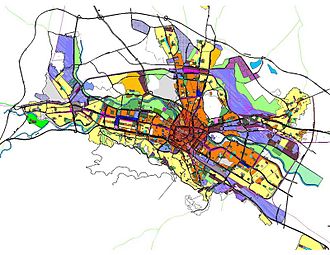
—°F Boise, ID
◈ Cross-Vertical Intelligence · Treasure Valley · Boise Standard

Dental ↔ relates to ↔ Vision Optical

22 Wikipedia bridge articles confirmed in both vertical ledgers. 241 deterministic cross-vertical edges. 6,761 external source links harvested. Every edge provenance-stamped. Every claim auditable.

22 QID Bridge Articles
241 Cross Edges
6,761 External Sources
274 Wikipedia Articles
24 🌲 Evergreen
172 🌿 Branch
HIGH SIGNAL · refinery-treasurevalley-v1.0.0
◈ Machine-Readable Schema
Deterministic Cross-Vertical Summary
PASS 2 · ZERO LLM
Entities Compared
Dental
× Vision Optical
QID Bridge Articles
22
confirmed Wikipedia overlap
Total Cross Edges
241
External Sources Harvested
6,761
from Wikipedia external links
Geography
Treasure Valley, Ada County, Canyon County, Idaho, United States
Gate Tier
high
Haiku FAQ generated
Strongest Edge
Idaho
score: 1.0000  ·  type: exact_title_cross  ·  32 shared tokens
QID Bridge Titles (20)
IdahoZoningElectronic health recordMedicaidDiabetesTelehealthCollege of Western IdahoFood and Drug AdministrationTreasure ValleyArtificial intelligence in healthcareHealth Insurance Portability and Accountability ActMedical imagingBoise, IdahoFranchisingPrivate equityAmericans with Disabilities Act of 1990Nampa, IdahoAda County, IdahoCaldwell, IdahoCanyon County, Idaho
Shared Semantics (20 tokens)
populationboiseidahohealthmedicalcapitalhealthcarepublicadametropolitancarepatientoregonproductstechnologywesterndevelopmentclinicalconditionsdata
Pipeline
refinery-treasurevalley-v1.0.0
Generated
2026-07-17 20:26:20 UTC
Content Hash
e41a82f3b42829a7
◈ Wikipedia Bridge Articles
QID Overlap — Confirmed in Both Vertical Ledgers
22 BRIDGES
Idaho
Q1221 EXACT TITLE 1.000
QID OVERLAP: Q1221 in dental (tier:evergreen) and vision_optical (tier:evergreen). | SHARED TOKENS (32): "approximately", "around", "boise", "capital", "contains", "distinct", "early", "geographic", "idaho", "isolated", "laboratory", "linked", "manufacturing", "national", "north", "official", "oregon", "organized", "population", "products".... | EXACT TITLE in dental: "Idaho". | EXACT TITLE in vision_optical: "Idaho".
approximatelyaroundboisecapitalcontainsdistinctearlygeographicidahoisolatedlaboratorylinkedmanufacturingnationalnorthofficialoregonorganizedpopulationproductssciencesectorseparatesignificantsmallsouthsuppliestechnologyuseswashington+2
ce of British Columbia. Idaho's state capital and largest city is Boise. With an area of 83,569 square miles (216,440 km2), Idaho is the 14th-largest state by land area. The state has a population of approximately two million people; it ranks as the 13th-least populous and the seventh-least densely populated of the 50 U.S. states. For thousands of years, and prior to European colonization, Idaho had been inhabited by natives. In the early 19th century, Idaho was considered part of the Oregon Country, an area which was disputed between the U.S. and the British Empire. Idaho officially became a U.S. territory with the signing of the Oregon Treaty of 1846, but a separate Idaho Territory was not organized until 1863, instead being included for periods in Oregon Territory and Washington Territory. The state was eventually admitted to the Union on July 3, 1890, becoming the 43rd state. Forming part of the Pacific Northwest (and the associated Cascadia bioregion), Idaho is divided into several distinct geographic and climatic regions. The state's north, the relatively isolated Idaho Panhandle, is closely linked with Eastern Washington, with which it shares the Pacific Time Zone—the rest of the state uses the Mountain Time Zone. The state's south includes the Snake River Plain (which has most of the population and agricultural land), and the southeast incorporates part of the Great Basin. Idaho is quite mountainous and contains several stretches of the Rocky Mountains. The United States Forest Service holds about 38% of Idaho's land, the highest proportion of any state. Industries significant for the state economy include manufacturing, agriculture, mining, forestry, science and technology, and tourism. Idaho has been a predominantly Republican state since statehood, with the Republican Party dominating in both state and national elections; abortion is severely restricted and the state retains the death penalty, including methods like the firing squad. The state contains the Idaho National Laboratory. Idaho's agricultural sector supplies many products, but the state is best known for its potato crop, which comprises around one-third of the nationwide yield.
Idaho's highest point is Borah Peak, 12,662 ft (3,859 m), in the Lost River Range north of Mackay. Idaho's lowest point, 710 ft (216 m), is in Lewiston, where the Clearwater River joins the Snake River and continues into Washington. The Sawtooth Range is often considered Idaho's most famous mountain range. Other mountain ranges in Idaho include the Bitterroot Range, the White Cloud Mountains, the Lost River Range, the Clearwater Mountains, and the Salmon River Mountains. Salmon-Challis National Forest is located in the east central sections of the state, with Salmon National Forest to the north and Challis National Forest to the south. The forest is in an area known as the Idaho Cobalt Belt, which consists of a 34 miles (55 km) long geological formation of sedimentary rock that contains some of the largest cobalt deposits in the U.S. Idaho has two time zones, with the dividing line approximately midway between Canada and Nevada. Southern Idaho, including the Boise metropolitan area, Idaho Falls, Pocatello, and Twin Falls, are in the Mountain Time Zone. A legislative error (15 U.S.C. ch. 6 §264) theoretically placed this region in the Central Time Zone, but this was corrected with a 2007 amendment.
g methods like the firing squad. The state contains the Idaho National Laboratory. Idaho's agricultural sector supplies many products, but the state is best known for its potato crop, which comprises around one-third of the nationwide yield. Its official state nickname is the "Gem State". Etymology In the early 1860s, when the U.S. Congress was considering organizing a new territory around Pikes Peak in the Rocky Mountains, the name "Idaho" was popular among the Congressional committee, as they believed it to be derived from a Shoshone term meaning "gem of the mountains." Realizing in January 1861 the name was quite possibly a fabrication and not Native American at all, the U.S. Congress ultimately decided to name the area Colorado Territory when it was created. But, by the time this decision was made in February 1861, the town of Idaho Springs, Colorado had already been named after their early frontrunner for a name, Idaho. In 1863, the Territory of Idaho was formed, though “Montana” was nearly its name. More than a decade after the name Idaho was first discussed for the eventual Colorado Territory, George M. Willing, a politician, claimed that he had been inspired by a little girl named Ida and that he coined the name in Washington at the time of the Congressional committee when he had been posing as an elected delegate to Congress. The same year Congress created Colorado Territory, a county called Idaho County was created in eastern Washington Territory. The county was named after a steamship named Idaho, which was launched on the Columbia River in 1860. It is unclear whether the steamship was named before or after the legitimacy of the Native American origins of “Idaho” came into question. Regardless, part of Washington Territory, including Idaho County, was used to create Idaho Territory in 1863. Idaho Territory would later change its boundaries to the area that became the U.S.
Zoning
Q702232 EXACT TITLE 1.000
QID OVERLAP: Q702232 in dental (tier:evergreen) and vision_optical (tier:evergreen). | SHARED TOKENS (27): "activities", "allowed", "building", "common", "defined", "development", "different", "form", "government", "growth", "guide", "guidelines", "land-use", "local", "planning", "policy", "procedure", "regulations", "regulatory", "residential".... | EXACT TITLE in dental: "Zoning". | EXACT TITLE in vision_optical: "Zoning".
activitiesallowedbuildingcommondefineddevelopmentdifferentformgovernmentgrowthguideguidelinesland-uselocalplanningpolicyprocedureregulationsregulatoryresidentialrulesscalesinglesystemsuseszonezoning
s", each of which has a set of regulations for new development that differs from other zones. Zones may be defined for a single use (e.g. residential, industrial), they may combine several compatible activities by use, or in the case of form-based zoning, the differing regulations may govern the density, size and shape of allowed buildings whatever their use. The planning rules for each zone determine whether planning permission for a given development may be granted. Zoning may specify a variety of outright and conditional uses of land. It may indicate the size and dimensions of lots that land may be subdivided into, or the form and scale of buildings. These guidelines are set in order to guide urban growth and development. Zoning is the most common regulatory urban planning method used by local governments in developed countries. Exceptions include the United Kingdom and the city of Houston, Texas.
History The origins of zoning districts can be traced back to antiquity. The ancient walled city was the predecessor for classifying and regulating land, based on use. Outside the city walls were the undesirable functions, which were usually based on noise and smell. The space between the walls is where unsanitary and dangerous activities occurred such as butchering, waste disposal, and brick-firing. Within the walls were civic and religious places, and where the majority of people lived. Beyond distinguishing between urban and non-urban land, most ancient cities further classified land types and uses inside their walls. This was practiced in many regions of the world – for example, in China during the Zhou Dynasty (1046 – 256 BC), in India during the Vedic Era (1500 – 500 BC), and in the military camps that spread throughout the Roman Empire (31 BC – 476 AD). Throughout the Age of Enlightenment and Industrial Revolution, cultural and socio-economic shifts led to the rapid increase in the enforcement and invention of urban regulations. The shifts were informed by a new scientific rationality, the advent of mass production and complex manufacturing, and the subsequent onset of urbanisation. Industry leaving the home reshaped modern cities. The definition of home was tied to the definition of economy, which caused a much greater mixing of uses within the residential quarters of cities. Separation between uses is a feature of many planned cities designed before the advent of zoning. A notable example is Adelaide in South Australia, whose city centre, along with the suburb of North Adelaide, is surrounded on all sides by a park, the Adelaide Park Lands. The park was designed by Colonel William Light in 1836 in order to physically separate the city centre from its suburbs. Low density residential areas surround the park, providing a pleasant walk between work in the city within and the family homes outside. Sir Ebenezer Howard, founder of the garden city movement, cited Adelaide as an example of how green open space could be used to prevent cities from expanding beyond their boundaries and coalescing. His design for an ideal city, published in his 1902 book Garden Cities of To-morrow, envisaged separate concentric rings of public buildings, parks, retail space, residential areas and industrial areas, all surrounded by open space and farmland. All retail activity was to be conducted within a single glass-roofed building, an early concept for the modern shopping centre inspired by the Crystal Palace. However, these planned or ideal cities were static designs embodied in a single masterplan. What was lacking was a regulatory mechanism to allow the city to develop over time, setting guidelines to developers and private citizens over what could be built where.
Mixed-use zoning combines residential, commercial, office, and public uses into a single space. Mixed-use zoning can be vertical, within a single building, or horizontal, involving multiple buildings. Planning and community activist Jane Jacobs wrote extensively on the connections between the separation of uses and the failure of urban renewal projects in New York City. She advocated dense mixed-use developments and walkable streets. In contrast to villages and towns, in which many residents know one another, and low-density outer suburbs that attract few visitors, cities and inner city areas have the problem of maintaining order between strangers. This order is maintained when, throughout the day and evening, there are sufficient people present with eyes on the street. This can be accomplished in successful urban districts that have a great diversity of uses, creating interest and attracting visitors. Jacobs' writings, along with increasing concerns about urban sprawl, are often credited with inspiring the New Urbanism movement. To accommodate the New Urbanist vision of walkable communities combining cafés, restaurants, offices and residential development in a single area, mixed-use zones have been created within some zoning systems. These still use the basic regulatory mechanisms of zoning, excluding incompatible uses such as heavy industry or sewage farms, while allowing compatible uses such as residential, commercial and retail activities so that people can live, work and socialise within a compact geographic area. The mixing of land uses is common throughout the world.
Electronic health record
Q10871684 EXACT TITLE 1.000
QID OVERLAP: Q10871684 in dental (tier:evergreen) and vision_optical (tier:branch). | SHARED TOKENS (42): "accurately", "age", "allows", "among", "billing", "care", "clinical", "clinicians", "collection", "combines", "conditions", "data", "designed", "different", "health", "healthcare", "history", "information", "laboratory", "means".... | EXACT TITLE in dental: "Electronic health record".
accuratelyageallowsamongbillingcareclinicalclinicianscollectioncombinesconditionsdatadesigneddifferenthealthhealthcarehistoryinformationlaboratorymeansmedicalmedicationmultipleneednetworksoutcomespatientpatientspopulationprivacy+12
s. EHR systems may also support improvements in quality of care through the use of data and analytics to help prevent hospitalizations among high-risk patients. EHR systems are designed to store data accurately and to capture a patient's state across time. It eliminates the need to track down a patient's previous paper medical records and assists in ensuring data is up-to-date, accurate, and legible. It also allows open communication between the patient and the provider while providing "privacy and security." EHR is cost-efficient, decreases the risk of lost paperwork, and can reduce risk of data replication as there is only one modifiable file, which means the file is more likely up to date. Due to the digital information being searchable and in a single file, EMRs (electronic medical records) are more effective when extracting medical data to examine possible trends and long-term changes in a patient.
ther information networks and exchanges. EHRs may include a range of data, including demographics, medical history, medication and allergies, immunization status, laboratory test results, radiology images, vital signs, personal statistics like age and weight, and billing information. For several decades, EHRs have been touted as key to increasing quality of care. EHR combines all patients' demographics into a large pool, which assists providers in the creation of "new treatments or innovation in healthcare delivery" to improve quality outcomes in healthcare. Combining multiple types of clinical data within electronic health records has enabled clinicians to identify and stratify patients with chronic conditions. EHR systems may also support improvements in quality of care through the use of data and analytics to help prevent hospitalizations among high-risk patients. EHR systems are designed to store data accurately and to capture a patient's state across time. It eliminates the need to track down a patient's previous paper medical records and assists in ensuring data is up-to-date, accurate, and legible. It also allows open communication between the patient and the provider while providing "privacy and security." EHR is cost-efficient, decreases the risk of lost paperwork, and can reduce risk of data replication as there is only one modifiable file, which means the file is more likely up to date. Due to the digital information being searchable and in a single file, EMRs (electronic medical records) are more effective when extracting medical data to examine possible trends and long-term changes in a patient.
Terminology The terms electronic health record (EHR), electronic patient record (EPR), and electronic medical record (EMR) have often been used interchangeably, but "subtle" differences exist. The EHR is a more longitudinal collection of the electronic health information of individual patients or populations. The EMR, in contrast, is the patient record created by providers for specific encounters in hospitals and ambulatory environments and can serve as a data source for an EHR. EMRs are essentially digital versions of the paper documents used in a clinician's office, typically functioning as an internal system within a practice. An EMR includes the medical and treatment history of patients treated by that specific practice. In contrast, a personal health record (PHR) is an electronic application for recording individual medical data that the individual patient controls and may make available to health providers. Comparison with paper-based records While there is ongoing debate regarding the advantages of electronic health records compared with paper records, the research literature presents a more nuanced view of their benefits and limitations. Increasing discontent and burnout among healthcare professionals is well documented as of 2023, with several studies finding that a leading cause of job frustration and increasing stress for most doctors and nurses is the increasing burden of increasingly complex record-keeping, paperwork, and administrative workloads.. Proponents of EHR note that these systems can substantially reduce such burdens, for example cutting time spent on insurance eligibility tasks by more than 80%. But along with increased convenience, transparency, portability, and accessibility, there is also an increased risk that sensitive information may be accessed by unauthorized persons or unscrupulous users (versus paper medical records). This is acknowledged by the increased security requirements for electronic medical records included in the Health Insurance Portability and Accountability Act (HIPAA) and by large-scale breaches in confidential records reported by EMR users. Meanwhile, handwritten paper medical records may be poorly legible, which can contribute to medical errors. Pre-printed forms, standardization of abbreviations, and standards for penmanship were encouraged to improve the reliability of paper medical records. An example of possible medical errors is the administration of medication. Medication is an intervention that can turn a person's status from stable to unstable very quickly. With paper documentation it is very easy to not properly document the administration of medication, the time given, or errors such as giving the "wrong drug, dose, form, or not checking for allergies," and could affect the patient negatively. It has been reported that these errors have been reduced by "55-83%" because records are now online and require specific steps to avoid these errors. Electronic records may help with the standardization of forms, terminology, and data input. Digitization of forms facilitates the collection of data for epidemiology and clinical studies. However, standardization may create challenges for local practice. Overall, those with EMRs that have automated notes and records, order entry, and clinical decision support had fewer complications, lower mortality rates, and lower costs. EMRs can be continuously updated (within certain legal limitations: see below). If the ability to exchange records between different EMR systems were perfected ("interoperability"), it would facilitate the coordination of health care delivery in non-affiliated health care facilities. In addition, data from an electronic system can be used anonymously for statistical reporting in matters such as quality improvement, resource management, and public health communicable disease surveillance.
Medicaid
Q1141363 EXACT TITLE 1.000
QID OVERLAP: Q1141363 in dental (tier:evergreen) and vision_optical (tier:evergreen). | SHARED TOKENS (45): "access", "adult", "adults", "amendments", "american", "annual", "benefits", "care", "children", "coverage", "eligibility", "established", "families", "federal", "financial", "funding", "general", "government", "health", "healthcare".... | EXACT TITLE in dental: "Medicaid". | EXACT TITLE in vision_optical: "Medicaid".
accessadultadultsamendmentsamericanannualbenefitscarechildrencoverageeligibilityestablishedfamiliesfederalfinancialfundinggeneralgovernmenthealthhealthcarehighhoursinsurancelowmaintainmedicaidmedicaloutcomesparticipateplans+15
Medicaid is the largest source of funding for medical and health-related services for people with low income in the United States, providing taxpayer-funded health insurance to 85 million low-income and disabled people as of 2022; in 2019, the program paid for half of all U.S. births. In 2023, the total (federal and state) annual cost of Medicaid was $870 billion, with an average cost per enrollee of $7,600 for 2021. 37% of enrollees were children, but they only accounted for 15% of the spending, ($3,000 per person) while seniors and disabled persons accounted for 21% of enrollees and 52% of spending (more than $18,000 per person). In general, Medicaid recipients must be U.S. citizens or qualified non-citizens, and may include low-income adults, their children, and people with certain disabilities. Medicaid also covers long-term services and supports, including both nursing home care and home- and community-based services, for those with low incomes and minimal assets. Of the 7.7 million Americans who used long-term services and supports in 2020, about 5.6 million were covered by Medicaid. Along with Medicare, Tricare, ChampVA, and CHIP, Medicaid is one of the several Federal Government-sponsored medical insurance programs in the United States. Medicaid covers healthcare costs for people with low incomes; Medicare is a universal program providing health coverage for the elderly; and the CHIP program covers uninsured children in families with incomes that are too high to be covered by Medicaid. Medicaid offers elder care benefits not normally covered by Medicare, including nursing home care and personal care services. There are also dual health plans for people who have both Medicaid and Medicare. Research shows that existence of the Medicaid program improves health outcomes, health insurance coverage, access to health care, and recipients' financial security and provides economic benefits to states and health providers.
2025 Medicaid cuts in the second Trump administration In 2025, Republican Congressional leaders John Thune and Mike Johnson announced goals of cutting 1.5 to 2 trillion dollars of the US federal budget, with President Donald Trump stating that cuts to Medicaid would only include "abuse or waste". The 2025 budget resolution, which was passed by the House of Representatives with only Republicans votes, proposed cutting $880 billion from the Standing Committee for Energy and Commerce, which includes many areas, such as Medicaid and Medicare. On July 4, 2025, President Donald Trump signed the One Big Beautiful Bill Act, intended in part to implement this resolution. The act cut Medicaid in a number of ways: while it did not repeal the ACA's Medicaid expansion, it mandated work requirements for able-bodied Medicaid recipients. It also requires Medicaid recipients above the federal poverty line to pay more fees for coverage; adds new verification requirements; increases the number of times states need to check the eligibility of their Medicaid expansion recipients; prohibits Medicaid from funding nonprofits that provide abortion care; makes it harder for illegal immigrants to use Medicaid; bans pharmacy benefit managers from using spread pricing; and puts limits on so-called "provider taxes" that states impose on healthcare providers to fund their portion of Medicaid spending. The non-partisan Congressional Budget Office (CBO) estimated that it will reduce the number of people on Medicaid by several million.; the CBO estimates that the work requirements in particular will lead 11 million to lose their Medicaid coverage, many of whom already work or qualify for exemptions but will not be able to get through the red tape. The bill prompted claims that undocumented immigrants are on Medicaid. Undocumented immigrants are already ineligible for full Medicaid benefits, and many undocumented immigrants access state-funded health programs rather than federal Medicaid. According to a CBO analysis, the bill's provisions could lead some states to cut back those state-funded health programs, potentially causing an estimated 1.4 million people to lose state-level health coverage, including undocumented immigrants. When commenting on the Trump administration's One Big Beautiful Bill Act and the impact of the Medicaid provisions on the economy, USDA Secretary Brooke Rollins stated that 34 million able-bodied adults on Medicaid should be working.
Arizona: AHCCCS California: Medi-Cal Connecticut: HUSKY D Illinois: HealthChoice Illinois Iowa: Hawk-i Healthy and Well-Kids in Iowa Maine: MaineCare Massachusetts: MassHealth New Jersey: NJ FamilyCare Oregon: Oregon Health Plan Oklahoma: Soonercare Tennessee: TennCare Washington: Washington Apple Health Wisconsin: BadgerCare As of January 2012, Medicaid and/or CHIP funds could be obtained to help pay employer health care premiums in Alabama, Alaska, Arizona, Colorado, Florida, and Georgia. Differences by state While states have significant autonomy in implementing the Medicaid program, their flexibility is bounded by federal requirements designed to ensure a baseline of coverage and access. For example, federal law mandates that certain services, such as inpatient and outpatient hospital services, laboratory and X-ray services, and physician services, must be covered by all state Medicaid programs. Additionally, states must adhere to federal guidelines regarding beneficiary protections and quality standards.
Diabetes
Q12206 EXACT TITLE 1.000
QID OVERLAP: Q12206 in dental (tier:evergreen) and vision_optical (tier:evergreen). | SHARED TOKENS (29): "adult", "adults", "beyond", "common", "commonly", "conditions", "diabetes", "disease", "earlier", "early", "estimated", "form", "group", "health", "healthcare", "high", "human", "major", "occurs", "population".... | EXACT TITLE in dental: "Diabetes". | EXACT TITLE in vision_optical: "Diabetes".
adultadultsbeyondcommoncommonlyconditionsdiabetesdiseaseearlierearlyestimatedformgrouphealthhealthcarehighhumanmajoroccurspopulationproductionrecentremainsspecificsystemtherapytogethertreatmentvision
00 million in 1990 to 828 million in 2024. Diabetes accounts for some two million deaths each year, and more than half of those affected are unaware of their condition. It affects one in seven of the adult human population, with type 2 diabetes accounting for more than 95% of cases. These numbers have already risen beyond earlier projections of 783 million adults by 2045. The prevalence of the disease continues to increase, most dramatically in low-middle income nations, where it is now the seventh leading cause of death. Rates are similar in women and men.
ondition. It affects one in seven of the adult human population, with type 2 diabetes accounting for more than 95% of cases. These numbers have already risen beyond earlier projections of 783 million adults by 2045. The prevalence of the disease continues to increase, most dramatically in low-middle income nations, where it is now the seventh leading cause of death. Rates are similar in women and men.
The major long-term complications of diabetes relate to damage to blood vessels at both macrovascular and microvascular levels. Diabetes doubles the risk of cardiovascular disease, and about 75% of deaths in people with diabetes are due to coronary artery disease. Other macrovascular morbidities include stroke and peripheral artery disease. Microvascular disease affects the eyes, kidneys, and nerves. Damage to the retina, known as diabetic retinopathy, is the most common cause of blindness in people of working age. The eyes can also be affected in other ways, including development of cataract and glaucoma. It is recommended that people with diabetes visit an optometrist or ophthalmologist once a year. Diabetic nephropathy is a major cause of chronic kidney disease, accounting for over 50% of patients on dialysis in the United States. Diabetic neuropathy, damage to nerves, manifests in various ways, including sensory loss, neuropathic pain, and autonomic dysfunction (such as postural hypotension, diarrhea, and erectile dysfunction). Loss of pain sensation predisposes to trauma that can lead to diabetic foot problems (such as ulceration), the most common cause of non-traumatic lower-limb amputation. Hearing loss is another long-term complication associated with diabetes. Based on extensive data and numerous cases of gallstone disease, it appears that a causal link might exist between type 2 diabetes and gallstones. People with diabetes are at a higher risk of developing gallstones compared to those without diabetes. There is a link between cognitive deficit and diabetes; studies have shown that diabetic individuals are at a greater risk of cognitive decline, and have a greater rate of decline compared to those without the disease. Diabetes increases the risk of dementia, and the earlier that one is diagnosed with diabetes, the higher the risk becomes.
Telehealth
Q46994 EXACT TITLE 1.000
QID OVERLAP: Q46994 in dental (tier:evergreen) and vision_optical (tier:evergreen). | SHARED TOKENS (51): "access", "administration", "application", "applications", "bridge", "care", "clinical", "clinicians", "combinations", "conditions", "data", "defines", "education", "even", "facilities", "feed", "funding", "health", "healthcare", "higher".... | EXACT TITLE in dental: "Telehealth". | EXACT TITLE in vision_optical: "Telehealth".
accessadministrationapplicationapplicationsbridgecareclinicalclinicianscombinationsconditionsdatadefineseducationevenfacilitiesfeedfundinghealthhealthcarehigherinformationmanagementmeansmedicalmedicinemeetingsmobilitymonitoringonlinepatient+21
t an intervening health care provider." When rural settings, lack of transport, a lack of mobility, conditions due to outbreaks, epidemics or pandemics, decreased funding, or a lack of staff restrict access to care, telemedicine may bridge the gap and can even improve retention in treatment as well as provide distance-learning; meetings, supervision, and presentations between practitioners; online information and health data management and healthcare system integration.
gration. EHealth encompasses a wide range of applications, including but not limited to the following: Two clinicians discussing a case via video conference; Robotic surgery performed through remote access; Physical therapy conducted using digital monitoring instruments, live feed, and application combinations; Diagnostic tests transferred between facilities for interpretation by a higher specialist; Home monitoring through continuous transmission of patient health data; Online consultations between patients and practitioners; Video remote interpretation services for clinical visits.
Telehealth versus telemedicine Telehealth is sometimes discussed interchangeably with telemedicine, the latter being more common than the former. Telehealth has been described as a disruptive innovation in healthcare because it enables medical services to be delivered remotely using communication technologies. The Health Resources and Services Administration distinguishes telehealth from telemedicine in its scope, defining telemedicine only as describing remote clinical services, such as diagnosis and monitoring, while telehealth includes preventative, promotive, and curative care delivery. This includes the above-mentioned non-clinical applications, like administration and provider education. The United States Department of Health and Human Services states that the term telehealth includes "non-clinical services, such as provider training, administrative meetings, and continuing medical education", and that the term telemedicine means "remote clinical services". The World Health Organization uses telemedicine to describe all aspects of health care including preventive care. The American Telemedicine Association uses the terms telemedicine and telehealth interchangeably, although it acknowledges that telehealth is sometimes used more broadly for remote health not involving active clinical treatments. eHealth is another related term, used particularly in the U.K. and Europe, as an umbrella term that includes telehealth, electronic medical records, and other components of health information technology. Methods and modalities Telehealth requires good Internet access by participants, usually in the form of a strong, reliable broadband connection, and broadband mobile communication technology of at least the fourth generation (4G) or long-term evolution (LTE) standard to overcome issues with video stability and bandwidth restrictions. As broadband infrastructure has improved, telehealth usage has become more widely feasible. Healthcare providers often begin telehealth with a needs assessment which assesses hardships that can be improved by telehealth such as travel time, costs or time off work. Collaborators such as technology companies can ease the transition. Delivery can come within four distinct domains: live video (synchronous), store-and-forward (asynchronous), remote patient monitoring, and mobile health. Audio-based telemedicine, primarily through telephone consultations, has been studied as a tool for managing chronic conditions.
College of Western Idaho
Q5146875 EXACT TITLE 1.000
QID OVERLAP: Q5146875 in dental (tier:evergreen) and vision_optical (tier:evergreen). | SHARED TOKENS (31): "academic", "ada", "adult", "board", "boise", "canyon", "classes", "college", "community", "comprehensive", "cwi", "development", "education", "idaho", "nampa", "north", "population", "primary", "programs", "public".... | EXACT TITLE in dental: "College of Western Idaho". | EXACT TITLE in vision_optical: "College of Western Idaho".
academicadaadultboardboisecanyonclassescollegecommunitycomprehensivecwidevelopmenteducationidahonampanorthpopulationprimaryprogramspublicreportedresidentssouthweststudentstudentstechnicaltransfertreasurevalleywestern+1
Southern Idaho and North Idaho College, in Idaho and is governed by a five-member board of trustees elected at large by voters in Ada and Canyon counties. CWI offers over 120 programs in the areas of Academic Transfer, Dual Credit, Career and Technical Education, Workforce Development, and Adult Education. In fall of 2023, CWI served 21,359 credit students and 14,951 noncredit students. CWI reported the gender of their students to be 55% female and 45% male.
History Prior to the creation of CWI, Boise was one of the largest metropolitan statistical areas in the United States without a community college. CWI was created on May 22, 2007, when voters of Canyon and Ada counties passed a measure to allow the formation of the new community college district. In June 2007, the Albertson Foundation announced it was donating $10 million to help found the college. In July 2007, the Idaho State Board of Education selected an initial five-member board of trustees. The following month Boise State University faculty member Dennis Griffin was named to a two-year term as the college's first president and CWI began offering academic classes on January 20, 2009, with an enrollment of over 1,100 students. In the summer of 2009 the professional-technical programs from Boise State University's Selland College of Applied Technology transitioned to CWI. By the fall 2009 semester, CWI enrollment had expanded to over 3,600 students. In January 2010, CWI applied for accreditation from the Northwest Commission on Colleges and Universities (NWCCU). NWCCU granted candidacy status at the associate degree level in 2012 and initial accreditation in 2016. President Griffin retired in August 2009 and was succeeded by Bert Glandon. After serving as president for 12 years, Glandon retired from CWI on May 15, 2021. The college's board of trustees named Denise Aberle-Cannata the interim president. CWI Board of Trustees extended an offer to Gordon Jones on Dec. 9, 2021 to be the next president at College of Western Idaho. Gordon Jones accepted the position of President at CWI and began his tenure as the third president in CWI's history on Jan.
Catchment area The college's catchment area includes all of the following counties: Ada, Adams, Boise, Canyon, Gem, Payette, Valley, and Washington. It also includes portions of Elmore and Owyhee counties. Ada and Canyon counties are the taxation zone for the college. Student life CWI has over 30 student clubs and organizations. Student clubs have been created with academic focus as well as special interests. Student groups range from art to physics, horticulture, psychology, Glee, Birdies and Bogies, a Veterans Association, and more. The Associated Students of the College of Western Idaho (ASCWI) serve as the voice of the student body. ASCWI is governed by five officers and eight senators elected by the student body each spring. CWI students participate in competitive, skills-based organizations like Business Professionals of America, SkillsUSA, and Speech and Debate. CWI students have found success at state, regional, and national levels in all three organizations. CWI Speech and Debate captured seven Pi Kappa Delta Community College National Championships in 2011, 2012, 2013, 2015, 2016, 2017, and 2018. Students have earned individual medals at national skills competitions as well. Students have the opportunity to engage on campus through the CWI Presidential Ambassador Program, which promotes leadership and connects students to campus and community events.
Food and Drug Administration
Q204711 EXACT TITLE 1.000
QID OVERLAP: Q204711 in dental (tier:branch) and vision_optical (tier:evergreen). | SHARED TOKENS (25): "administration", "agency", "authority", "control", "current", "department", "directly", "federal", "feed", "health", "human", "laboratories", "laboratory", "medical", "offices", "prescription", "primary", "products", "public", "regulated".... | EXACT TITLE in vision_optical: "Food and Drug Administration".
administrationagencyauthoritycontrolcurrentdepartmentdirectlyfederalfeedhealthhumanlaboratorieslaboratorymedicalofficesprescriptionprimaryproductspublicregulatedregulationsrelatedsupervisionuseswork
The Food and Drug Administration (FDA) is a federal agency of the United States Department of Health and Human Services (HHS). The FDA is responsible for protecting and promoting public health through the control and supervision of food safety, tobacco products, caffeine products, dietary supplements, prescription and over-the-counter pharmaceutical drugs (medications), vaccines, biopharmaceuticals, blood transfusions, medical devices, electromagnetic radiation emitting devices (ERED), cosmetics, animal foods & feed, and veterinary products. The FDA's primary focus is enforcing the Federal Food, Drug, and Cosmetic Act (FD&C). However, the agency also enforces other laws, notably Section 361 of the Public Health Service Act as well as associated regulations. Much of this regulatory-enforcement work is not directly related to food or drugs but involves other regulated products like lasers, cellular phones, and condoms. In addition, the FDA uses its authority to mitigate diseases in a variety of contexts, from household pets to human sperm for use in assisted reproduction. The FDA is led by the commissioner of food and drugs, who is appointed by the president with the advice and consent of the Senate. The commissioner reports to the secretary of health and human services. Marty Makary is the current commissioner. The FDA's headquarters is located in the White Oak area of Silver Spring, Maryland, occupying the former Naval Ordnance Laboratory. The agency has 223 field offices and 13 laboratories located across the 50 states, the United States Virgin Islands, and Puerto Rico. In 2008, the FDA began to post employees to foreign countries, including China, India, Costa Rica, Chile, Belgium, and the United Kingdom.
White Oak Federal Research Center Since 1990, the FDA has had employees and facilities on 130 acres (53 hectares) of the White Oak Federal Research Center in the White Oak area of Silver Spring, Maryland. In 2001, the General Services Administration (GSA) began new construction on the campus to consolidate the FDA's 25 existing operations in the Washington metropolitan area, its headquarters in Rockville, and several fragmented office buildings. The first building, the Life Sciences Laboratory, was dedicated and opened with 104 employees in December 2003. As of December 2018, the FDA campus has a population of 10,987 employees housed in approximately 3,800,000 square feet (350,000 square metres) of space, divided into ten offices and four laboratory buildings. The campus houses the Office of the Commissioner (OC), the Office of Regulatory Affairs (ORA), the Center for Drug Evaluation and Research (CDER), the Center for Devices and Radiological Health (CDRH), the Center for Biologics Evaluation and Research (CBER) and offices for the Center for Veterinary Medicine (CVM). With the passing of the FDA Reauthorization Act of 2017, the FDA projects a 64% increase in employees to 18,000 over the next 15 years and wants to add approximately 1,600,000 square feet (150,000 square metres) of office and special use space to their existing facilities.
Regulations The programs for safety regulation vary widely by the type of product, its potential risks, and the regulatory powers granted to the agency. For example, the FDA regulates almost every facet of prescription drugs, including testing, manufacturing, labeling, advertising, marketing, efficacy, and safety—yet FDA regulation of cosmetics focuses primarily on labeling and safety. The FDA regulates most products with a set of published standards enforced by a modest number of facility inspections. Inspection observations are documented on Form 483. In June 2018, the FDA released a statement regarding new guidelines to help food and drug manufacturers "implement protections against potential attacks on the U.S. food supply". One of the guidelines includes the Intentional Adulteration (IA) rule, which requires strategies and procedures by the food industry to reduce the risk of compromise in facilities and processes that are significantly vulnerable. The FDA also uses tactics of regulatory shaming, mainly through online publication of non-compliance, warning letters, and "shaming lists." Regulation by shaming harnesses firms' sensitivity to reputational damage. For example, in 2018, the agency published an online "black list", in which it named dozens of branded drug companies that are supposedly using unlawful or unethical means to attempt to impede competition from generic drug companies. The FDA frequently works with other federal agencies, including the Department of Agriculture, the Drug Enforcement Administration, Customs and Border Protection, and the Consumer Product Safety Commission.
Treasure Valley
Q7836726 EXACT TITLE 0.940
QID OVERLAP: Q7836726 in dental (tier:evergreen) and vision_optical (tier:evergreen). | SHARED TOKENS (12): "association", "boise", "idaho", "local", "metropolitan", "oregon", "region", "resources", "rural", "treasure", "valley", "western". | EXACT TITLE in dental: "Treasure Valley". | EXACT TITLE in vision_optical: "Treasure Valley".
associationboiseidaholocalmetropolitanoregonregionresourcesruraltreasurevalleywestern
ern Oregon to Boise, and is the most populated area in Idaho. Historically, the valley had been known as the Lower Snake River Valley or the Boise River Valley. Pete Olesen, president of the valley's association of local Chambers of Commerce, coined the name "Treasure Valley" in 1959 to reflect the treasure chest of resources and opportunities that the region offered. The valley has a very diverse terrain, from sage flatlands, to mesas, agricultural areas, and urbanized areas.
The Treasure Valley is a valley in the western United States, primarily in southwestern Idaho, where the Payette, Boise, Weiser, Malheur, and Owyhee rivers drain into the Snake River. It includes all the lowland areas from Vale in rural eastern Oregon to Boise, and is the most populated area in Idaho. Historically, the valley had been known as the Lower Snake River Valley or the Boise River Valley. Pete Olesen, president of the valley's association of local Chambers of Commerce, coined the name "Treasure Valley" in 1959 to reflect the treasure chest of resources and opportunities that the region offered. The valley has a very diverse terrain, from sage flatlands, to mesas, agricultural areas, and urbanized areas.
eflect the treasure chest of resources and opportunities that the region offered. The valley has a very diverse terrain, from sage flatlands, to mesas, agricultural areas, and urbanized areas. As the Boise Metropolitan Area grows, more and more undeveloped and agricultural land is being urbanized. History Settling the region The tribes that roamed the area, specifically, were the Northern Paiute and Shoshone. In 1834, Thomas McKay built the original Fort Boise, in the area near present-day Parma, which was run for a time by Francois Payette. It later was moved because of flooding troubles and was abandoned in 1854. The Oregon Trail runs through the Treasure Valley. The valley was settled for the most part by ranchers and farmers, initially to supply the gold and silver mining communities in the higher elevations nearby: Idaho City in the Boise Basin and Silver City in the Owyhees. A new Fort Boise was constructed by the U.S. Army in 1863 in present-day Boise, from which the city grew.
Artificial intelligence in healthcare
Q28324961 QID OVERLAP 0.800
QID OVERLAP: Q28324961 in dental (tier:evergreen) and vision_optical (tier:branch). | SHARED TOKENS (28): "among", "analysis", "application", "care", "clinical", "data", "development", "diagnosis", "disease", "examined", "health", "healthcare", "human", "jobs", "medical", "monitoring", "patient", "patients", "planning", "privacy"....
amonganalysisapplicationcareclinicaldatadevelopmentdiagnosisdiseaseexaminedhealthhealthcarehumanjobsmedicalmonitoringpatientpatientsplanningprivacypublicregulatoryrelatedsoftwaresupportsystemstechnicaltreatment
thical, technical, and regulatory concerns, including related to issues such as data privacy, automation of jobs, and amplifying already existing algorithmic bias. Studies have also examined concerns among patients, health professionals, and the public about trust and empathy in care involving AI. Applications in healthcare systems Disease diagnosis Accurate and early diagnosis of diseases is still a challenge in healthcare. Recognizing medical conditions and their symptoms is a complex problem. AI can assist clinicians with data processing capabilities to save time and improve accuracy. Through the use of machine learning, artificial intelligence can substantially aid doctors in patient diagnosis through the analysis of mass electronic health records (EHRs). AI can help early prediction, for example, of Alzheimer's disease and dementias, by looking through large numbers of similar cases and possible treatments. In 2023 a study reported higher satisfaction rates with ChatGPT-generated responses compared with those from physicians for medical questions posted on Reddit's r/AskDocs. Evaluators preferred ChatGPT's responses to physician responses in 78.6% of 585 evaluations, noting better quality and empathy. The authors noted that these were isolated questions taken from an online forum, not in the context of an established patient-physician relationship.
Oncology AI has been explored for use in cancer diagnosis, risk stratification, molecular characterization of tumors, and cancer drug discovery. A particular challenge in oncologic care that AI is being developed to address is the ability to accurately predict which treatment protocols will be best suited for each patient based on their individual genetic, molecular, and tumor-based characteristics. AI has been trialed in cancer diagnostics with the reading of imaging studies and pathology slides. In January 2020, Google DeepMind announced an algorithm capable of surpassing human experts in breast cancer detection in screening scans. A number of researchers, including Trevor Hastie, Joelle Pineau, and Robert Tibshirani among others, published a reply claiming that DeepMind's research publication in Nature lacked key details on methodology and code, "effectively undermin[ing] its scientific value" and making it impossible for the scientific community to confirm the work. In the MIT Technology Review, author Benjamin Haibe-Kains characterized DeepMind's work as "an advertisement" having little to do with science. In July 2020, it was reported that an AI algorithm developed by the University of Pittsburgh achieves the highest accuracy to date in identifying prostate cancer, with 98% sensitivity and 97% specificity.
Bias and discrimination Medical establishments can unfairly code algorithms to discriminate against minorities or rare disease and prioritize profits rather than providing optimal care, i.e. violating the ethical principle of social justice or non-maleficence. A recent scoping review identified 18 equity challenges along with 15 strategies that can be implemented to help address them when AI applications are developed using many-to-many mapping. There can be unintended bias in algorithms that can exacerbate social and healthcare inequities. AI produces output solely from the data it receives as input. The data it receives must have an accurate representation of patient demographics. For instance, if populations are less represented in healthcare data it is likely to create bias in AI tools that lead to incorrect assumptions of a demographic and impact the ability to provide appropriate care. White males are overly represented in medical data sets. Therefore, having minimal patient data on minorities can lead to AI making more accurate predictions for majority populations, leading to unintended worse medical outcomes for minority populations. Collecting data from minority communities can also lead to medical discrimination. For instance, HIV is a prevalent virus among minority communities and HIV status can be used to discriminate against patients. In addition to biases that may arise from sample selection, different clinical systems used to collect data may also impact AI functionality. For example, radiographic systems and their outcomes (e.g., resolution) vary by provider. Moreover, clinician work practices, such as the positioning of the patient for radiography, can also greatly influence the data and make comparability difficult. An additional source of algorithmic bias, which has been called "label choice bias", arises when proxy measures are used to train algorithms, that build in bias against certain groups. For example, a widely used algorithm predicted health care costs as a proxy for health care needs, and used predictions to allocate resources to help patients with complex health needs.
Health Insurance Portability and Accountability Act
Q606563 QID OVERLAP 0.800
QID OVERLAP: Q606563 in dental (tier:branch) and vision_optical (tier:branch). | SHARED TOKENS (33): "administrative", "care", "change", "concerning", "coverage", "entities", "families", "family", "federal", "generally", "governs", "group", "guidelines", "health", "healthcare", "information", "insurance", "jobs", "law", "maintained"....
administrativecarechangeconcerningcoverageentitiesfamiliesfamilyfederalgenerallygovernsgroupguidelineshealthhealthcareinformationinsurancejobslawmaintainedmedicalmembersnationalpatientpatientsplansprovidersprovisionsrequirerequires+3
ot employees of a covered entity. The act consists of five titles: Title I protects health insurance coverage for workers and their families if they change or lose their jobs. Title II, known as the Administrative Simplification (AS) provisions, requires the establishment of national standards for electronic health care transactions and national identifiers for providers, health insurance plans, and employers. Title III sets guidelines for pre-tax medical spending accounts. Title IV sets guidelines for group health plans. Title V governs company-owned life insurance policies.
Title I: Health Care Access, Portability, and Renewability Title I of HIPAA regulates the availability and breadth of group health plans and certain individual health insurance policies. It amended the Employee Retirement Income Security Act, the Public Health Service Act, and the Internal Revenue Code. Title I also addresses the issue of "job lock," where employees remain in a job to avoid losing health coverage. To combat the job lock issue, the Title protects health insurance coverage for workers and their families if they lose or change their jobs. Title I requires the coverage of and limits restrictions that a group health plan can place on benefits for preexisting conditions. Group health plans may refuse to provide benefits in relation to preexisting conditions for either 12 months following enrollment in the plan or 18 months in the case of late enrollment. Title I allows individuals to reduce the exclusion period by the amount of time they have had "creditable coverage" before enrolling in the plan and after any "significant breaks" in coverage. "Creditable coverage" includes nearly all group and individual health plans, Medicare, and Medicaid. A "significant break" in coverage is defined as any 63-day period without any creditable coverage. Along with an exception, it allows employers to tie premiums or co-payments to tobacco use or body mass index (BMI). Title I mandates that insurance providers issue policies without exclusions to individuals leaving group health plans, provided they have maintained continuous, creditable coverage (see above) exceeding 18 months, and renew individual policies for as long as they are offered or provide alternatives to discontinued plans for as long as the insurer stays in the market without exclusion regardless of health condition. Some health care plans are exempted from Title I requirements, such as long-term health plans and limited-scope plans like dental or vision plans offered separately from the general health plan. However, if such benefits are part of the general health plan, then HIPAA still applies to such benefits. For example, if the new plan offers dental benefits, then creditable continuous coverage under the old health plan must be counted towards any of its exclusion periods for dental benefits. An alternate method of calculating creditable continuous coverage is available to the health plan under Title I. 5 categories of health coverage can be considered separately, including dental and vision coverage. Anything not under those 5 categories must use the general calculation (e.g., the beneficiary may be counted with 18 months of general coverage but only 6 months of dental coverage because the beneficiary did not have a general health plan that covered dental until 6 months prior to the application date). Since limited-coverage plans are exempt from HIPAA requirements, the odd case exists in which the applicant to a general group health plan cannot obtain certificates of creditable continuous coverage for independent limited-scope plans, such as dental, to apply towards exclusion periods of the new plan that does include those coverages. Hidden exclusion periods are invalid under Title I. For example: ‘The accident must have occurred while the beneficiary was covered under this same health insurance contract. Such clauses must not be acted upon by the health plan. Also, they must be re-written to comply with HIPAA. Title II: Preventing Health Care Fraud and Abuse; Administrative Simplification; Medical Liability Reform Title II of HIPAA establishes policies and procedures for maintaining the privacy and the security of individually identifiable health information, outlines numerous offenses relating to health care, and establishes civil and criminal penalties for violations. It also creates several programs to control fraud and abuse within the health care system. The most significant provisions of Title II are the Administrative Simplification rules. Title II requires the Department of Health and Human Services (HHS) to increase the efficiency of the health-care system by creating standards for the use and dissemination of health care information. These rules apply to "covered entities" as defined by HIPAA and the HHS.
Title II of HIPAA establishes policies and procedures for maintaining the privacy and the security of individually identifiable health information, outlines numerous offenses relating to health care, and establishes civil and criminal penalties for violations. It also creates several programs to control fraud and abuse within the health care system. The most significant provisions of Title II are the Administrative Simplification rules. Title II requires the Department of Health and Human Services (HHS) to increase the efficiency of the health-care system by creating standards for the use and dissemination of health care information. These rules apply to "covered entities" as defined by HIPAA and the HHS.
Medical imaging
Q931309 QID OVERLAP 0.800
QID OVERLAP: Q931309 in dental (tier:branch) and vision_optical (tier:branch). | SHARED TOKENS (24): "analysis", "annual", "clinical", "creating", "data", "designed", "discipline", "disease", "equipment", "establishes", "forms", "function", "graph", "imaging", "integrated", "internal", "medical", "patient", "procedure", "procedures"....
analysisannualclinicalcreatingdatadesigneddisciplinediseaseequipmentestablishesformsfunctiongraphimagingintegratedinternalmedicalpatientprocedureproceduresprocessrepresentationstructurestechnology
Medical imaging is the technique and process of imaging the interior of a body for clinical analysis and medical intervention, as well as visual representation of the function of some organs or tissues (physiology). Medical imaging seeks to reveal internal structures hidden by the skin and bones, as well as to diagnose and treat disease. Medical imaging also establishes a database of normal anatomy and physiology to make it possible to identify abnormalities. Although imaging of removed organs and tissues can be performed for medical reasons, such procedures are usually considered part of pathology instead of medical imaging. Measurement and recording techniques that are not primarily designed to produce images, such as electroencephalography (EEG), magnetoencephalography (MEG), electrocardiography (ECG), and others, represent other technologies that produce data susceptible to representation as a parameter graph versus time or maps that contain data about the measurement locations.
Medical imaging in the cloud There has been growing trend to migrate from on-premise PACS to a cloud-based PACS, which can provide generative AI and other tools to improve diagnostic accuracy with greater fidelity and analysis, yet unresolved issues of bias and interpretation remain, as of 2025. Use in pharmaceutical clinical trials Medical imaging has become a major tool in clinical trials since it enables rapid diagnosis with visualization and quantitative assessment. A typical clinical trial goes through multiple phases and can take up to eight years. Clinical endpoints or outcomes are used to determine whether the therapy is safe and effective. Once a patient reaches the endpoint, he or she is generally excluded from further experimental interaction. Trials that rely solely on clinical endpoints are very costly as they have long durations and tend to need large numbers of patients. In contrast to clinical endpoints, surrogate endpoints have been shown to cut down the time required to confirm whether a drug has clinical benefits. Imaging biomarkers (a characteristic that is objectively measured by an imaging technique, which is used as an indicator of pharmacological response to a therapy) and surrogate endpoints have shown to facilitate the use of small group sizes, obtaining quick results with good statistical power. Imaging is able to reveal subtle change that is indicative of the progression of therapy that may be missed out by more subjective, traditional approaches. Statistical bias is reduced as the findings are evaluated without any direct patient contact. Imaging techniques such as positron emission tomography (PET) and magnetic resonance imaging (MRI) are routinely used in oncology and neuroscience areas. For example, measurement of tumour shrinkage is a commonly used surrogate endpoint in solid tumour response evaluation. This allows for faster and more objective assessment of the effects of anticancer drugs. In Alzheimer's disease, MRI scans of the entire brain can accurately assess the rate of hippocampal atrophy, while PET scans can measure the brain's metabolic activity by measuring regional glucose metabolism, and beta-amyloid plaques using tracers such as Pittsburgh compound B (PiB).
A realistic imaging protocol. The protocol is an outline that standardizes (as far as practically possible) the way in which the images are acquired using the various modalities (PET, SPECT, CT, MRI). It covers the specifics in which images are to be stored, processed and evaluated. An imaging centre that is responsible for collecting the images, perform quality control and provide tools for data storage, distribution and analysis. It is important for images acquired at different time points are displayed in a standardised format to maintain the reliability of the evaluation.
Boise, Idaho
Q35775 QID OVERLAP 0.800
QID OVERLAP: Q35775 in dental (tier:branch) and vision_optical (tier:branch). | SHARED TOKENS (17): "ada", "annual", "boise", "capital", "estimated", "idaho", "level", "locally", "major", "manufacturing", "metropolitan", "north", "oregon", "population", "technology", "treasure", "valley".
adaannualboisecapitalestimatedidaholevellocallymajormanufacturingmetropolitannorthoregonpopulationtechnologytreasurevalley
Boise (locally also ) is the capital and most populous city in the U.S. state of Idaho. It is the county seat of Ada County. The population of the city was 235,685 at the 2020 census. The Boise metropolitan area, located in the Treasure Valley, includes five counties of Idaho with an estimated population of 846,000, the most populous metropolitan area in Idaho and 95th-most populous in the United States. Located on the Boise River in southwestern Idaho, it is 41 miles (66 km) east of the Oregon border and 110 miles (177 km) north of the Nevada border. Downtown Boise's elevation is 2,704 feet (824 m) above sea level. Boise is home to major employers in the technology, manufacturing, and service sectors, including companies such as Micron Technology and Hewlett-Packard.
an area in Idaho and 95th-most populous in the United States. Located on the Boise River in southwestern Idaho, it is 41 miles (66 km) east of the Oregon border and 110 miles (177 km) north of the Nevada border. Downtown Boise's elevation is 2,704 feet (824 m) above sea level. Boise is home to major employers in the technology, manufacturing, and service sectors, including companies such as Micron Technology and Hewlett-Packard.
...that the military should continue killing Indians 'until the last Indian in the Territories was either on his reservation or enriched the sagebrush with his decaying carcass.' ...if the Indians refused to move there, 'they will be killed or put on the reservation by force, and certainly shot if they don't stay there.' Furthermore, the editor continues, 'The idea that the Indians have any right to the soil is ridiculous. ...They have no more rights to the soil of the Territories of the United States than wolves or coyotes...' This would be our plan of establishing friendship upon an eternal basis with our Indians: Let all the hostile bands of Idaho Territory be called in (they will not be caught in any other manner) to attend a grand treaty; plenty of blankets and nice little trinkets distributed among them; plenty of grub on hand; have a real jolly time with them; then just before the big feast put strychnine in their meat and poison to death the last mother's son of them. At the same time, native warriors around the valley, under the leadership of Howluck also known as "Bigfoot" among white settlers, among others, waged an escalating and intensified guerrilla campaign of harassment of passerby caravans along the Oregon Trail. The United States Army also escalated and intensified "punitive expeditions" against formations of warriors and against civilian communities as well. This marked the start of the "unofficial" Snake War in 1866. This war lasted until 1868, and is statistically the deadliest of the Indian Wars in the West in terms of casualties. In the end, 1,762 men were counted as the casualties of this war from both sides. In 1868, Fort Hall Indian Reservation was established in Southeastern Idaho, about 220 miles upstream, according to the terms of Fort Bridger Treaty. The Boise Valley Shoshone and Bannock Tribes were not party to this treaty. Nevertheless, in April 1869, the United States Military embarked on a campaign of "Removal, rounding up of natives in the region including in and around Boise, and expelling them with cavalry escort to Fort Hall Indian Reservation. This period is known among the Shoshone and Bannock people as Idaho's Trail of Tears. Some of the natives managed to escape, and they ran to either Duck Valley or Fort McDermitt in Nevada. Incorporation and growth Boise's early growth was significantly driven by its role in supplying the nearby gold towns that sprung up in the 1860s northeast and then southwest of the town. Miners sometimes wintered in Boise and a number of early prominent businessmen were miners who settled in town in the years after the gold rush waned. By 1864 substantial agricultural production was underway on easily irrigated lands near the river and three canal companies had been incorporated. Early transportation improvements were largely a result of toll road franchises awarded by the territorial legislature starting in the 1860s. These first ran from Fort Boise to the mining centers in the Boise Basin and east to Rocky Bar and to Rattlesnake Station where they connected to the Oregon Trail. Territorial census records from a special 1864 enumeration list the population of Boise as 1,658, and an act of December 12, 1864, was the first attempt by the Idaho Territorial Legislature to incorporate the city. This was rejected by voters the following March. Two more unsuccessful attempts were made to organize a city administration by election before the 1866 version of the city charter was approved by voters on January 6, 1868. The growing number of homes and businesses, for which owners wanted proper legal title, may have contributed to the eventual success of incorporation. All of these rejected efforts to incorporate the city came after Boise had been controversially made the state capital in 1864 over strong opposition from northern Idaho interests. This decision reflected the rapid shift of population growth from north to south after the discovery of gold in southern Idaho. By 1868 Boise had over 400 permanent buildings with a wide range of commercial services. 1868 also marked the formal beginning of a long advocacy for railroad connections to other Idaho communities and, just as importantly, to other growing cities in the west such as Portland, Oregon. Competing railroad and western state government interests frustrated these efforts for many years. Designed by Alfred B. Mullett, the U.S. Assay Office at 210 Main Street was built in 1871 and today is a National Historic Landmark. It first began accepting gold and silver for purchase on March 2, 1872, largely eliminating the need to transport ore to the mint in San Francisco. A territorial penitentiary, now known as the Old Idaho State Penitentiary, opened the same month several miles east of town. Mining continued to be important to Boise's economic growth and periodic booms contributed to population growth as well, though production of gold and silver probably peaked in the 1860s. 1882's gold and silver production of $3,500,000 declined to $1,488,315 (including lead) by 1899. Boise began to earn its City of Trees nickname in this period with a popular focus on a range of tree planting projects. Thomas J. Davis planted several thousand fruit trees in 1864 and several other early businessmen either founded nurseries or orchards of their own. In the 1870s tree planting began in earnest in downtown Boise led by prominent hotels as well as businessmen and residents. In 1907 Davis donated 43 acres of his orchard property to the city for use as a park in the name of his wife Julia. Commercial agriculture continued to expand, but was slowed by the lack of reliable rail links to regional and national markets and by a lack of large scale irrigation projects, which themselves were often tied to hoped-for railroad projects for financing. A.D. Foote, a successful mining engineer, drew up plans to irrigate up to 500,000 acres immediately south of Boise in 1882, but progress was halting and smaller farms were the norm until after the turn of the century with most located near to the river bottom where soil was productive and irrigation more easily achieved. Fruit orchards proliferated and sugar beets, still an important agricultural industry in Idaho, began to be widely cultivated in the 1890s. Cattle and sheep farming became increasingly important as the century closed. With the exception of dairy, most livestock products were exported from Idaho, unlike other agricultural products which were still largely scaled to support local markets. The timber industry also increasingly thrived in the Boise market in the 1880s and 1890s. Large quantities of timber were exported from elsewhere in Idaho, but a growing Boise supported the expansion of Alexander Rossi's sawmill, first established in 1865. Prominent early Boisean William Ridenbaugh had inherited control of the canal now bearing his name from his uncle William Morris in 1878 and later partnered with Rossi to expand the sawmill capacity under the name Rossi and Ridenbaugh Lumber Company. Their materials supported bridge building and the rapid expansion of Boise in the 1890s. As with many early infrastructure ventures, electrification succeeded only after at least one false start. July 4, 1887, marked the start of electrical transmission from a plant located on the Bench. William Ridenbaugh provided expertise and manpower for the water supply and several months were spent rigging poles and lines from the Bench to the service area across the river. Additional electrical supplies allowed the building of an electric streetcar line in 1891. This ran without interruption until buses replaced the lines in 1927, tracking—and sometimes driving—the development of Boise and nearby communities. This system expanded over several decades, reaching into the North End, South Boise and across the river on Front St. A loop line, completed in 1912, ran as far as Caldwell and Nampa, providing transport throughout the valley. Three early trolley companies merged in 1912 to form the Idaho Traction Company with a depot at 7th and Bannock Streets downtown. Additional services and urban amenities arrived in the 1890s as Boise grew. Exploratory drilling for hot water was successful in 1890 and by the end of the decade many homes along Warm Springs avenue were being heated by this source. A natatorium was built in 1892 close to the source of the hot water near the Idaho State Penitentiary. Churches serving several denominations, a Jewish synagogue, a major hardware store and department store, a Masonic hall, the Columbia Theater, Saint Alphonsus' Hospital, a number of parochial and secular schools, a City Hall and a new Union Pacific passenger station, constructed when service was finally extended to downtown, were all built during the 1890s. Falk's Department Store sponsored a semi-professional baseball team representing Boise from at least 1892 and the city supported other organized sports as they became popular.
Franchising
Q171947 QID OVERLAP 0.800
QID OVERLAP: Q171947 in dental (tier:branch) and vision_optical (tier:branch). | SHARED TOKENS (30): "brand", "business", "capital", "chain", "compared", "compete", "conditions", "direct", "expansion", "explicitly", "financial", "growth", "individual", "legal", "licenses", "licensing", "market", "means", "model", "practice"....
brandbusinesscapitalchaincomparedcompeteconditionsdirectexpansionexplicitlyfinancialgrowthindividuallegallicenseslicensingmarketmeansmodelpracticeproceduresproductsresearchreturnriskrulesmallspecificstrategysystem
ice where a company licenses its business model to another company. It can involve the franchisor licensing some or part of its knowhow, procedures, intellectual property and other rights to sell its branded products and services to a franchisee. In return, the franchisee pays certain fees and agrees to comply with certain obligations, typically set out in a franchise agreement. For the franchisor, use of a franchise system is an alternative business growth strategy, compared to expansion through corporate owned outlets or "chain stores". Adopting a franchise system is a business growth strategy that minimizes the franchisor's capital investment and liability risk. Franchising is rarely an equal partnership, especially in the typical arrangement where the franchisee is an individual, unincorporated partnership or small privately-held corporation, as this ensures the franchisor has substantial legal and/or economic advantages over the franchisee. The usual exception to this rule is when the prospective franchisee is also a powerful corporate entity controlling a highly lucrative location, and/or captive market. For example, a large sports stadium for which prospective franchisors must compete to exclude one another.
Rationale and risk shift Franchising is one of the few means available to access venture capital without the need to give up control of the operation of the chain and build a distribution system for servicing it. After the brand and formula are carefully designed and properly executed, franchisors are able to sell franchises and expand rapidly across countries and continents using the capital and resources of their franchisees while reducing their own risk. There is also risk for the people buying the franchises. However, failure rates are much lower for franchise businesses than independent business startups. Franchisor rules imposed by the franchising authority are becoming increasingly strict.
Advantages and disadvantages of franchising as an entry mode Franchising brings with it several advantages and disadvantages for firms looking to expand into new areas and foreign markets. The primary advantage is that the firm does not have to bear the development cost and risks of opening a foreign market on its own, as the franchisee is typically responsible for those costs and risks, putting the onus on them to build a profitable operation as quickly as possible. Through franchising, a firm has the potential of building a global presence quickly and also at a low cost and risk. For the franchisee, the primary advantages are access to a well-known brand, support in setting up the business using operating manuals, and ongoing operational support including access to suppliers and employee training. A primary disadvantage to franchising from the franchisor’s viewpoint is quality control, as the franchisor wants the firm's brand name to convey a message to consumers about the quality and consistency of the firm's product. They want the consumer to experience the same quality regardless of location or franchise status. This can prove to be an issue with franchising, as a customer who had a bad experience at one franchise may assume that they will have the same experience at other locations with other services. Distance can make it difficult for firms to detect whether or not the franchises are of poor quality. One way around this disadvantage is to set up extra subsidiaries in each country or state in which the firm expands.
P
Q476115 QID OVERLAP 0.800
QID OVERLAP: Q476115 in dental (tier:branch) and vision_optical (tier:branch). | SHARED TOKENS (24): "active", "business", "capital", "category", "control", "development", "expansion", "financial", "financing", "general", "management", "managing", "operational", "ownership", "partnerships", "private", "products", "provide", "public", "rather"....
activebusinesscapitalcategorycontroldevelopmentexpansionfinancialfinancinggeneralmanagementmanagingoperationalownershippartnershipsprivateproductsprovidepublicratherrolespecializedspecificstrategy
Private equity (PE) is stock in a private company that does not offer stock to the general public. Instead, it is offered to specialized investment funds and limited partnerships that take an active role in managing and structuring the companies. In colloquial usage, "private equity" can refer to these investment firms rather than the companies in which they invest. Private-equity capital is invested into a target company either by an investment management company (private equity firm), a venture capital fund, or an angel investor; each category of investor has specific financial goals, management preferences, and investment strategies for profiting from their investments. Private equity can provide working capital to finance a target company's expansion, including the development of new products and services, operational restructuring, management changes, and shifts in ownership and control. As a financial product, a private-equity fund is private capital for financing a long-term investment strategy in an illiquid business enterprise.
Leveraged buyout (LBO) refers to a strategy of making equity investments as part of a transaction in which a company, business unit, or business asset is acquired from the current shareholders typically with the use of financial leverage. The companies involved in these transactions are typically mature and generate operating cash flows. Private-equity firms view target companies as either Platform companies, which have sufficient scale and a successful business model to act as a stand-alone entity, or as add-on / tuck-in / bolt-on acquisitions, which would include companies with insufficient scale or other deficits. Leveraged buyouts involve a financial sponsor agreeing to an acquisition without itself committing all the capital required for the acquisition. To do this, the financial sponsor will raise acquisition debt, which looks to the cash flows of the acquisition target to make interest and principal payments. Acquisition debt in an LBO is often non-recourse to the financial sponsor and has no claim on other investments managed by the financial sponsor. Therefore, an LBO transaction's financial structure is particularly attractive to a fund's limited partners, allowing them the benefits of leverage, but limiting the degree of recourse of that leverage. This kind of financing structure leverage benefits an LBO's financial sponsor in two ways: (1) the investor only needs to provide a fraction of the capital for the acquisition, and (2) the returns to the investor will be enhanced, as long as the return on assets exceeds the cost of the debt. As a percentage of the purchase price for a leverage buyout target, the amount of debt used to finance a transaction varies according to the financial condition and history of the acquisition target, market conditions, the willingness of lenders to extend credit (both to the LBO's financial sponsors and the company to be acquired) and the interest costs and the ability of the company to cover those costs. Historically the debt portion of a LBO will range from 60 to 90% of the purchase price.
"Distressed-to-Control" ("Loan-to-Own") investment whereby the investor buys debt securities in hope of acquiring ownership and control of the company's equity after financing the corporate restructuring of the target company; "Special Situations" ("Turnaround") investment wherein the investor buys debt securities and equity investments, to be used as rescue financing that will restore the profitability of the financially-weak target company. Moreover, the private-equity investment strategies of hedge funds also include actively trading the loans held and the bonds issued by the financially-weak target companies. Secondaries Secondary investments refer to investments made in existing private-equity assets. These transactions can involve the sale of private equity fund interests or portfolios of direct investments in privately held companies through the purchase of these investments from existing institutional investors. By its nature, the private-equity asset class is illiquid, intended to be a long-term investment for buy and hold investors. Secondary investments allow institutional investors, particularly those new to the asset class, to invest in private equity from older vintages than would otherwise be available to them. Secondaries also typically experience a different cash flow profile, diminishing the j-curve effect of investing in new private-equity funds. Often investments in secondaries are made through third-party fund vehicle, structured similar to a fund of funds although many large institutional investors have purchased private-equity fund interests through secondary transactions.
Americans with Disabilities Act of 1990
QID OVERLAP 0.780
QID OVERLAP: Q1111004 in dental (tier:branch) and vision_optical (tier:branch). | SHARED TOKENS (14): "accessibility", "ada", "against", "business", "characteristics", "disability", "identity", "later", "law", "national", "provide", "public", "requirements", "requires".
accessibilityadaagainstbusinesscharacteristicsdisabilityidentitylaterlawnationalprovidepublicrequirementsrequires
ual orientation and gender identity. In addition, unlike the Civil Rights Act, the ADA also requires covered employers to provide reasonable accommodations to employees with disabilities, and imposes accessibility requirements on public accommodations. In 1986, the National Council on Disability had recommended the enactment of an Americans with Disabilities Act and drafted the first version of the bill which was introduced in the House and Senate in 1988. A broad bipartisan coalition of legislators supported the ADA, while the bill was opposed by business interests (who argued the bill imposed costs on business) and conservative evangelicals (who opposed protection for individuals with HIV). The final version of the bill was signed into law on July 26, 1990, by President George H. W. Bush. It was later amended in 2008 and signed by President George W.
Under Title III, no individual may be discriminated against on the basis of disability with regards to the full and equal enjoyment of the goods, services, facilities, or accommodations of any place of public accommodation by any person who owns, leases, or operates a place of public accommodation. Public accommodations include most places of lodging (such as inns and hotels), recreation, transportation, education, and dining, along with stores, care providers, and places of public displays. Under Title III of the ADA, all new construction (construction, modification or alterations) after the effective date of the ADA (approximately July 1992) must be fully compliant with the Americans With Disabilities Act Accessibility Guidelines (ADAAG) found in the Code of Federal Regulations at 28 C.F.R., Part 36, Appendix A. Title III also has applications to existing facilities. One of the definitions of "discrimination" under Title III of the ADA is a "failure to remove" architectural barriers in existing facilities. See 42 U.S.C. § 12182(b)(2)(A)(iv). This means that even facilities that have not been modified or altered in any way after the ADA was passed still have obligations. The standard is whether "removing barriers" (typically defined as bringing a condition into compliance with the ADAAG) is "readily achievable", defined as "...easily accomplished without much difficulty or expense". The statutory definition of "readily achievable" calls for a balancing test between the cost of the proposed alteration and the wherewithal of the business and/or owners of the business. Thus, what might be "readily achievable" for a sophisticated and financially capable corporation might not be readily achievable for a small or local business. There are exceptions to this title; many private clubs and religious organizations may not be bound by Title III. With regard to historic properties (those properties that are listed or that are eligible for listing in the National Register of Historic Places, or properties designated as historic under state or local law), those facilities must still comply with the provisions of Title III of the ADA to the "maximum extent feasible" but if following the usual standards would "threaten to destroy the historic significance of a feature of the building" then alternative standards may be used. Under 2010 revisions of Department of Justice regulations, newly constructed or altered swimming pools, wading pools, and spas must have an accessible means of entrance and exit to pools for disabled people. However, the requirement is conditioned on whether providing access through a fixed lift is "readily achievable". Other requirements exist, based on pool size, include providing a certain number of accessible means of entry and exit, which are outlined in Section 242 of the standards. However, businesses are free to consider the differences in the application of the rules depending on whether the pool is new or altered, or whether the swimming pool was in existence before the effective date of the new rule.
ADA Amendments Act, 2008 The ADA defines a covered disability as a physical or mental impairment that substantially limits one or more major life activities, a history of having such an impairment, or being regarded as having such an impairment. The Equal Employment Opportunity Commission (EEOC) was charged with interpreting the 1990 law with regard to discrimination in employment. The EEOC developed regulations limiting an individual's impairment to one that "severely or significantly restricts" a major life activity. The ADAAA directed the EEOC to amend its regulations and replace "severely or significantly" with "substantially limits", a more lenient standard. On September 25, 2008, President George W. Bush signed the ADA Amendments Act of 2008 (ADAAA) into law. The amendment broadened the definition of "disability", thereby extending the ADA's protections to a greater number of people. The ADAAA also added to the ADA examples of "major life activities" including, but not limited to, "caring for oneself, performing manual tasks, seeing, hearing, eating, sleeping, walking, standing, lifting, bending, speaking, breathing, learning, reading, concentrating, thinking, communicating, and working" as well as the operation of several specified "major bodily functions". The act overturned a 1999 US Supreme Court case that held that an employee was not disabled if the impairment could be corrected by mitigating measures; it specifically provides that such impairment must be determined without considering such ameliorative measures. It also overturned the court's finding that an impairment that substantially limits one major life activity must also limit others to be considered a disability. In 2008, the United States House Committee on Education and Labor stated that the amendment "makes it absolutely clear that the ADA is intended to provide broad coverage to protect anyone who faces discrimination on the basis of disability." Thus the ADAAA led to broader coverage of impaired employees. Web Content Accessibility Guidelines, 2019 In October 2019, the Supreme Court declined to resolve a circuit split as to whether websites are covered by the ADA. The Court turned down an appeal from Domino's Pizza and let stand a U.S.
Nampa, Idaho
Q622633 QID OVERLAP 0.760
QID OVERLAP: Q622633 in dental (tier:branch) and vision_optical (tier:branch). | SHARED TOKENS (13): "boise", "canyon", "college", "footprint", "idaho", "meridian", "metropolitan", "nampa", "population", "principal", "student", "university", "western".
boisecanyoncollegefootprintidahomeridianmetropolitannampapopulationprincipalstudentuniversitywestern
pa ( ) is the most populous city in Canyon County, Idaho, United States. The population was 100,200 at the 2020 census. It is Idaho's third-most populous city. Nampa is about 20 miles (32 km) west of Boise along Interstate 84, and 6 miles (9.7 km) west of Meridian. It is the second principal city of the Boise metropolitan area. The name "Nampa" may have come from a Shoshoni word meaning 'moccasin' or 'footprint'. According to toponymist William O. Bright, the name comes from the Shoshoni word /nampai/, meaning "foot".
History Nampa had its beginnings in the early 1880s when the Oregon Short Line Railroad built a line from Granger, Wyoming, to Huntington, Oregon, that passed through Nampa. In Nampa there is a history museum that marks the railroad's significance. More railroad lines sprang up through Nampa, making it an important railroad town. Alexander and Hannah Duffes established one of the town's first homesteads, eventually forming the Nampa Land and Improvement Company with the help of their friend and co-founder, James McGee. Despite the name, many early settlers called the town "New Jerusalem" because of its citizens' strong religious focus. After only a year the town grew from 15 homes to 50. As amenities were added, Nampa continued to grow, and it was incorporated in 1891. Downtown Nampa's street grid is oriented with the railroad tracks, which run northwest–southeast; this was done intentionally by Alexander Duffes to prevent accidents like one that occurred earlier in a town he had platted near Toronto, where a woman and her two children were killed by a train when their buggy wheel got stuck as they crossed the tracks. As the Oregon Short Line railroad originally bypassed Boise, Nampa has the fanciest of many railroad depots built in the area. Nampa gained attention in 1889 due to a purported archaeological discovery known as the Nampa figurine. George Frederick Wright wrote up details that year for the Boston Society of Natural History. The first elementary school was built in the 1890s. Lakeview School was on a hill on 6th Street and 12th Avenue North, with a view of Lake Ethel. Just after the school's centennial celebration, it was condemned as a school and sold to the First Mennonite Church. In 2008 the building was refurbished, and it is now used by the Idaho Arts Charter School. Lake Ethel, an irrigation reservoir, had long been the site of community picnics, and many citizens fished, swam, boated, and even hunted on it and its surrounding property. But the hunting didn't last long, as O. F. Persons, owner of the adjoining homestead, took offense when local hunters started shooting his pet ducks. The city later auctioned off the lake. E. H. Dewey (a former Nampa mayor) was the only bidder. But occasional flooding led to a series of lawsuits from neighbors. Dewey eventually drained Lake Ethel. Not long after, the city council became interested in buying back the Fritz Miller property as well as the Dewey home. Pressure had been building for more than four years. Nampa citizens wanted another park. On August 7, 1924, the city council passed an ordinance to purchase the Miller property and name it Lakeview Park. A bandstand was completed in 1928, and the municipal swimming pool opened on August 13, 1934. It is Nampa's largest park and many community celebrations are held there. Colonel William H. Dewey, a man who made a fortune mining in Silver City, built the Dewey Palace Hotel in 1902 for $250,000. He died in his hotel in 1903, leaving his son $1 million. The hotel survived the great fire of 1909, which burned several blocks of downtown Nampa, but was razed in 1963 after redevelopment plans failed. Relics from the hotel such as the chandelier and the hotel safe can be found at the Canyon County Historical Museum, which is in the old train depot on Front Street and Nampa City Hall. After demolition the location on First Street between 11th and 12th Ave. South was sold to private enterprise, including a bank and tire store, replacing this building with modern structures. A public-use postage stamp sized park was later placed across the street from the old palace property as a collaboration between the Downtown Alliance of Nampa (the local business council) and an Eagle Scout Project for the Boy Scouts of America. The park includes a large mural/wall sculpture of running horses commissioned for the project. A Carnegie library was built downtown in 1908; it burned down after the library moved in 1966. Nampa Public Library was then on the corner of 1st Street and 11th Avenue South in the old bank building. A new library, on 12th Avenue South, opened in 2015. Deer Flat Reservoir, an offstream irrigation storage reservoir, was constructed by the United States Bureau of Reclamation between 1906 and 1911. Known locally as Lake Lowell, it is surrounded by the Deer Flat National Wildlife Refuge, established in 1909 by President Theodore Roosevelt. The refuge is administered by the U.S. Fish and Wildlife Service. Lake Lowell is filled by the concrete New York Canal; the water is diverted from the Boise River a few miles below Lucky Peak Dam. In 1910, the Idaho State School and Hospital was built northwest of Nampa for the state's developmentally challenged population. It opened in 1918. The institution was largely self-sufficient, with a large farm staffed by the residents. The higher-functioning residents also cared for residents who could not care for themselves. The land for the farm was sold and is now golf courses (Centennial and Ridgecrest), and the residents no longer give primary care to other residents. The institution is modernized and remains in operation, though a few of the oldest buildings now house juvenile offenders. Nampa held an annual harvest festival and farmers' market from about 1908, a time of celebration and community fun. From this festival emerged the Snake River Stampede Rodeo in 1937, which continues to this day. It is one of the top 12 rodeos in the pro rodeo circuits. In 1913, a local congregation of the Church of the Nazarene built a small elementary school, which became to Northwest Nazarene College in 1915 and finally Northwest Nazarene University. As of 2025, the university has approximately 1,800 undergraduate and graduate students. Karcher Mall opened in 1965, the first enclosed shopping mall in the Treasure Valley. It was "the place to gather" for several decades until the Boise Towne Square mall was built in Boise in 1988, drawing business away. Karcher Mall was renamed District 208 in 2022. The Idaho Press-Tribune is the local newspaper for the Canyon County area.
Idaho Hispanic Community Center (IH2C) In 2003, the Hispanic Cultural Center of Idaho (HCCI) opened thanks to community support. It has recently transitioned back to the City of Nampa and was renamed the Idaho Hispanic Community Center (IH2C) and is home to the Idaho Hispanic Foundation. It hosts events, classes, and festivals, including Día de los Muertos, Hispanic Heritage Month, and Día Internacional de la Mujer. It serves as a meeting place for associations and groups. Displays of cultural history are available to the public. Nampa Train Depot Museum The Nampa Train Depot Museum is a historical depot with displays and archives of the area's railroad and cultural history. The Canyon County Historical Society saved the depot from demolition in 1972. Annual Festival of the Arts Nampa's Festival of the Arts, which began in 1987, is held in Lakeview Park every year and includes local art, music, dance, and food.
Ada County, Idaho
Q109820 QID OVERLAP 0.740
QID OVERLAP: Q109820 in dental (tier:branch) and vision_optical (tier:evergreen). | SHARED TOKENS (12): "ada", "boise", "capital", "district", "estimated", "idaho", "local", "metropolitan", "population", "private", "roads", "washington".
adaboisecapitaldistrictestimatedidaholocalmetropolitanpopulationprivateroadswashington
Ada County is located in the southwestern part of Idaho, United States. As of the 2020 census, the county had a population of 494,967, which by 2025 was estimated to have risen to 546,141. Ada County is by far the state's most populous county; it is home to 26.8% of the state's population. The county seat and largest city is Boise, which is also the state capital. Ada County is included in the Boise metropolitan area. The Ada County Highway District has jurisdiction over all the local county and city streets, except for private roads and state roads.
populous county; it is home to 26.8% of the state's population. The county seat and largest city is Boise, which is also the state capital. Ada County is included in the Boise metropolitan area. The Ada County Highway District has jurisdiction over all the local county and city streets, except for private roads and state roads.
ea. The Ada County Highway District has jurisdiction over all the local county and city streets, except for private roads and state roads. In the interior Pacific Northwest east of the Cascade Range, Ada County ranks second in population, behind Spokane County, Washington. History Ada County was created by the Idaho Territory legislature on December 22, 1864, partitioned from Boise County. It is named for Ada Riggs, the daughter of H. C. Riggs, a member of the legislature; he established the county and was a co-founder of Boise.
Caldwell, Idaho
Q849592 QID OVERLAP 0.700
QID OVERLAP: Q849592 in dental (tier:branch) and vision_optical (tier:branch). | SHARED TOKENS (10): "approximately", "boise", "caldwell", "canyon", "college", "idaho", "locally", "metropolitan", "oregon", "population".
approximatelyboisecaldwellcanyoncollegeidaholocallymetropolitanoregonpopulation
city in Idaho. As of the 2020 census, Caldwell had a population of 59,996. Caldwell is considered part of the Boise metropolitan area, and is the location of the College of Idaho. The city is located approximately 24 miles (39 km) west of Boise, and approximately 17 miles (27 km) east of the Oregon border. History The present-day location of Caldwell is along a natural passageway to the Inland and Pacific Northwest. Native American tribes from the west coast, north Idaho and as far away as Colorado came to the banks of the Boise River for annual trading fairs, or rendezvous. European and some Hawaiian explorers and traders soon followed the paths left by Native Americans and hopeful emigrants later forged the Oregon Trail and followed those paths to seek a better life in the Oregon Territory. Pioneers of the Trail traveled along the Boise River to Canyon Hill and forded the river close to the Silver Bridge on Plymouth Street. During the Civil War, the discovery of gold in Idaho's mountains brought a variety of new settlers into the area. Many never made it to the mines but settled along the Boise River and run ferries, stage stations, and freighting businesses. These early entrepreneurs created small ranches and farms in the river valleys. Caldwell's inception occurred largely as a result of the construction of the Oregon Short Line Railroad, which connected Wyoming to Oregon through Idaho. Robert E. Strahorn came to the Boise River Valley in 1883 to select a route for the railroad. He rejected the grade into Boise City as too steep and chose a site 30 miles to the west. He drove a stake into an alkali flat of sagebrush and greasewood and the City of Caldwell was platted. Caldwell was named after one of Strahorn's business partners, Alexander Caldwell, a former senator from Kansas. When Caldwell was platted in August 1883, its founder, the Idaho and Oregon Land Improvement Company, started persuading settlers and businessmen to move to the area. Within four months, Caldwell had 600 residents living in 150 dwellings, 40 businesses, a school, a telephone exchange, and two newspapers. On January 15, 1890, the Board of Commissioners of Ada County issued a handwritten order incorporating the City of Caldwell. The College of Idaho was founded in Caldwell in 1891. In 1892, Canyon County was established from a portion of Ada County, and Caldwell was named the county seat. Irrigation canals and waterways were constructed throughout Canyon County, providing the foundation for an agricultural economy. The Oregon Short Line Railroad became part of the larger Union Pacific Railroad network and in 1906 the Caldwell freight and passenger depot was constructed. Caldwell experienced moderate growth as an agricultural processing, commercial retail and educational center during the 20th century. In 2009, the City of Caldwell completed a revitalization project to restore Indian Creek, which runs through downtown Caldwell, but had been used for sewage disposal by local industries and been covered over.
History The present-day location of Caldwell is along a natural passageway to the Inland and Pacific Northwest. Native American tribes from the west coast, north Idaho and as far away as Colorado came to the banks of the Boise River for annual trading fairs, or rendezvous. European and some Hawaiian explorers and traders soon followed the paths left by Native Americans and hopeful emigrants later forged the Oregon Trail and followed those paths to seek a better life in the Oregon Territory. Pioneers of the Trail traveled along the Boise River to Canyon Hill and forded the river close to the Silver Bridge on Plymouth Street. During the Civil War, the discovery of gold in Idaho's mountains brought a variety of new settlers into the area. Many never made it to the mines but settled along the Boise River and run ferries, stage stations, and freighting businesses. These early entrepreneurs created small ranches and farms in the river valleys. Caldwell's inception occurred largely as a result of the construction of the Oregon Short Line Railroad, which connected Wyoming to Oregon through Idaho. Robert E. Strahorn came to the Boise River Valley in 1883 to select a route for the railroad. He rejected the grade into Boise City as too steep and chose a site 30 miles to the west. He drove a stake into an alkali flat of sagebrush and greasewood and the City of Caldwell was platted. Caldwell was named after one of Strahorn's business partners, Alexander Caldwell, a former senator from Kansas. When Caldwell was platted in August 1883, its founder, the Idaho and Oregon Land Improvement Company, started persuading settlers and businessmen to move to the area. Within four months, Caldwell had 600 residents living in 150 dwellings, 40 businesses, a school, a telephone exchange, and two newspapers. On January 15, 1890, the Board of Commissioners of Ada County issued a handwritten order incorporating the City of Caldwell. The College of Idaho was founded in Caldwell in 1891. In 1892, Canyon County was established from a portion of Ada County, and Caldwell was named the county seat. Irrigation canals and waterways were constructed throughout Canyon County, providing the foundation for an agricultural economy. The Oregon Short Line Railroad became part of the larger Union Pacific Railroad network and in 1906 the Caldwell freight and passenger depot was constructed. Caldwell experienced moderate growth as an agricultural processing, commercial retail and educational center during the 20th century. In 2009, the City of Caldwell completed a revitalization project to restore Indian Creek, which runs through downtown Caldwell, but had been used for sewage disposal by local industries and been covered over.
location of the College of Idaho. The city is located approximately 24 miles (39 km) west of Boise, and approximately 17 miles (27 km) east of the Oregon border. History The present-day location of Caldwell is along a natural passageway to the Inland and Pacific Northwest. Native American tribes from the west coast, north Idaho and as far away as Colorado came to the banks of the Boise River for annual trading fairs, or rendezvous. European and some Hawaiian explorers and traders soon followed the paths left by Native Americans and hopeful emigrants later forged the Oregon Trail and followed those paths to seek a better life in the Oregon Territory. Pioneers of the Trail traveled along the Boise River to Canyon Hill and forded the river close to the Silver Bridge on Plymouth Street. During the Civil War, the discovery of gold in Idaho's mountains brought a variety of new settlers into the area. Many never made it to the mines but settled along the Boise River and run ferries, stage stations, and freighting businesses. These early entrepreneurs created small ranches and farms in the river valleys. Caldwell's inception occurred largely as a result of the construction of the Oregon Short Line Railroad, which connected Wyoming to Oregon through Idaho. Robert E. Strahorn came to the Boise River Valley in 1883 to select a route for the railroad. He rejected the grade into Boise City as too steep and chose a site 30 miles to the west. He drove a stake into an alkali flat of sagebrush and greasewood and the City of Caldwell was platted. Caldwell was named after one of Strahorn's business partners, Alexander Caldwell, a former senator from Kansas. When Caldwell was platted in August 1883, its founder, the Idaho and Oregon Land Improvement Company, started persuading settlers and businessmen to move to the area. Within four months, Caldwell had 600 residents living in 150 dwellings, 40 businesses, a school, a telephone exchange, and two newspapers. On January 15, 1890, the Board of Commissioners of Ada County issued a handwritten order incorporating the City of Caldwell. The College of Idaho was founded in Caldwell in 1891. In 1892, Canyon County was established from a portion of Ada County, and Caldwell was named the county seat. Irrigation canals and waterways were constructed throughout Canyon County, providing the foundation for an agricultural economy. The Oregon Short Line Railroad became part of the larger Union Pacific Railroad network and in 1906 the Caldwell freight and passenger depot was constructed. Caldwell experienced moderate growth as an agricultural processing, commercial retail and educational center during the 20th century. In 2009, the City of Caldwell completed a revitalization project to restore Indian Creek, which runs through downtown Caldwell, but had been used for sewage disposal by local industries and been covered over.
Canyon County, Idaho
Q486078 QID OVERLAP 0.660
QID OVERLAP: Q486078 in dental (tier:branch) and vision_optical (tier:branch). | SHARED TOKENS (8): "boise", "caldwell", "canyon", "estimated", "idaho", "metropolitan", "nampa", "population".
boisecaldwellcanyonestimatedidahometropolitannampapopulation
105, which by 2025 was estimated to have risen to 275,123, making it the second-most populous county in Idaho. The county seat is Caldwell, and its largest city is Nampa. Canyon County is part of the Boise metropolitan area. History Hudson's Bay Company established Fort Boise in 1834 near what is now Parma, but abandoned it in 1855. Emigrants traveled through Canyon County on the Oregon Trail. Discovery of gold in the Boise Basin in 1862 brought settlement to the region again. The lower Boise River was fully contained within Boise County from 1863 until the formation of Ada County in 1864. Settlement of the lower Boise River west of Boise City was limited prior to the completion of the Oregon Short Line Railroad. Middleton was the first European settlement of Canyon County, starting in 1863. The 1870 Census for Ada County listed 76 residents of the Boise Valley, excluding Boise City and the 1880 Census listed 44 residents at Middleton. The arrival of the railroad at Caldwell led to the establishment of a town there as of August 1883. Businessmen James A. McGee and Alexander Duffes filed the plat for nearby Nampa in 1886. Parma was settled around the same time, with the Old Fort Boise post office being moved to the town's location; it was incorporated in 1904. Ada County established precincts for each of the settlements with a combined 1890 Census population of 2,311. Significant settlement of Greenleaf and Notus started around 1904 with the two settlements listed as precincts at the 1910 census. Notus was incorporated in 1921 while Greenleaf was incorporated prior to 1980. Melba was incorporated in 1912 while Wilder was incorporated in 1919. The City of Star annexed a portion of territory in northeast Canyon County prior to 2007, becoming the county's ninth incorporated city. The majority of Star is located within Ada County. The Idaho Legislature created Canyon County from Ada County in an act approved March 7, 1891, effective at the November 26, 1892, election. Caldwell was established as the county seat. The county originally contained all of Canyon and Payette counties and part of Gem; Gem County formed in 1915 and Payette County in 1917.
History Hudson's Bay Company established Fort Boise in 1834 near what is now Parma, but abandoned it in 1855. Emigrants traveled through Canyon County on the Oregon Trail. Discovery of gold in the Boise Basin in 1862 brought settlement to the region again. The lower Boise River was fully contained within Boise County from 1863 until the formation of Ada County in 1864. Settlement of the lower Boise River west of Boise City was limited prior to the completion of the Oregon Short Line Railroad. Middleton was the first European settlement of Canyon County, starting in 1863. The 1870 Census for Ada County listed 76 residents of the Boise Valley, excluding Boise City and the 1880 Census listed 44 residents at Middleton. The arrival of the railroad at Caldwell led to the establishment of a town there as of August 1883. Businessmen James A. McGee and Alexander Duffes filed the plat for nearby Nampa in 1886. Parma was settled around the same time, with the Old Fort Boise post office being moved to the town's location; it was incorporated in 1904. Ada County established precincts for each of the settlements with a combined 1890 Census population of 2,311. Significant settlement of Greenleaf and Notus started around 1904 with the two settlements listed as precincts at the 1910 census. Notus was incorporated in 1921 while Greenleaf was incorporated prior to 1980. Melba was incorporated in 1912 while Wilder was incorporated in 1919. The City of Star annexed a portion of territory in northeast Canyon County prior to 2007, becoming the county's ninth incorporated city. The majority of Star is located within Ada County. The Idaho Legislature created Canyon County from Ada County in an act approved March 7, 1891, effective at the November 26, 1892, election. Caldwell was established as the county seat. The county originally contained all of Canyon and Payette counties and part of Gem; Gem County formed in 1915 and Payette County in 1917.
2000 census As of the 2000 census, there were 131,441 people, 45,018 households and 33,943 families living in the county. The population density was 223 people per square mile (86 people/km2). There were 47,965 housing units at an average density of 81 units per square mile (31 units/km2). The racial makeup of the county was 83.10% White, 0.32% Black or African American, 0.85% Native American, 0.80% Asian, 0.13% Pacific Islander, 12.17% from other races, and 2.62% from two or more races. Hispanic or Latino of any race were 18.61% of the population. 15.9% were of German, 12.7% English, 10.3% American and 7.6% Irish ancestry. There were 45,018 households, of which 39.80% had children under the age of 18 living with them, 60.70% were married couples living together, 10.10% had a female householder with no husband present, and 24.60% were non-families. 19.80% of all households were made up of individuals, and 8.40% had someone living alone who was 65 years of age or older. The average household size was 2.85 and the average family size was 3.28. 30.90% of the population were under the age of 18, 10.70% from 18 to 24, 28.30% from 25 to 44, 19.10% from 45 to 64, and 11.00% who were 65 years of age or older. The median age was 30 years. For every 100 females, there were 98.70 males. For every 100 females age 18 and over, there were 96.30 males. The median household income was $35,884 and the median family income was $40,377. Males had a median income of $29,418 compared with $22,044 for females. The per capita income for the county was $15,155. About 8.70% of families and 12.00% of the population were below the poverty line, including 14.50% of those under age 18 and 10.70% of those age 65 or over. Communities Cities Unincorporated communities Bowmont Huston Roswell Sunnyslope Walters Ferry, Idaho Politics Like the majority of Idaho, Canyon County is reliably Republican by comfortable margins. The last time a Democratic candidate carried the county was in 1936 by Franklin D. Roosevelt.
Meridian, Idaho
Q1085274 QID OVERLAP 0.640
QID OVERLAP: Q1085274 in dental (tier:branch) and vision_optical (tier:branch). | SHARED TOKENS (7): "ada", "among", "boise", "capital", "idaho", "meridian", "population".
adaamongboisecapitalidahomeridianpopulation
Meridian is a city located in Ada County, Idaho, United States. The population was 117,635 at the 2020 census, making it the second most populous city in the county and Idaho, after Boise, the state capital.
Rail transportation (1908–28) Following the raising of $4,000 to lay the Interurban rail line from Onweiler (Meridian and Ustick Roads), the tracks were completed into the village center. Turning east on Broadway and ending at East Second, the last car would spend the night in Meridian before returning to Boise early the next morning with passengers and freight. The interurban Station and Generator building (west one-third of the old library at Meridian and Idaho Streets) was built in 1912, and the line continued on to Nampa via Meridian. The tracks down Broadway were not used after 1912. The Interurban Company entered into receivership and closed in 1928 after 20 years of providing continuous transportation to neighboring towns. It was Meridian's main connection to the area outside the local community. The Union Pacific Railroad spur opened in 1900 and is currently operated by the Boise Valley Railroad. Many industrial customers continue to ship forest, agricultural, and chemical products along this corridor. Creamery (1929–70) The city's official website describes the history of the Ada County Dairymen's cooperative creamery as follows:The lowest days of the Great Depression brightened for area dairymen when the Ada County Dairymen's cooperative creamery began operation in 1929. It provided milk checks to those who were members of the cooperative, enabling them to pay their taxes and provide food for their families. Other community members hauled milk to the creamery and were employed by the creamery, whose product was Challenge Butter. The creamery ran seven days a week for 40 years. Additions and improvements were made while the plant was in full operation. Later years saw the Wyeth Laboratories affiliate with the creamery to manufacture SMA baby formula.
Creamery (1929–70) The city's official website describes the history of the Ada County Dairymen's cooperative creamery as follows:The lowest days of the Great Depression brightened for area dairymen when the Ada County Dairymen's cooperative creamery began operation in 1929. It provided milk checks to those who were members of the cooperative, enabling them to pay their taxes and provide food for their families. Other community members hauled milk to the creamery and were employed by the creamery, whose product was Challenge Butter. The creamery ran seven days a week for 40 years. Additions and improvements were made while the plant was in full operation. Later years saw the Wyeth Laboratories affiliate with the creamery to manufacture SMA baby formula.
Eagle, Idaho
Q1516870 QID OVERLAP 0.600
QID OVERLAP: Q1516870 in dental (tier:branch) and vision_optical (tier:branch). | SHARED TOKENS (5): "ada", "boise", "eagle", "idaho", "population".
adaboiseeagleidahopopulation
Eagle is a city in Ada County, Idaho, ten miles (16 km) northwest of downtown Boise. The population was 30,346 at the 2020 census. History 19th century Eagle Island in Idaho was settled in 1863 by Truman Coe Catlin, who later shifted from crop farming to dairy farming, starting the island's dairy tradition. He also pioneered irrigation in the area by constructing a wide irrigation ditch. The most notable early community developer was Thomas Hugh Aiken, a Canadian surveyor, who helped establish the Eagle community in the 1870s.
Parks and recreation The city features numerous parks, including Arboretum Park, Friendship Park, Heritage Park, Orval Krasen Park, Reid W. Merrill Sr. Community Park, and Stephen C. Guerber Park, among others. The Parks and Recreation department offers youth sports leagues, camps, special events (such as Eagle Fun Days), and maintains extensive trails. Nearby Eagle Island State Park provides a swimming beach, trails, disc golf, and winter sports. Education Most of Eagle is in the West Ada School District, with a small portion in the Boise School District.
20th century The Eagle Fish Hatchery, established in the late 1940s in Idaho, was originally part of a trout program until the 1980s. In 1991, it was restructured to support the conservation of Snake River sockeye salmon, an endangered species listed that year. The hatchery's mission shifted to preserving the species and its genetic diversity through the development of eight broodstocks derived from smolts, anadromous adults, and residual populations.
◈ Cross-Vertical Edge Ledger
All Additional Edges — Deterministic Matching
219 EDGES
◈ ADDITIONAL CROSS EDGES · NON-OVERLAP219 edges
🌲 EVERGREEN2 edges
0.650
Optometry ↗ EXACT TITLE
academicadvancedcarecollegeconditionscontactdegreediseasehealthcarelicensedmanagementmedicalmedicinemonitoringparticipateperformpracticeprescribingprovideproviding
SHARED TOKENS (28): "academic", "advanced", "care", "college", "conditions", "contact", "degree", "disease", "healthcare", "licensed", "management", "medical", "medicine", "monitoring", "participate", "perform", "practice", "prescribing", "provide", "providing".... | URL->B (1): http://idaho.aoa.org/. | EXACT TITLE in vision_optical: "Optometry".
0.610
Vision therapy ↗ EXACT TITLE
americanaroundchildrenclaimclaimseducationalevidencemedicinepediatricssupporttherapytreatmentvision
SHARED TOKENS (13): "american", "around", "children", "claim", "claims", "educational", "evidence", "medicine", "pediatrics", "support", "therapy", "treatment", "vision". | URL->B (1): https://aapos.org/glossary/vision-therapy. | EXACT TITLE in vision_optical: "Vision therapy".
🌿 BRANCH172 edges
0.500
accreditationadaamericanassociationbasiccarecoveragecurrentdentalestablishedevenmembersnationalorganizationpopulationprofessionprofessionalprovidingpublishesrole
SHARED TOKENS (24): "accreditation", "ada", "american", "association", "basic", "care", "coverage", "current", "dental", "established", "even", "members", "national", "organization", "population", "profession", "professional", "providing", "publishes", "role".... | EXACT TITLE in dental: "American Dental Association".
0.500
adaamericanassociationclinicalcollegeconditionsdefinesdentaldiagnosisfunctionhealthpatientsplanningspecialtysurgeonstreatment
SHARED TOKENS (16): "ada", "american", "association", "clinical", "college", "conditions", "defines", "dental", "diagnosis", "function", "health", "patients", "planning", "specialty", "surgeons", "treatment". | EXACT TITLE in dental: "Prosthodontics".
0.500
administrationappliedbasebrandclinicallyconcentrationcontactcontainsdentalformhighhoursmarketperformpreparationproductsprofessionalpurposeremainreported
SHARED TOKENS (24): "administration", "applied", "base", "brand", "clinically", "concentration", "contact", "contains", "dental", "form", "high", "hours", "market", "perform", "preparation", "products", "professional", "purpose", "remain", "reported".... | EXACT TITLE in dental: "Fluoride varnish".
0.500
alliedcaredistinctemployedhealthmedicalmedicinephysicalpractitionersprimaryrelatedscopespecialistsspecialtystandardsteamstrainingtreatmentwork
SHARED TOKENS (19): "allied", "care", "distinct", "employed", "health", "medical", "medicine", "physical", "practitioners", "primary", "related", "scope", "specialists", "specialty", "standards", "teams", "training", "treatment", "work". | EXACT TITLE in vision_optical: "Sports medicine".
0.500
activitiescannotcentercontactfunctionfunctionalindependentindividualinjurylowmedicalmedicationperformphysicalprocessqualitysurgeryvision
SHARED TOKENS (18): "activities", "cannot", "center", "contact", "function", "functional", "independent", "individual", "injury", "low", "medical", "medication", "perform", "physical", "process", "quality", "surgery", "vision". | EXACT TITLE in vision_optical: "Vision rehabilitation".
0.500
Myopia ↗ Q168403 EXACT TITLE
adultsaffectamongchangechildrencommoncommonlycontactdiagnosisdifferentestimatedexaminationhigherinfectioninsideoutsideplacementpopulationproceduresprovide
SHARED TOKENS (25): "adults", "affect", "among", "change", "children", "common", "commonly", "contact", "diagnosis", "different", "estimated", "examination", "higher", "infection", "inside", "outside", "placement", "population", "procedures", "provide".... | EXACT TITLE in vision_optical: "Myopia".
0.500
Neonatology ↗ Q898674 EXACT TITLE
academicbasiccareclinicalclinicianscommonlyconditionsdecisionsdefineddevelopmentdisabilitydisciplinefamiliesgenerallymedicalmedicinemonitoringneedoutcomesparents
SHARED TOKENS (29): "academic", "basic", "care", "clinical", "clinicians", "commonly", "conditions", "decisions", "defined", "development", "disability", "discipline", "families", "generally", "medical", "medicine", "monitoring", "need", "outcomes", "parents".... | EXACT TITLE in vision_optical: "Neonatology".
0.500
accessallowsapplicationscarecentersdiabetesdiagnosisdiseaseequipmentexaminationshighermajormedicalmonitoringneedneedsonlinepatientsrequiringreview
SHARED TOKENS (26): "access", "allows", "applications", "care", "centers", "diabetes", "diagnosis", "disease", "equipment", "examinations", "higher", "major", "medical", "monitoring", "need", "needs", "online", "patients", "requiring", "review".... | EXACT TITLE in vision_optical: "Teleophthalmology".
0.500
absenceadultsageamongbenefitchildrencommonconditionsdegreediagnosisdirectlyeducationalfuturehealthimpactindividuallowmedicalorganizationscreening
SHARED TOKENS (24): "absence", "adults", "age", "among", "benefit", "children", "common", "conditions", "degree", "diagnosis", "directly", "educational", "future", "health", "impact", "individual", "low", "medical", "organization", "screening".... | EXACT TITLE in vision_optical: "Visual impairment".
0.500
adultadvancedassociatebasicboardbusinesscollegecommunitycomprehensivecreatedegreedesigneddistricteducationenrollmentgeneralhealthidahonorthoffice
SHARED TOKENS (34): "adult", "advanced", "associate", "basic", "board", "business", "college", "community", "comprehensive", "create", "degree", "designed", "district", "education", "enrollment", "general", "health", "idaho", "north", "office".... | EXACT TITLE in dental: "College of Eastern Idaho".
0.500
administrationauthoritycareclinicalconsultationdiseaseeducationfunctionhealthhealthcarehelpsmanagementmedicalmedicationmedicinepatientpediatricsphysicalpracticeprimary
SHARED TOKENS (28): "administration", "authority", "care", "clinical", "consultation", "disease", "education", "function", "health", "healthcare", "helps", "management", "medical", "medication", "medicine", "patient", "pediatrics", "physical", "practice", "primary".... | EXACT TITLE in vision_optical: "Physical therapy".
0.500
americanassociationdentaleducationexperienceformalgenerallymarketingpatientspositionspecialtyspecificthoughtrainingwork
SHARED TOKENS (15): "american", "association", "dental", "education", "experience", "formal", "generally", "marketing", "patients", "position", "specialty", "specific", "though", "training", "work". | EXACT TITLE in dental: "Cosmetic dentistry".
0.500
addressesbeginsbenefitscommondentaldiagnosisevidencegrowthhealthhighhighermanagementpatientsplanpositionqualityreportedrequiresmallerspecialty
SHARED TOKENS (22): "addresses", "begins", "benefits", "common", "dental", "diagnosis", "evidence", "growth", "health", "high", "higher", "management", "patients", "plan", "position", "quality", "reported", "require", "smaller", "specialty".... | EXACT TITLE in dental: "Orthodontics".
0.500
Glaucoma ↗ Q159701 EXACT TITLE
agecommonconditionsdifferentearlyemergencyessentialevenexaminationsfamilygrouphelpshistoryinformationinsidemaintainmajormedicalmedicationoccurs
SHARED TOKENS (28): "age", "common", "conditions", "different", "early", "emergency", "essential", "even", "examinations", "family", "group", "helps", "history", "information", "inside", "maintain", "major", "medical", "medication", "occurs".... | EXACT TITLE in vision_optical: "Glaucoma".
0.500
americanassociationcenterscompetedevelopmentdistrictdivisioninstitutionlaboratoriesmedicalnationalpublicresearchsciencespacesystemsteamsuniversitywashington
SHARED TOKENS (19): "american", "association", "centers", "compete", "development", "district", "division", "institution", "laboratories", "medical", "national", "public", "research", "science", "space", "systems", "teams", "university", "washington". | EXACT TITLE in vision_optical: "University of Washington".
0.500
agecentercommoncommonlydiagnosisemergencyimaginginformationinjuryinsidelayermedicalneededoccursrequiresrisksmallsurgerytreatmentvision
SHARED TOKENS (20): "age", "center", "common", "commonly", "diagnosis", "emergency", "imaging", "information", "injury", "inside", "layer", "medical", "needed", "occurs", "requires", "risk", "small", "surgery", "treatment", "vision". | EXACT TITLE in vision_optical: "Retinal detachment".
0.500
boardbrandscreateequipmentindexinsuranceintegratedleadershiplicensingmajormarketsownershipprescriptionrevenueverticallyvision
SHARED TOKENS (16): "board", "brands", "create", "equipment", "index", "insurance", "integrated", "leadership", "licensing", "major", "markets", "ownership", "prescription", "revenue", "vertically", "vision". | EXACT TITLE in vision_optical: "EssilorLuxottica".
0.500
basicclinicclinicalcompletiondegreedirecteducationexperiencegraduatehospitalindividuallaboratorylicensemedicalmedicineobtainphysicalpracticepracticesrequirement
SHARED TOKENS (29): "basic", "clinic", "clinical", "completion", "degree", "direct", "education", "experience", "graduate", "hospital", "individual", "laboratory", "license", "medical", "medicine", "obtain", "physical", "practice", "practices", "requirement".... | EXACT TITLE in dental: "Residency (medicine)". | EXACT TITLE in vision_optical: "Residency (medicine)".
0.500
Hypertension ↗ Q41861 EXACT TITLE
adultsarterialbenefitchildrencontroldefineddifferentdiseaseessentialhealthhighitselfmajormedicalmonitoringphysicalpopulationprimaryremainingreviews
SHARED TOKENS (23): "adults", "arterial", "benefit", "children", "control", "defined", "different", "disease", "essential", "health", "high", "itself", "major", "medical", "monitoring", "physical", "population", "primary", "remaining", "reviews".... | EXACT TITLE in vision_optical: "Hypertension".
0.500
approximatelyboisedatadistrictdistrictsevenfoundgovernmentidaholegislativelegislaturemembersnorthpopulationrepresentingresidentssinglesouthwashington
SHARED TOKENS (19): "approximately", "boise", "data", "district", "districts", "even", "found", "government", "idaho", "legislative", "legislature", "members", "north", "population", "representing", "residents", "single", "south", "washington". | EXACT TITLE in dental: "Idaho Legislature".
0.500
actionappointmentchildrencontactdefineddentalessentiallevelmaintainedmedicalobtainpatientpractitionerproceduresprofessionalsystemtreatment
SHARED TOKENS (17): "action", "appointment", "children", "contact", "defined", "dental", "essential", "level", "maintained", "medical", "obtain", "patient", "practitioner", "procedures", "professional", "system", "treatment". | EXACT TITLE in dental: "Sedation dentistry".
0.500
accessaccessibilityamongbasiccarechildcommoncommunitiescommunitycomprehensivecontroldesigneddevelopmentdifferentdisabilitydiseasedistributioneducationevenevolving
SHARED TOKENS (50): "access", "accessibility", "among", "basic", "care", "child", "common", "communities", "community", "comprehensive", "control", "designed", "development", "different", "disability", "disease", "distribution", "education", "even", "evolving".... | EXACT TITLE in dental: "Public health".
0.500
academicactivitiesalliedcareclinicalcommunitiesdefinesdisabilityearlyequipmentexperienceformformalfunctiongrouphealthhealthcarehelpsindependentlyinjury
SHARED TOKENS (40): "academic", "activities", "allied", "care", "clinical", "communities", "defines", "disability", "early", "equipment", "experience", "form", "formal", "function", "group", "health", "healthcare", "helps", "independently", "injury".... | EXACT TITLE in vision_optical: "Occupational therapy".
0.500
activitiesadministrativeappliedappliescannotcategoriesconditionscontrolcontrolscreatedesigndesignedequipmentframeworkhealthhumanindividualinfectioninjuryneeded
SHARED TOKENS (31): "activities", "administrative", "applied", "applies", "cannot", "categories", "conditions", "control", "controls", "create", "design", "designed", "equipment", "framework", "health", "human", "individual", "infection", "injury", "needed".... | EXACT TITLE in dental: "Personal protective equipment".
0.500
carecommonlycomprehensivedirectdiseaseexaminationexaminationsexternalfullfunctionhealthhistoryindividualmedicalnearpotentiallyprimaryvision
SHARED TOKENS (18): "care", "commonly", "comprehensive", "direct", "disease", "examination", "examinations", "external", "full", "function", "health", "history", "individual", "medical", "near", "potentially", "primary", "vision". | EXACT TITLE in vision_optical: "Eye examination".
0.500
Ophthalmology ↗ EXACT TITLE
academiccarecompletedegreediagnosisgraduationhistorymedicalmedicineneededparticipateperformprimaryprovideresearchresidencyschoolspecialtysurgerytherapy
SHARED TOKENS (23): "academic", "care", "complete", "degree", "diagnosis", "graduation", "history", "medical", "medicine", "needed", "participate", "perform", "primary", "provide", "research", "residency", "school", "specialty", "surgery", "therapy".... | EXACT TITLE in vision_optical: "Ophthalmology".
0.500
accessactivitiesadministrationagencyamericanannouncedassociationcapacitycenterscontroldepartmentdesigneddiabetesdisabilitydiseaseeducationalfederalgovernmenthealthhuman
SHARED TOKENS (39): "access", "activities", "administration", "agency", "american", "announced", "association", "capacity", "centers", "control", "department", "designed", "diabetes", "disability", "disease", "educational", "federal", "government", "health", "human".... | EXACT TITLE in dental: "Centers for Disease Control and Prevention".
0.500
Human eye ↗ Q430024 EXACT TITLE
approximatelyconnectioncontrolsfullfunctionshighhumanlowmaintainoutsideremainingrequiredsystemvisiblevision
SHARED TOKENS (15): "approximately", "connection", "controls", "full", "functions", "high", "human", "low", "maintain", "outside", "remaining", "required", "system", "visible", "vision". | EXACT TITLE in vision_optical: "Human eye".
0.500
accreditedapproximatelyboardcollegecommissioncommunitycomprehensiveearlyenrollmentidahonearnorthpublicshowstatusstudentstogetherwestern
SHARED TOKENS (18): "accredited", "approximately", "board", "college", "commission", "community", "comprehensive", "early", "enrollment", "idaho", "near", "north", "public", "show", "status", "students", "together", "western". | EXACT TITLE in dental: "North Idaho College".
0.500
Pregnancy ↗ Q11995 EXACT TITLE
ageapproximatelyaroundbeginscaredevelopmentdiabetesearlyexaminationsexperienceformfullgrowthhealthhighhigherinsidemedicalmultipleoccurs
SHARED TOKENS (28): "age", "approximately", "around", "begins", "care", "development", "diabetes", "early", "examinations", "experience", "form", "full", "growth", "health", "high", "higher", "inside", "medical", "multiple", "occurs".... | EXACT TITLE in dental: "Pregnancy".
0.500
Glasses ↗ Q37501 EXACT TITLE
againstaroundbridgeconditionscontactdirectlyequipmentevenformframesinformationinjurymaterialsprescriptionprimaryspecializedspecificsupporttiedvisible
SHARED TOKENS (21): "against", "around", "bridge", "conditions", "contact", "directly", "equipment", "even", "form", "frames", "information", "injury", "materials", "prescription", "primary", "specialized", "specific", "support", "tied", "visible".... | EXACT TITLE in vision_optical: "Glasses".
0.500
Tooth decay ↗ Q133772 EXACT TITLE
adultsamongapproximatelyaroundavailabilitychildrencommonconditionscurrentdentaldiabetesdifferentdiseaseearlierformationfunctionhealthhighinfectionmanagement
SHARED TOKENS (34): "adults", "among", "approximately", "around", "availability", "children", "common", "conditions", "current", "dental", "diabetes", "different", "disease", "earlier", "formation", "function", "health", "high", "infection", "management".... | EXACT TITLE in dental: "Tooth decay".
0.500
alliedanesthesiaappliedassistantcarecompletedegreedemanddepartmentdutiesgeneralhealthmembersmoveneedneedsoperatingperformpossesspractice
SHARED TOKENS (36): "allied", "anesthesia", "applied", "assistant", "care", "complete", "degree", "demand", "department", "duties", "general", "health", "members", "move", "need", "needs", "operating", "perform", "possess", "practice".... | EXACT TITLE in vision_optical: "Surgical technologist".
0.500
academicactivitiesadultageagenciesbeyondcollegecontinuingdegreedevelopmentdifferentdivisioneducationfeedformalformsfrequentlygeneralgovernmentinstitutional
SHARED TOKENS (37): "academic", "activities", "adult", "age", "agencies", "beyond", "college", "continuing", "degree", "development", "different", "division", "education", "feed", "formal", "forms", "frequently", "general", "government", "institutional".... | EXACT TITLE in dental: "Continuing education". | EXACT TITLE in vision_optical: "Continuing education".
0.500
Dentistry ↗ Q12128 EXACT TITLE
accreditedaffectcarecommonlyconditionsdegreedentaldevelopmentdiabetesdiagnosisdiseaseevidenceevidence-basedguidehistoryhospitalsinstitutionsmanagementmedicalmedicine
SHARED TOKENS (34): "accredited", "affect", "care", "commonly", "conditions", "degree", "dental", "development", "diabetes", "diagnosis", "disease", "evidence", "evidence-based", "guide", "history", "hospitals", "institutions", "management", "medical", "medicine".... | EXACT TITLE in dental: "Dentistry".
0.500
accessibilityagenciesagencyamericanconditionscurrentdatadepartmentessentialfamiliesfederalgovernmenthighlaborlocalmaintainmajormanagementneedoffice
SHARED TOKENS (27): "accessibility", "agencies", "agency", "american", "conditions", "current", "data", "department", "essential", "families", "federal", "government", "high", "labor", "local", "maintain", "major", "management", "need", "office".... | EXACT TITLE in vision_optical: "Bureau of Labor Statistics".
0.500
accessadultsagainstallowedamericanassociationcarechildrencommissioncompetitiondentaldependenteducationfederalguidelineshealthmedicaloperateoutcomespractice
SHARED TOKENS (28): "access", "adults", "against", "allowed", "american", "association", "care", "children", "commission", "competition", "dental", "dependent", "education", "federal", "guidelines", "health", "medical", "operate", "outcomes", "practice".... | EXACT TITLE in dental: "Dental therapist".
0.500
amongaroundauthoritybasicclinicalcollegecompetitivecompletiondegreedirectoryeducationeducationalemergingexaminationsformsgeneralgovernmentgraduatehospitalsinstitution
SHARED TOKENS (49): "among", "around", "authority", "basic", "clinical", "college", "competitive", "completion", "degree", "directory", "education", "educational", "emerging", "examinations", "forms", "general", "government", "graduate", "hospitals", "institution".... | EXACT TITLE in vision_optical: "Medical school".
0.500
Primary care ↗ EXACT TITLE
assistantcareclinicalcommonlycontactcontinuingfamilygeneralhealthhealthcaremedicinepatientpatientsphysicalpractitionerprimaryprincipalprofessionalproviderrequire
SHARED TOKENS (21): "assistant", "care", "clinical", "commonly", "contact", "continuing", "family", "general", "health", "healthcare", "medicine", "patient", "patients", "physical", "practitioner", "primary", "principal", "professional", "provider", "require".... | EXACT TITLE in vision_optical: "Primary care".
0.500
absenceactivitiesagencyassistanceboardcareclassificationcompletecontrolcoveragecurrentdatadefiningdevelopmentdiseasedutieseligibleestablishedfinancialfunctions
SHARED TOKENS (55): "absence", "activities", "agency", "assistance", "board", "care", "classification", "complete", "control", "coverage", "current", "data", "defining", "development", "disease", "duties", "eligible", "established", "financial", "functions".... | EXACT TITLE in vision_optical: "World Health Organization".
0.500
accreditedadministrativealliedassistantcarecertifiedclinicclinicalcoveringdefineddutiesgrouphealthhealthcarelicensedmedicalmedicineoccupationalofficeperform
SHARED TOKENS (28): "accredited", "administrative", "allied", "assistant", "care", "certified", "clinic", "clinical", "covering", "defined", "duties", "group", "health", "healthcare", "licensed", "medical", "medicine", "occupational", "office", "perform".... | EXACT TITLE in vision_optical: "Medical assistant".
0.500
adultsadvancedaffectagearoundclinicalconditionsdegreedemonstratedentaldevelopmentdiabetesdiagnosisdiseaseearlyestimatedfamilyformgenerallyhealth
SHARED TOKENS (30): "adults", "advanced", "affect", "age", "around", "clinical", "conditions", "degree", "demonstrate", "dental", "development", "diabetes", "diagnosis", "disease", "early", "estimated", "family", "form", "generally", "health".... | EXACT TITLE in dental: "Periodontal disease".
0.500
adjacentaffectassociationbridgecannotcomponentdentaldependsestablishedfederalformfullfunctionguideshealthinfectioninjurylawlicensematerials
SHARED TOKENS (43): "adjacent", "affect", "association", "bridge", "cannot", "component", "dental", "depends", "established", "federal", "form", "full", "function", "guides", "health", "infection", "injury", "law", "license", "materials".... | EXACT TITLE in dental: "Dental implant".
0.500
accessamongcarecommunitiescomparedcoveragedesigneddiabetesdiseaseeducationexperiencefundinghealthhealthcarehigherinfrastructureinsurancemedicineneedsoutcomes
SHARED TOKENS (30): "access", "among", "care", "communities", "compared", "coverage", "designed", "diabetes", "disease", "education", "experience", "funding", "health", "healthcare", "higher", "infrastructure", "insurance", "medicine", "needs", "outcomes".... | EXACT TITLE in dental: "Rural health". | EXACT TITLE in vision_optical: "Rural health".
0.500
amongboisebusinesscollegecompetedivisioneducationgraduatehealthhighidahoindependentinstitutionprogramprogramspublicreportedresearchschoolteams
SHARED TOKENS (21): "among", "boise", "business", "college", "compete", "division", "education", "graduate", "health", "high", "idaho", "independent", "institution", "program", "programs", "public", "reported", "research", "school", "teams".... | EXACT TITLE in dental: "Boise State University".
0.500
Concussion ↗ Q326921 EXACT TITLE
activitiesadultsaffectamongchildrencommoncommonlyconcentrationconditionscontactdefinitiondirectdisabilitydiseaseelsewhereestimatedevidencegenerallyhistoryhours
SHARED TOKENS (51): "activities", "adults", "affect", "among", "children", "common", "commonly", "concentration", "conditions", "contact", "definition", "direct", "disability", "disease", "elsewhere", "estimated", "evidence", "generally", "history", "hours".... | EXACT TITLE in vision_optical: "Concussion".
0.500
administeredadministrationageallowsannualbenefitbenefitscarecentersdifferentdiseasefederalgovernmentgrouphealthhealthcarehospitalinsurancemedicaidolder
SHARED TOKENS (32): "administered", "administration", "age", "allows", "annual", "benefit", "benefits", "care", "centers", "different", "disease", "federal", "government", "group", "health", "healthcare", "hospital", "insurance", "medicaid", "older".... | EXACT TITLE in vision_optical: "Medicare (United States)".
0.500
Neurology ↗ Q83042 EXACT TITLE
basiccategoriesclinicalconditionsdiagnosisdiseaseinjurymedicalmedicinemultiplepracticeresearchspecialtystudysystemtrainedtreatment
SHARED TOKENS (17): "basic", "categories", "clinical", "conditions", "diagnosis", "disease", "injury", "medical", "medicine", "multiple", "practice", "research", "specialty", "study", "system", "trained", "treatment". | EXACT TITLE in vision_optical: "Neurology".
0.500
accessibleamericanassessmentassociationcarechildchildrencollegecomprehensivecounselingdentaldevelopmentearlyeducationalessentialestablishexaminationgrowthhealthinformation
SHARED TOKENS (35): "accessible", "american", "assessment", "association", "care", "child", "children", "college", "comprehensive", "counseling", "dental", "development", "early", "educational", "essential", "establish", "examination", "growth", "health", "information".... | EXACT TITLE in dental: "Pediatric dentistry".
0.500
Aerosol ↗ Q104541 EXACT TITLE
affectaloneapproximatelyaroundcloudconsumerformformationformshealthhighhumanlanguagelargermaterialmeansmedicalregulationssignificantsmall
SHARED TOKENS (25): "affect", "alone", "approximately", "around", "cloud", "consumer", "form", "formation", "forms", "health", "high", "human", "language", "larger", "material", "means", "medical", "regulations", "significant", "small".... | EXACT TITLE in dental: "Aerosol".
0.500
accuratelyadultsageamongcannotchangechildrencommoncommonlycontactdiagnosisestimatedexaminationinfectionparentsproviderisksurgeryvisionwhose
SHARED TOKENS (20): "accurately", "adults", "age", "among", "cannot", "change", "children", "common", "commonly", "contact", "diagnosis", "estimated", "examination", "infection", "parents", "provide", "risk", "surgery", "vision", "whose". | EXACT TITLE in vision_optical: "Refractive error".
0.500
accessagenciesboardcarecentercenterscertificationclinicclinicalclinicscommunitiescommunitycomponentcomprehensiveconsumercoveragedefineddefiningdiabetesfacilities
SHARED TOKENS (49): "access", "agencies", "board", "care", "center", "centers", "certification", "clinic", "clinical", "clinics", "communities", "community", "component", "comprehensive", "consumer", "coverage", "defined", "defining", "diabetes", "facilities".... | EXACT TITLE in dental: "Federally Qualified Health Center".
0.500
Pediatrics ↗ Q123028 EXACT TITLE
adultsageamericancarecenterschildchildrenclinicscoveragegeneralhospitalsinsurancemedicalmedicineparentspatientspediatricpediatricspracticerequires
SHARED TOKENS (23): "adults", "age", "american", "care", "centers", "child", "children", "clinics", "coverage", "general", "hospitals", "insurance", "medical", "medicine", "parents", "patients", "pediatric", "pediatrics", "practice", "requires".... | EXACT TITLE in dental: "Pediatrics". | EXACT TITLE in vision_optical: "Pediatrics".
0.500
administrationagencyassistanceconditionsdecemberdepartmenteducationemploymentestablishedfederalhealthinjurylaborlawmissionoccupationalpowersprovidingregulationsregulatory
SHARED TOKENS (23): "administration", "agency", "assistance", "conditions", "december", "department", "education", "employment", "established", "federal", "health", "injury", "labor", "law", "mission", "occupational", "powers", "providing", "regulations", "regulatory".... | EXACT TITLE in dental: "Occupational Safety and Health Administration".
0.500
advertisinganalysisapplicationsbuildingcreatecreatingdesigndesigneddocumentationevenforminformationmajormanufacturingmaterialsmeansoperationsprocessproductsquality
SHARED TOKENS (27): "advertising", "analysis", "applications", "building", "create", "creating", "design", "designed", "documentation", "even", "form", "information", "major", "manufacturing", "materials", "means", "operations", "process", "products", "quality".... | EXACT TITLE in dental: "Computer-aided design".
0.500
againstassessmentchildrenconventionalcreatecurrentdentalexperienceexperiencedformhoursmodelmovepatientpatientspositionpublishedqualityreviewsystems
SHARED TOKENS (21): "against", "assessment", "children", "conventional", "create", "current", "dental", "experience", "experienced", "form", "hours", "model", "move", "patient", "patients", "position", "published", "quality", "review", "systems".... | EXACT TITLE in dental: "Clear aligners".
0.500
aloneapproximatelycannotcentercombinedcommoncommonlyconditionscontactdependsdescribesearlyfollowsfunctionhealthhighinjurylargerlowmeans
SHARED TOKENS (28): "alone", "approximately", "cannot", "center", "combined", "common", "commonly", "conditions", "contact", "depends", "describes", "early", "follows", "function", "health", "high", "injury", "larger", "low", "means".... | EXACT TITLE in vision_optical: "Visual acuity".
0.500
activitiesanesthesiacapitalcaredevelopmentearlyequipmentformationfrequentlyfullhospitallocallowoperationsprocedureproceduresrisksmallstandardsurgery
SHARED TOKENS (22): "activities", "anesthesia", "capital", "care", "development", "early", "equipment", "formation", "frequently", "full", "hospital", "local", "low", "operations", "procedure", "procedures", "risk", "small", "standard", "surgery".... | EXACT TITLE in vision_optical: "Cataract surgery".
0.500
alignscarecommoncreatediseasedutiesestimatedgeneralgovernmenthealthhumanimplementationinjurylawlevelmedicineoccupationalofficialpowersprograms
SHARED TOKENS (28): "aligns", "care", "common", "create", "disease", "duties", "estimated", "general", "government", "health", "human", "implementation", "injury", "law", "level", "medicine", "occupational", "official", "powers", "programs".... | EXACT TITLE in dental: "Occupational safety and health".
0.500
Medicine ↗ Q11190 EXACT TITLE
absenceappliedappliesbasiccarecombinationcommonlyconnectionsdiagnosisdiseaseexternalformsfrequentlyhealthinfectioninjurylevellocalmaintainmanaging
SHARED TOKENS (33): "absence", "applied", "applies", "basic", "care", "combination", "commonly", "connections", "diagnosis", "disease", "external", "forms", "frequently", "health", "infection", "injury", "level", "local", "maintain", "managing".... | EXACT TITLE in dental: "Medicine". | EXACT TITLE in vision_optical: "Medicine".
0.500
allowsappointmentcommoncoveringdentalemployedexpansionhealthincreasinglyinsidematerialmaterialsneededoutsidepatientsprocedurerequiringrestorationtechnologytreatment
SHARED TOKENS (21): "allows", "appointment", "common", "covering", "dental", "employed", "expansion", "health", "increasingly", "inside", "material", "materials", "needed", "outside", "patients", "procedure", "requiring", "restoration", "technology", "treatment".... | EXACT TITLE in dental: "Crown (dental restoration)".
0.500
advancedagenciesbasiccarecontactdepartmentdriveemergencyfacilitieshospitalmedicalmembersmodelnecessaryoperatepatientpatientspersonnelprimaryprovide
SHARED TOKENS (31): "advanced", "agencies", "basic", "care", "contact", "department", "drive", "emergency", "facilities", "hospital", "medical", "members", "model", "necessary", "operate", "patient", "patients", "personnel", "primary", "provide".... | EXACT TITLE in dental: "Emergency medical services".
0.500
Cataract ↗ Q127724 EXACT TITLE
affectageapproximatelyaroundcharacteristicschildrencommoncommonlydevelopmentdiabetesdiagnosisdiseaseearlyexaminationexaminedformationgenerallyinsidemedicationneeded
SHARED TOKENS (30): "affect", "age", "approximately", "around", "characteristics", "children", "common", "commonly", "development", "diabetes", "diagnosis", "disease", "early", "examination", "examined", "formation", "generally", "inside", "medication", "needed".... | EXACT TITLE in vision_optical: "Cataract".
0.500
acquisitionallowedapplicationsaroundbeyondcarechangeclinicalclinicallycommercialdevelopmentdiagnosiseducationestimatedgroupguidehigherimaginglawlicensed
SHARED TOKENS (44): "acquisition", "allowed", "applications", "around", "beyond", "care", "change", "clinical", "clinically", "commercial", "development", "diagnosis", "education", "estimated", "group", "guide", "higher", "imaging", "law", "licensed".... | EXACT TITLE in vision_optical: "Optical coherence tomography".
0.500
accreditedanesthesiaassociateassociationboardcareclinicalcollegecomponentcomprehensivedegreedentaldiagnosisdiseaseeducationeducationalexaminationsfullhealthhealthcare
SHARED TOKENS (55): "accredited", "anesthesia", "associate", "association", "board", "care", "clinical", "college", "component", "comprehensive", "degree", "dental", "diagnosis", "disease", "education", "educational", "examinations", "full", "health", "healthcare".... | EXACT TITLE in dental: "Dental hygienist".
0.500
americanannualcenterscompletediseaseessentialhistorymedicalnorthpatientsphysicalpublishesresidencysignificantstudysystem
SHARED TOKENS (16): "american", "annual", "centers", "complete", "disease", "essential", "history", "medical", "north", "patients", "physical", "publishes", "residency", "significant", "study", "system". | EXACT TITLE in vision_optical: "Neuro-ophthalmology".
0.500
Strabismus ↗ Q179951 EXACT TITLE
benefitcenteredchildrendependsdiagnosisdiseaseearlyfamilyhistoryoccursrisksurgerytreatmentverticallyvision
SHARED TOKENS (15): "benefit", "centered", "children", "depends", "diagnosis", "disease", "early", "family", "history", "occurs", "risk", "surgery", "treatment", "vertically", "vision". | EXACT TITLE in vision_optical: "Strabismus".
0.500
agencyauthoritybuildingbusinesscodecommissionconsumerdepartmentdivisionenforcementestablishedfederalgovernmentindependentlawmembersmissionmonitoringofficeprincipal
SHARED TOKENS (33): "agency", "authority", "building", "business", "code", "commission", "consumer", "department", "division", "enforcement", "established", "federal", "government", "independent", "law", "members", "mission", "monitoring", "office", "principal".... | EXACT TITLE in vision_optical: "Federal Trade Commission".
0.490
Optician ↗ Q1996635 EXACT TITLE
contactindividualprescriptionprescriptionsproductsprofessionwork
SHARED TOKENS (7): "contact", "individual", "prescription", "prescriptions", "products", "profession", "work". | URL->B (1): https://www.bls.gov/ooh/healthcare/opticians-dispensing.htm. | EXACT TITLE in vision_optical: "Optician".
0.480
Broadband ↗ Q194163 EXACT TITLE
accesscharacteristicsdatadifferenthighimplementationintegratedlevelnetworkproviderequirementstechnologytransferuses
SHARED TOKENS (14): "access", "characteristics", "data", "different", "high", "implementation", "integrated", "level", "network", "provide", "requirements", "technology", "transfer", "uses". | EXACT TITLE in vision_optical: "Broadband".
0.480
americanassociationcoveragedentaldistrictgroupsindependentinsurancemembersnetworkoperatingorganizationsplansprovide
SHARED TOKENS (14): "american", "association", "coverage", "dental", "district", "groups", "independent", "insurance", "members", "network", "operating", "organizations", "plans", "provide". | EXACT TITLE in dental: "Delta Dental".
0.460
Nystagmus ↗ Q220989 EXACT TITLE
commonlyconditionsdiseaseformsidentifiedlatermeansoccursrecentrelatedsystemtreatmentvision
SHARED TOKENS (13): "commonly", "conditions", "disease", "forms", "identified", "later", "means", "occurs", "recent", "related", "system", "treatment", "vision". | EXACT TITLE in vision_optical: "Nystagmus".
0.460
actionactivitiesdevelopmentdifferentdirectlyfunctionfunctionsgrowthmedicineratherspecificsystemtherefore
SHARED TOKENS (13): "action", "activities", "development", "different", "directly", "function", "functions", "growth", "medicine", "rather", "specific", "system", "therefore". | EXACT TITLE in vision_optical: "Endocrinology".
0.460
assistantdentalgroupsmedicalmembersoperatorpatientprofessionprovidingsupporttrainingtreatingtreatment
SHARED TOKENS (13): "assistant", "dental", "groups", "medical", "members", "operator", "patient", "profession", "providing", "support", "training", "treating", "treatment". | EXACT TITLE in dental: "Dental assistant".
0.460
directinternalmedicalmedicinepediatricspermittedpracticeprogramresidencyspecialtysupervisiontrainedtraining
SHARED TOKENS (13): "direct", "internal", "medical", "medicine", "pediatrics", "permitted", "practice", "program", "residency", "specialty", "supervision", "trained", "training". | EXACT TITLE in vision_optical: "Fellowship (medicine)".
0.460
americanaroundcarecommonlydentalfinancialindependentlymanagementofficesorganizationproviderrelationshipsupport
SHARED TOKENS (13): "american", "around", "care", "commonly", "dental", "financial", "independently", "management", "offices", "organization", "provider", "relationship", "support". | EXACT TITLE in dental: "Aspen Dental".
0.460
Credit ↗ Q182076 EXACT TITLE
allowsconsumerdebtfinancialformformalgrouplatermaterialspaymentprovideresourcesreturn
SHARED TOKENS (13): "allows", "consumer", "debt", "financial", "form", "formal", "group", "later", "materials", "payment", "provide", "resources", "return". | EXACT TITLE in dental: "Credit". | EXACT TITLE in vision_optical: "Credit".
0.460
agenciescertificationeducationgovernmentindividualmobilityprivateprofessionschoolsspecialiststrainingvisionwork
SHARED TOKENS (13): "agencies", "certification", "education", "government", "individual", "mobility", "private", "profession", "schools", "specialists", "training", "vision", "work". | EXACT TITLE in vision_optical: "Orientation and Mobility".
0.440
acquisitionbusinessconsolidationdefinedentitiesfinancialgrouplargersmallertogethertransfertreatment
SHARED TOKENS (12): "acquisition", "business", "consolidation", "defined", "entities", "financial", "group", "larger", "smaller", "together", "transfer", "treatment". | EXACT TITLE in dental: "Consolidation (business)". | EXACT TITLE in vision_optical: "Consolidation (business)".
0.440
availabilityconventionaldatadirectlyexaminationformpatientprocessingqualitysystemtransferuses
SHARED TOKENS (12): "availability", "conventional", "data", "directly", "examination", "form", "patient", "processing", "quality", "system", "transfer", "uses". | EXACT TITLE in dental: "Digital radiography".
0.420
amongclassesenrollmenthighidahomeridianprogramspublicresearchstudentsuniversity
SHARED TOKENS (11): "among", "classes", "enrollment", "high", "idaho", "meridian", "programs", "public", "research", "students", "university". | EXACT TITLE in dental: "Idaho State University".
0.400
LASIK ↗ Q278846 EXACT TITLE
cannotcommonlycreatehighprocedureproceduressurgerytreatmentusesvision
SHARED TOKENS (10): "cannot", "commonly", "create", "high", "procedure", "procedures", "surgery", "treatment", "uses", "vision". | EXACT TITLE in vision_optical: "LASIK".
0.400
diabetesdiseaseevenformshighermedicalmonitoringoccursthoughtreatment
SHARED TOKENS (10): "diabetes", "disease", "even", "forms", "higher", "medical", "monitoring", "occurs", "though", "treatment". | EXACT TITLE in vision_optical: "Diabetic retinopathy".
0.400
Lens ↗ Q768575 EXACT TITLE
commonformimagingmaterialmaterialsmeansrequiredsinglevisiblevision
SHARED TOKENS (10): "common", "form", "imaging", "material", "materials", "means", "required", "single", "visible", "vision". | EXACT TITLE in vision_optical: "Lens".
0.380
distinctformshighmeansprocessratherspecificsterilesterilization
SHARED TOKENS (9): "distinct", "forms", "high", "means", "process", "rather", "specific", "sterile", "sterilization". | EXACT TITLE in dental: "Sterilization (microbiology)". | EXACT TITLE in vision_optical: "Sterilization (microbiology)".
0.380
Refraction ↗ Q72277 EXACT TITLE
allowschangecommonlyexperiencehumanindexmaterialsphysicalwater
SHARED TOKENS (9): "allows", "change", "commonly", "experience", "human", "index", "materials", "physical", "water". | EXACT TITLE in vision_optical: "Refraction".
0.380
agencybenefitsdepartmentdevelopmentidahoinsurancelabortechnologyworkforce
SHARED TOKENS (9): "agency", "benefits", "department", "development", "idaho", "insurance", "labor", "technology", "workforce". | EXACT TITLE in dental: "Idaho Department of Labor". | EXACT TITLE in vision_optical: "Idaho Department of Labor".
0.380
automatedexaminationframesgenerallynecessarypatientprescriptionprescriptionsspecified
SHARED TOKENS (9): "automated", "examination", "frames", "generally", "necessary", "patient", "prescription", "prescriptions", "specified". | EXACT TITLE in vision_optical: "Eyeglass prescription".
0.360
employmentfinancialfunctionalhealthoccupationsprocessretentionsupport
SHARED TOKENS (8): "employment", "financial", "functional", "health", "occupations", "process", "retention", "support". | EXACT TITLE in vision_optical: "Vocational rehabilitation".
0.360
accessibilitycontroldentaldiseaseformproceduresspacesurgery
SHARED TOKENS (8): "accessibility", "control", "dental", "disease", "form", "procedures", "space", "surgery". | EXACT TITLE in dental: "Periodontal surgery".
0.360
adultchildrencreatingdentalhighermaterialsrisktreatment
SHARED TOKENS (8): "adult", "children", "creating", "dental", "higher", "materials", "risk", "treatment". | EXACT TITLE in dental: "Dental sealant".
0.360
americancarechaindecemberformnorthoperatedvision
SHARED TOKENS (8): "american", "care", "chain", "december", "form", "north", "operated", "vision". | EXACT TITLE in vision_optical: "Pearle Vision".
0.340
Dentist ↗ Q27349 EXACT TITLE
caredentalhealthmedicineoccupationsprofessionalproviding
SHARED TOKENS (7): "care", "dental", "health", "medicine", "occupations", "professional", "providing". | EXACT TITLE in dental: "Dentist".
0.340
carechildrendevelopmentmedicinepediatrictreatingvision
SHARED TOKENS (7): "care", "children", "development", "medicine", "pediatric", "treating", "vision". | EXACT TITLE in vision_optical: "Pediatric ophthalmology".
0.340
caredevelopmentdiseasefoundoutcomessupporttherapy
SHARED TOKENS (7): "care", "development", "disease", "found", "outcomes", "support", "therapy". | EXACT TITLE in vision_optical: "Retinopathy of prematurity".
0.340
adjacentamericanchainindependentnorthoperatedprescription
SHARED TOKENS (7): "adjacent", "american", "chain", "independent", "north", "operated", "prescription". | EXACT TITLE in vision_optical: "LensCrafters".
0.320
agencydepartmenthealthidahopublicwelfare
SHARED TOKENS (6): "agency", "department", "health", "idaho", "public", "welfare". | EXACT TITLE in dental: "Idaho Department of Health and Welfare". | EXACT TITLE in vision_optical: "Idaho Department of Health and Welfare".
0.320
caredentaldesignedformhealthinsurance
SHARED TOKENS (6): "care", "dental", "designed", "form", "health", "insurance". | EXACT TITLE in dental: "Dental insurance".
0.300
annualaroundassessmentassistassistantavailabilitycarechildrendemanddemonstratedentaldiseaseearlyeducationgeneralhealthhoursimplementationinstructionlocal
SHARED TOKENS (31): "annual", "around", "assessment", "assist", "assistant", "availability", "care", "children", "demand", "demonstrate", "dental", "disease", "early", "education", "general", "health", "hours", "implementation", "instruction", "local"....
0.300
Binocular vision ↗ EXACT TITLE
applicationsmedicalplacementsciencevision
SHARED TOKENS (5): "applications", "medical", "placement", "science", "vision". | EXACT TITLE in vision_optical: "Binocular vision".
0.300
advancedalliedapproximatelycarecategorycertificationclassificationclinicalconnectiondefiningdifferentdistincteducationestimatedevidence-basedfacilitieshealthhospitalslicensingmedicine
SHARED TOKENS (45): "advanced", "allied", "approximately", "care", "category", "certification", "classification", "clinical", "connection", "defining", "different", "distinct", "education", "estimated", "evidence-based", "facilities", "health", "hospitals", "licensing", "medicine"....
0.300
Managed care ↗ Q1416012 KW CROSS HIGH
activitiesbenefitcarecontractingcontrolsearlyformsgroupgrowthhealthhealthcarehighimpactimplementationinsurancemanagementmedicalorganizationorganizationspatients
SHARED TOKENS (29): "activities", "benefit", "care", "contracting", "controls", "early", "forms", "group", "growth", "health", "healthcare", "high", "impact", "implementation", "insurance", "management", "medical", "organization", "organizations", "patients"....
0.300
Oral cancer ↗ Q1143025 KW CROSS HIGH
combinationcommonlycompareddependdependentdiagnosisdiseasegeneralhealthimaginginfectionlocalproductsregionalriskrolesurgerytherapy
SHARED TOKENS (18): "combination", "commonly", "compared", "depend", "dependent", "diagnosis", "disease", "general", "health", "imaging", "infection", "local", "products", "regional", "risk", "role", "surgery", "therapy".
0.300
Toothache ↗ Q143925 KW CROSS HIGH
actionactivitiesaroundcommoncommonlyconditionsdemanddentaldependsdiagnosisdiseaseemergencyhelpsimpactinfectionmedicalmedicineoccursresponsespecialty
SHARED TOKENS (23): "action", "activities", "around", "common", "commonly", "conditions", "demand", "dental", "depends", "diagnosis", "disease", "emergency", "helps", "impact", "infection", "medical", "medicine", "occurs", "response", "specialty"....
0.300
Mental health ↗ Q317309 KW CROSS HIGH
absenceactivitiesaffectamongbroadercommunitycompetingcreatedecisionsdefineshealthindividuallevelmanagingmerelyorganizationpositiveprofessionalratherrelationships
SHARED TOKENS (22): "absence", "activities", "affect", "among", "broader", "community", "competing", "create", "decisions", "defines", "health", "individual", "level", "managing", "merely", "organization", "positive", "professional", "rather", "relationships"....
0.300
agenciesamericanbenefitscommunitiesconsumerdentalexpensivegroupshealthhighindividualissuelevelmedicalnationalorganizedpolicypopulationpracticepractitioners
SHARED TOKENS (33): "agencies", "american", "benefits", "communities", "consumer", "dental", "expensive", "groups", "health", "high", "individual", "issue", "level", "medical", "national", "organized", "policy", "population", "practice", "practitioners"....
0.300
Anti-VEGF ↗ Q23808471 KW CROSS HIGH
benefitsclinicalgroupsgrowthhumanlatermedicationpatientsprimaryratherrestorationreviewshowsmalltherapeutictherapytreatment
SHARED TOKENS (17): "benefits", "clinical", "groups", "growth", "human", "later", "medication", "patients", "primary", "rather", "restoration", "review", "show", "small", "therapeutic", "therapy", "treatment".
0.300
Optic neuritis ↗ Q972514 KW CROSS HIGH
absenceclinicalcombinationcommonlycompletedefineddiagnosisdiseasefindingsimaginginformationmedicalmultipleoccurspathwayspatientspracticereporttreatmentvision
SHARED TOKENS (20): "absence", "clinical", "combination", "commonly", "complete", "defined", "diagnosis", "disease", "findings", "imaging", "information", "medical", "multiple", "occurs", "pathways", "patients", "practice", "report", "treatment", "vision".
0.300
adaanchoredboisecanyoncombinedcommonlycomponentidaholargermeridianmetropolitannampaoregonpopulationtreasurevalley
SHARED TOKENS (16): "ada", "anchored", "boise", "canyon", "combined", "commonly", "component", "idaho", "larger", "meridian", "metropolitan", "nampa", "oregon", "population", "treasure", "valley".
0.300
administeredagencyamongassociationbenefitbenefitsbusinesscarecommunitycoveragecoveringdefineddisabilityemployerevidencegovernmenthealthindividualinjuryinsurance
SHARED TOKENS (36): "administered", "agency", "among", "association", "benefit", "benefits", "business", "care", "community", "coverage", "covering", "defined", "disability", "employer", "evidence", "government", "health", "individual", "injury", "insurance"....
0.300
accreditationaccreditedadministrationadultadvancedallowsamericananesthesiaboardcarecommissiondentaldependseligibilityexaminationfullfunctionalgeneralhighmaintains
SHARED TOKENS (39): "accreditation", "accredited", "administration", "adult", "advanced", "allows", "american", "anesthesia", "board", "care", "commission", "dental", "depends", "eligibility", "examination", "full", "functional", "general", "high", "maintains"....
0.300
amongcontactcontainscontroldirectlydiseaseevenfoundhealthhumanidentifiedinfectionmeansmedicalmedicinepotentiallypracticeprimaryratherstandard
SHARED TOKENS (21): "among", "contact", "contains", "control", "directly", "disease", "even", "found", "health", "human", "identified", "infection", "means", "medical", "medicine", "potentially", "practice", "primary", "rather", "standard"....
0.300
advancedclinicaldegreedentalgeneralgraduatemedicalmedicinepracticeprogramprogramsrequiredrequiresresidencysciencespecialtyspecificsurgerytraining
SHARED TOKENS (19): "advanced", "clinical", "degree", "dental", "general", "graduate", "medical", "medicine", "practice", "program", "programs", "required", "requires", "residency", "science", "specialty", "specific", "surgery", "training".
0.300
adultsaroundbroadercategorychildrencombinationcommunitycompletecounselingdiagnosisdisabilityemergencyemployedemploymentexternalflowimagingimpactinjurylater
SHARED TOKENS (38): "adults", "around", "broader", "category", "children", "combination", "community", "complete", "counseling", "diagnosis", "disability", "emergency", "employed", "employment", "external", "flow", "imaging", "impact", "injury", "later"....
0.300
academicacquisitionapplicationapplicationsappliedcaredatadesigndevelopmenthealthhealthcarehospitalsimplementationinformationinstitutionsmanagementmedicalpatientprocessingresearch
SHARED TOKENS (25): "academic", "acquisition", "application", "applications", "applied", "care", "data", "design", "development", "health", "healthcare", "hospitals", "implementation", "information", "institutions", "management", "medical", "patient", "processing", "research"....
0.300
chaincommoncompetitionconsolidationdifferentdirectlyintegratedmanagementmarketmarketplaceneedneededownershippositionproducedproductsratherrelatedsuppliessupply
SHARED TOKENS (21): "chain", "common", "competition", "consolidation", "different", "directly", "integrated", "management", "market", "marketplace", "need", "needed", "ownership", "position", "produced", "products", "rather", "related", "supplies", "supply"....
0.300
actionactiveagainstageamongannualautomatedcombinationcommoncontainscontinuedearlyevidenceformfoundgroupshealthhistoryidentifiedindividual
SHARED TOKENS (32): "action", "active", "against", "age", "among", "annual", "automated", "combination", "common", "contains", "continued", "early", "evidence", "form", "found", "groups", "health", "history", "identified", "individual"....
0.300
ageamongcommoncontactdegreedependsdiagnosisdiseasedistinctestablishedinfectionmeansmedicalmedicationoccursolderpopulationproductionrisksurgery
SHARED TOKENS (25): "age", "among", "common", "contact", "degree", "depends", "diagnosis", "disease", "distinct", "established", "infection", "means", "medical", "medication", "occurs", "older", "population", "production", "risk", "surgery"....
0.300
Orthoptics ↗ Q1241279 KW CROSS HIGH
adultalliedaroundcarecommonlyconditionsdiagnosisdiseaseformsmanagementmonitoringmultiplepatientspracticeprofessionscreeningspecifictogethertrainedtraining
SHARED TOKENS (24): "adult", "allied", "around", "care", "commonly", "conditions", "diagnosis", "disease", "forms", "management", "monitoring", "multiple", "patients", "practice", "profession", "screening", "specific", "together", "trained", "training"....
0.300
Sleep apnea ↗ Q213600 KW CROSS HIGH
ageanalysisbasiccombinationcommoncomplianceconcentrationconditionscontrolcontrolsdegreediabetesdiseaseestimatedevidenceexperiencefamilyflowformfound
SHARED TOKENS (44): "age", "analysis", "basic", "combination", "common", "compliance", "concentration", "conditions", "control", "controls", "degree", "diabetes", "disease", "estimated", "evidence", "experience", "family", "flow", "form", "found"....
0.300
activitiesadministrationallowsdepartmentdescribesdutieseducationemergencyenforcementgoverningguidelineshealthcarelawlevellicenselicensingmedicalnationalpermittedpractice
SHARED TOKENS (28): "activities", "administration", "allows", "department", "describes", "duties", "education", "emergency", "enforcement", "governing", "guidelines", "healthcare", "law", "level", "license", "licensing", "medical", "national", "permitted", "practice"....
0.300
Astigmatism ↗ Q177895 KW CROSS HIGH
adultsaffectallowschangecontactdiagnosisdifferentearlyevenexaminationhigherlateroccurspowersprovidereportedrequiressinglesurgerytreatment
SHARED TOKENS (21): "adults", "affect", "allows", "change", "contact", "diagnosis", "different", "early", "even", "examination", "higher", "later", "occurs", "powers", "provide", "reported", "requires", "single", "surgery", "treatment"....
0.300
absenceaffectageclassescommonconditionsdiagnosisformformsfullindividualmedicationmembersparentsphysicalresearchtherapyvision
SHARED TOKENS (18): "absence", "affect", "age", "classes", "common", "conditions", "diagnosis", "form", "forms", "full", "individual", "medication", "members", "parents", "physical", "research", "therapy", "vision".
0.300
adultsaffectageamericanchangecommoncommonlycompletediseaseearlyformformsgroupgrowthincreasesnorthoccursolderpopulationrisk
SHARED TOKENS (25): "adults", "affect", "age", "american", "change", "common", "commonly", "complete", "disease", "early", "form", "forms", "group", "growth", "increases", "north", "occurs", "older", "population", "risk"....
0.300
capacitycenterchangecontactdistinctearlyformitselflayerpatientplacementpositionprocedureproceduresremainsmallsurgerysystemvision
SHARED TOKENS (19): "capacity", "center", "change", "contact", "distinct", "early", "form", "itself", "layer", "patient", "placement", "position", "procedure", "procedures", "remain", "small", "surgery", "system", "vision".
0.300
administeredassistantconcerningdepartmenteducationessentialfederalfundinggeneralgovernmentguidelineshealthhealthcarehumanmedicalmissionprimaryprivateprovidingpublic
SHARED TOKENS (23): "administered", "assistant", "concerning", "department", "education", "essential", "federal", "funding", "general", "government", "guidelines", "health", "healthcare", "human", "medical", "mission", "primary", "private", "providing", "public"....
0.300
Dentures ↗ Q143567 EXACT TITLE
categoriescompleteconventionaldentalsurrounding
SHARED TOKENS (5): "categories", "complete", "conventional", "dental", "surrounding". | EXACT TITLE in dental: "Dentures".
0.300
Disinfectant ↗ Q73984 KW CROSS HIGH
buildingcomparedcontactdefineddentaldifferentformformsfrequentlygenerallyhospitalshumanmedicalphysicalpossessprocesssectorsimultaneouslysterilizationtreatment
SHARED TOKENS (21): "building", "compared", "contact", "defined", "dental", "different", "form", "forms", "frequently", "generally", "hospitals", "human", "medical", "physical", "possess", "process", "sector", "simultaneously", "sterilization", "treatment"....
0.300
adjacentapplicationcommoncomplaintsconditionsdatademanddentaldevelopmentdiagnosisdisciplineearlyevenexaminationexaminedfutureimagingmanagementofficespatient
SHARED TOKENS (34): "adjacent", "application", "common", "complaints", "conditions", "data", "demand", "dental", "development", "diagnosis", "discipline", "early", "even", "examination", "examined", "future", "imaging", "management", "offices", "patient"....
0.300
Keratoconus ↗ Q611984 KW CROSS HIGH
cannotchildcombinationcommoncontactdiagnosisearlygroupsincreasesmedicalnecessaryneededoccursqualityriskthoughvision
SHARED TOKENS (17): "cannot", "child", "combination", "common", "contact", "diagnosis", "early", "groups", "increases", "medical", "necessary", "needed", "occurs", "quality", "risk", "though", "vision".
0.300
conditionsdifferentedgemedicalnearpatientpatternpositiveproducedreflectsresponseshowingsmallstandardizedsystem
SHARED TOKENS (15): "conditions", "different", "edge", "medical", "near", "patient", "pattern", "positive", "produced", "reflects", "response", "showing", "small", "standardized", "system".
0.300
administrationagenciesapplicationclassificationclassificationscomprehensivecontroldecisionsdistributionenforcementestablishingfederalisolatedlawmedicalnationalpolicyqualificationsregulatedrequired
SHARED TOKENS (24): "administration", "agencies", "application", "classification", "classifications", "comprehensive", "control", "decisions", "distribution", "enforcement", "establishing", "federal", "isolated", "law", "medical", "national", "policy", "qualifications", "regulated", "required"....
0.300
ageallowedamendmentsapplicantsbenefitscannotcarecombinationconditionscoveragedemographiceducationeligibilityemployeressentialexpansionfederalfoundfundinghealth
SHARED TOKENS (52): "age", "allowed", "amendments", "applicants", "benefits", "cannot", "care", "combination", "conditions", "coverage", "demographic", "education", "eligibility", "employer", "essential", "expansion", "federal", "found", "funding", "health"....
0.300
Presbyopia ↗ Q319595 KW CROSS HIGH
adultsagecommoncontactdegreediagnosisdifferentestimatedexaminationexperiencematerialmedicalmoveoccursolderprocessratherrisksmallsurgery
SHARED TOKENS (22): "adults", "age", "common", "contact", "degree", "diagnosis", "different", "estimated", "examination", "experience", "material", "medical", "move", "occurs", "older", "process", "rather", "risk", "small", "surgery"....
0.300
activitiesadultsapplicationcarechildrencommoncounselingdecisionsdentaldiabetesdisabilitydiseaseeducationestimatedevenhealthhealthcarehighindexindividual
SHARED TOKENS (38): "activities", "adults", "application", "care", "children", "common", "counseling", "decisions", "dental", "diabetes", "disability", "disease", "education", "estimated", "even", "health", "healthcare", "high", "index", "individual"....
0.300
Wisdom tooth ↗ Q202517 KW CROSS HIGH
adultsagecarecommonlyearlygenerallyhealthhumaninfectionmovenationaloccurssourcesspacesurroundingthoughtreatment
SHARED TOKENS (17): "adults", "age", "care", "commonly", "early", "generally", "health", "human", "infection", "move", "national", "occurs", "sources", "space", "surrounding", "though", "treatment".
0.300
agenciesbenefitbusinesschildreneducationalevenexpensiveformhealthcareinstitutionslegalorganizationpatientspaymentpricingproductsprovideprovidersretentionrevenue
SHARED TOKENS (21): "agencies", "benefit", "business", "children", "educational", "even", "expensive", "form", "healthcare", "institutions", "legal", "organization", "patients", "payment", "pricing", "products", "provide", "providers", "retention", "revenue"....
0.300
administeredboardcentercenterscertificationchildrencompletecontinuingdegreedepartmenteducationfederalformalfundinggovernmentgraduatehealthhospitalhospital-basedhospitals
SHARED TOKENS (31): "administered", "board", "center", "centers", "certification", "children", "complete", "continuing", "degree", "department", "education", "federal", "formal", "funding", "government", "graduate", "health", "hospital", "hospital-based", "hospitals"....
0.300
Biomedical waste ↗ KW CROSS HIGH
activitiescarecharacteristicsclinicalclinicscommoncontactdiagnosisdistinctemergencyfacilitiesgeneralhealthhealthcarehospitalhospitalshumaninjurylaboratorieslaboratory
SHARED TOKENS (32): "activities", "care", "characteristics", "clinical", "clinics", "common", "contact", "diagnosis", "distinct", "emergency", "facilities", "general", "health", "healthcare", "hospital", "hospitals", "human", "injury", "laboratories", "laboratory"....
0.300
beyonddefinedexperienceextendsformformationinformationprocessresearchsciencesourcessurroundingsystemthoughvisiblevision
SHARED TOKENS (16): "beyond", "defined", "experience", "extends", "form", "formation", "information", "process", "research", "science", "sources", "surrounding", "system", "though", "visible", "vision".
0.300
administrativeagencyappliedbuildingclassificationcombinationcommercialconnectionsconstructiondegreedesigndevelopmentfunctionsinstitutionalintegratedmultipleplanningpolicyprivateresidential
SHARED TOKENS (26): "administrative", "agency", "applied", "building", "classification", "combination", "commercial", "connections", "construction", "degree", "design", "development", "functions", "institutional", "integrated", "multiple", "planning", "policy", "private", "residential"....
0.300
changemaintainnearpositionprocess
SHARED TOKENS (5): "change", "maintain", "near", "position", "process". | EXACT TITLE in dental: "Accommodation (vertebrate eye)". | EXACT TITLE in vision_optical: "Accommodation (vertebrate eye)".
0.300
Farsightedness ↗ Q177254 KW CROSS HIGH
absenceagearoundchildrencommoncontactdiabetesdiagnosisexperiencefamilyhighhistoryindexmanagementnearolderpatientspositionproviderisk
SHARED TOKENS (23): "absence", "age", "around", "children", "common", "contact", "diabetes", "diagnosis", "experience", "family", "high", "history", "index", "management", "near", "older", "patients", "position", "provide", "risk"....
0.300
employedentitiesfuturegenerallyinfectionmaterialphysicalprimaryprocedureproceduressmallstructuressurgerytherapytreatment
SHARED TOKENS (15): "employed", "entities", "future", "generally", "infection", "material", "physical", "primary", "procedure", "procedures", "small", "structures", "surgery", "therapy", "treatment".
0.300
accessibleappointmentcarecategorycentercentersclinicclinicscommunityconditionsestimatedevenfacilityhealthhealthcarehospitalsmedicalneededpatientpatients
SHARED TOKENS (23): "accessible", "appointment", "care", "category", "center", "centers", "clinic", "clinics", "community", "conditions", "estimated", "even", "facility", "health", "healthcare", "hospitals", "medical", "needed", "patient", "patients"....
0.300
amendmentsbenefitcontrolsdesigndiscoveryestablishestablishedestimatedfederalgeneralincreaseslargerlatermajormarketmarketingmedicaloversightpatientregulated
SHARED TOKENS (28): "amendments", "benefit", "controls", "design", "discovery", "establish", "established", "estimated", "federal", "general", "increases", "larger", "later", "major", "market", "marketing", "medical", "oversight", "patient", "regulated"....
0.300
Health equity ↗ Q1512929 KW CROSS HIGH
absenceaccessamongbasiccannotcarecompleteconnecteddefineddemographicdescribesdevelopmentdifferentdisabilitydiseasedistinctdistributedessentialformalgroups
SHARED TOKENS (40): "absence", "access", "among", "basic", "cannot", "care", "complete", "connected", "defined", "demographic", "describes", "development", "different", "disability", "disease", "distinct", "distributed", "essential", "formal", "groups"....
0.300
actionadministrationagenciesassistanceauthorizationdepartmentdisabilityeducationemploymentestablishfederalfinancialgovernmentgrantshealthlawpracticesprincipalprogramsrequires
SHARED TOKENS (25): "action", "administration", "agencies", "assistance", "authorization", "department", "disability", "education", "employment", "establish", "federal", "financial", "government", "grants", "health", "law", "practices", "principal", "programs", "requires"....
0.300
affectaloneanalysisannualaroundbuildingchildrencollectioncommoncommonlycomponentcontroldiseaseestimatedflowformhealthhumaninsidelinked
SHARED TOKENS (32): "affect", "alone", "analysis", "annual", "around", "building", "children", "collection", "common", "commonly", "component", "control", "disease", "estimated", "flow", "form", "health", "human", "inside", "linked"....
0.300
accessadministrationagainstagencyannouncedcarechildrencommunitiesdepartmentexperiencefederalfinancialgovernmenthealthhumanintegratedisolatedleadershipmaintainsmalpractice
SHARED TOKENS (31): "access", "administration", "against", "agency", "announced", "care", "children", "communities", "department", "experience", "federal", "financial", "government", "health", "human", "integrated", "isolated", "leadership", "maintains", "malpractice"....
0.300
activecommonlyconcentrationcontactcreatedentaldifferenthumanmarketprocessproductssmallsmallertreatmentwater
SHARED TOKENS (15): "active", "commonly", "concentration", "contact", "create", "dental", "different", "human", "market", "process", "products", "small", "smaller", "treatment", "water".
0.300
academicaddressesamongcarecomponentconnectscontroldepartmentdisciplineessentialguidelineshealthhealthcarehospitalinfectioninfrastructurelocalmanagingmedicalmonitoring
SHARED TOKENS (31): "academic", "addresses", "among", "care", "component", "connects", "control", "department", "discipline", "essential", "guidelines", "health", "healthcare", "hospital", "infection", "infrastructure", "local", "managing", "medical", "monitoring"....
0.300
assistcommoncontrolcontrolscreatedefinitiondesigneducationalmanagementmanufacturingmaterialmodeloperationsplanningprimaryprocessproductionpurposerequiredschools
SHARED TOKENS (28): "assist", "common", "control", "controls", "create", "definition", "design", "educational", "management", "manufacturing", "material", "model", "operations", "planning", "primary", "process", "production", "purpose", "required", "schools"....
0.300
Building code ↗ Q2333573 KW CROSS HIGH
adoptedappliedauthoritybuildingcodecodescomplianceconstructioncontroldesigndistrictfacilitygeneralgenerallyhealthinsurancelawlevellocalmaterials
SHARED TOKENS (38): "adopted", "applied", "authority", "building", "code", "codes", "compliance", "construction", "control", "design", "district", "facility", "general", "generally", "health", "insurance", "law", "level", "local", "materials"....
0.300
administersadministrationadministrativeagencyamendmentscarecenterscertificationchildrenclinicalcommonlydepartmentfacilitiesfederalfinancinggovhealthhealthcarehumaninsurance
SHARED TOKENS (29): "administers", "administration", "administrative", "agency", "amendments", "care", "centers", "certification", "children", "clinical", "commonly", "department", "facilities", "federal", "financing", "gov", "health", "healthcare", "human", "insurance"....
0.300
aroundcategoriescommonlydentaldirectdirectlyfunctioninsidelaboratorymaterialsoutsideproceduresrestorationsinglestructuralstructuresupporttherapy
SHARED TOKENS (18): "around", "categories", "commonly", "dental", "direct", "directly", "function", "inside", "laboratory", "materials", "outside", "procedures", "restoration", "single", "structural", "structure", "support", "therapy".
0.300
benefitbusinesscategorydegreeentitiesformgeneralgroupslargerlawlegallicensedmalpracticemedicalmultipleordinaryorganizedpracticeprincipalprofessional
SHARED TOKENS (26): "benefit", "business", "category", "degree", "entities", "form", "general", "groups", "larger", "law", "legal", "licensed", "malpractice", "medical", "multiple", "ordinary", "organized", "practice", "principal", "professional"....
0.300
Visual system ↗ Q558363 KW CROSS HIGH
absenceassessmentcompleteconcerningdescribesformationfunctionsguidancehigherhumanindependentinformationmodelpatternprocessprocessingsidesurroundingsystemtogether
SHARED TOKENS (22): "absence", "assessment", "complete", "concerning", "describes", "formation", "functions", "guidance", "higher", "human", "independent", "information", "model", "pattern", "process", "processing", "side", "surrounding", "system", "together"....
0.300
Nitrous oxide ↗ Q905750 KW CROSS HIGH
amongchangecommonlyconcentrationdescribesessentialhealthhighimpactmajormedicalorganizationsignificantsurgeryuses
SHARED TOKENS (15): "among", "change", "commonly", "concentration", "describes", "essential", "health", "high", "impact", "major", "medical", "organization", "significant", "surgery", "uses".
0.300
Optical fiber ↗ Q162 KW CROSS HIGH
applicationapplicationsappliedcommonconnectionconnectionscontactdatademanddesigndesignedgenerallyhighhigherimagingindexinternallinkslowmaterial
SHARED TOKENS (27): "application", "applications", "applied", "common", "connection", "connections", "contact", "data", "demand", "design", "designed", "generally", "high", "higher", "imaging", "index", "internal", "links", "low", "material"....
0.300
allowsapplicableapplicationapplicationsassistcannotcategoriesclinicaldiagnosisdrawemergencyfuturegenerallyhospitalshumanimaginginformationmedicalpatientspositive
SHARED TOKENS (33): "allows", "applicable", "application", "applications", "assist", "cannot", "categories", "clinical", "diagnosis", "draw", "emergency", "future", "generally", "hospitals", "human", "imaging", "information", "medical", "patients", "positive"....
0.300
aloneassistanceavailabilitycannotcaredependdependentemergencyhealthhospitalinjurymedicalmultipleoccursoutsidepatientqualityrequireresourcesresponse
SHARED TOKENS (23): "alone", "assistance", "availability", "cannot", "care", "depend", "dependent", "emergency", "health", "hospital", "injury", "medical", "multiple", "occurs", "outside", "patient", "quality", "require", "resources", "response"....
0.300
amongcontactdevelopmentdistinctenforcementevengenerallyhealthcarehumaninfectioninjurylaboratorylawlegislativeoccupationaloccupationspotentiallyregulationriskthough
SHARED TOKENS (20): "among", "contact", "development", "distinct", "enforcement", "even", "generally", "healthcare", "human", "infection", "injury", "laboratory", "law", "legislative", "occupational", "occupations", "potentially", "regulation", "risk", "though".
0.300
americanboardcarecertificationcliniccollegecontroldegreedentaldependentdirectlydisabilitydiseaseeducationhealthhistoryhospitalmedicalneedspatients
SHARED TOKENS (29): "american", "board", "care", "certification", "clinic", "college", "control", "degree", "dental", "dependent", "directly", "disability", "disease", "education", "health", "history", "hospital", "medical", "needs", "patients"....
0.300
assistconditionscontactcoveringdevelopmentdiagnosisextendshealthimagingmedicalplanningprocedurequalitystructuresurgerythereforetreatmentvision
SHARED TOKENS (18): "assist", "conditions", "contact", "covering", "development", "diagnosis", "extends", "health", "imaging", "medical", "planning", "procedure", "quality", "structure", "surgery", "therefore", "treatment", "vision".
0.300
accessamongaroundcentereddatadegreedentaldiagnosisdistinctimagingincreasinglyintegratedmedicalpatientplanningregionsinglesoftwarespecializedstandard
SHARED TOKENS (27): "access", "among", "around", "centered", "data", "degree", "dental", "diagnosis", "distinct", "imaging", "increasingly", "integrated", "medical", "patient", "planning", "region", "single", "software", "specialized", "standard"....
0.300
anesthesiacarecombinationconsultationdepartmentemergencyevengeneralnecessaryoperatingpatientpatientspractitionerprocedureproceduresrequiredsystem
SHARED TOKENS (17): "anesthesia", "care", "combination", "consultation", "department", "emergency", "even", "general", "necessary", "operating", "patient", "patients", "practitioner", "procedure", "procedures", "required", "system".
0.300
activitiesanesthesiadesignedexperiencedformfunctionincreasesinfectioninsidelocalmaterialmaterialsminutesneedpatientpatientsprocedureproceduresprovideside
SHARED TOKENS (25): "activities", "anesthesia", "designed", "experienced", "form", "function", "increases", "infection", "inside", "local", "material", "materials", "minutes", "need", "patient", "patients", "procedure", "procedures", "provide", "side"....
0.300
activitiesadministrationbrandcurrentgovernmentmedicinenationaloperateoperatingorganizationorganizationspolicyproducedpublicpublicationspublishedresearchservesstatus
SHARED TOKENS (19): "activities", "administration", "brand", "current", "government", "medicine", "national", "operate", "operating", "organization", "organizations", "policy", "produced", "public", "publications", "published", "research", "serves", "status".
0.300
americancareclinicscomprehensivecontinuingfacilitieshealthhealthcarehospitalhospitalsidahonetworknorthoperatesoperatingoregonpatientssouthsupportsystem
SHARED TOKENS (20): "american", "care", "clinics", "comprehensive", "continuing", "facilities", "health", "healthcare", "hospital", "hospitals", "idaho", "network", "north", "operates", "operating", "oregon", "patients", "south", "support", "system".
0.300
aroundclinicalcommonlycomprehensiveconventionaldentaldevelopmentdifferentdiseaseexaminationfullimagingmaterialneedspatientprocessrequiresegmentsmallsource
SHARED TOKENS (23): "around", "clinical", "commonly", "comprehensive", "conventional", "dental", "development", "different", "disease", "examination", "full", "imaging", "material", "needs", "patient", "process", "require", "segment", "small", "source"....
0.300
3D printing ↗ Q229367 KW CROSS HIGH
commonconstructioncontrolcreatingfunctionalinternallayermanufacturingmaterialmodelprocessproductionstructurestechnologytogetheruses
SHARED TOKENS (16): "common", "construction", "control", "creating", "functional", "internal", "layer", "manufacturing", "material", "model", "process", "production", "structures", "technology", "together", "uses".
🫐 BERRY45 edges
0.280
affectallowsaroundcommondifferentmaterialsproducedreflectsrelationshipssciencesinglesourcestrainsvertical
SHARED TOKENS (14): "affect", "allows", "around", "common", "different", "materials", "produced", "reflects", "relationships", "science", "single", "sources", "trains", "vertical".
0.280
adjacentbridgedentalrestoration
SHARED TOKENS (4): "adjacent", "bridge", "dental", "restoration". | EXACT TITLE in dental: "Bridge (dentistry)". | EXACT TITLE in vision_optical: "Bridge (dentistry)".
0.280
childrenconditionsdevelopmentvision
SHARED TOKENS (4): "children", "conditions", "development", "vision". | EXACT TITLE in vision_optical: "Ptosis (eyelid)".
0.280
Fluoride ↗ Q44793182 EXACT TITLE
baseproductionwaterwhose
SHARED TOKENS (4): "base", "production", "water", "whose". | EXACT TITLE in dental: "Fluoride".
0.280
adjacentallowsanesthesiacarecombinationcommoncommonlygeneralhigherpatientsprocedurestructuressurgerytreatment
SHARED TOKENS (14): "adjacent", "allows", "anesthesia", "care", "combination", "common", "commonly", "general", "higher", "patients", "procedure", "structures", "surgery", "treatment".
0.280
commoncommonlycontactdirectly
SHARED TOKENS (4): "common", "commonly", "contact", "directly". | EXACT TITLE in vision_optical: "Corrective lens".
0.280
collegenetworkprivateuniversity
SHARED TOKENS (4): "college", "network", "private", "university". | EXACT TITLE in dental: "Carrington College".
0.260
anesthesiacommonlygeneralgenerallyhospitalhourspatientpediatricpreparationprocedurereturnsurgerytrained
SHARED TOKENS (13): "anesthesia", "commonly", "general", "generally", "hospital", "hours", "patient", "pediatric", "preparation", "procedure", "return", "surgery", "trained".
0.260
Nyctalopia ↗ Q7758678 KW CROSS HIGH
absencecommonfoundfunctioninjurylowpatientsproductsrequirestructuralsurgeryvisionwork
SHARED TOKENS (13): "absence", "common", "found", "function", "injury", "low", "patients", "products", "require", "structural", "surgery", "vision", "work".
0.260
centercenterscompareddepartmentearlyfacilityhospitalhospitalsinfectionpatientsprocedurerequiresurgery
SHARED TOKENS (13): "center", "centers", "compared", "department", "early", "facility", "hospital", "hospitals", "infection", "patients", "procedure", "require", "surgery".
0.260
Ophthalmoscopy ↗ Q837188 KW CROSS HIGH
allowscarecommoncomprehensiveexaminationhealthinsidelaterperformphysicalprimaryprofessionalstructures
SHARED TOKENS (13): "allows", "care", "common", "comprehensive", "examination", "health", "inside", "later", "perform", "physical", "primary", "professional", "structures".
0.260
assistanceautomatedbrandclinicallyconditionsdirectlydiseaseequipmentexaminationmedicalpatientsubjectvision
SHARED TOKENS (13): "assistance", "automated", "brand", "clinically", "conditions", "directly", "disease", "equipment", "examination", "medical", "patient", "subject", "vision".
0.260
Stereopsis ↗ Q247932 KW CROSS HIGH
differentflowinformationoutsideprocessingrelationshipsresearchrolesciencesinglespacetogethervision
SHARED TOKENS (13): "different", "flow", "information", "outside", "processing", "relationships", "research", "role", "science", "single", "space", "together", "vision".
0.260
Malocclusion ↗ Q1320428 KW CROSS HIGH
assessmentbenefitclassificationdefinitiondentalestimatedformalimpactnecessarypatientpopulationrelationshiptreatment
SHARED TOKENS (13): "assessment", "benefit", "classification", "definition", "dental", "estimated", "formal", "impact", "necessary", "patient", "population", "relationship", "treatment".
0.240
administrationappliedcompareddirectlyinsidemeansmedicationprocessriskroutesitestandard
SHARED TOKENS (12): "administration", "applied", "compared", "directly", "inside", "means", "medication", "process", "risk", "route", "site", "standard".
0.240
arounddentaldiagnosisdifferentfunctionsmedicalregionrelatedrolespecialtystructuresstudy
SHARED TOKENS (12): "around", "dental", "diagnosis", "different", "functions", "medical", "region", "related", "role", "specialty", "structures", "study".
0.240
Dental braces ↗ Q143977 KW CROSS HIGH
assistcommondentalevenformhealthnecessaryneedneedspositionstructuraltogether
SHARED TOKENS (12): "assist", "common", "dental", "even", "form", "health", "necessary", "need", "needs", "position", "structural", "together".
0.220
absenceanesthesiacommonlyfunctiongenerallocalmedicationpathwaysprovidingspecificsurgery
SHARED TOKENS (11): "absence", "anesthesia", "commonly", "function", "general", "local", "medication", "pathways", "providing", "specific", "surgery".
0.220
systemvision
SHARED TOKENS (2): "system", "vision". | EXACT TITLE in vision_optical: "Convergence insufficiency".
0.220
Star, Idaho ↗ Q1516815 KW CROSS HIGH
adaboisecanyondistrictidahometropolitanmiddletonpopulationschoolschoolsshared
SHARED TOKENS (11): "ada", "boise", "canyon", "district", "idaho", "metropolitan", "middleton", "population", "school", "schools", "shared".
0.220
surgerytreatment
SHARED TOKENS (2): "surgery", "treatment". | EXACT TITLE in dental: "Oral and maxillofacial surgery".
0.200
Periodontology ↗ Q938196 KW CROSS HIGH
affectaroundconditionsdentaldiagnosisdiseaseplacementspecialtystructurestreatment
SHARED TOKENS (10): "affect", "around", "conditions", "dental", "diagnosis", "disease", "placement", "specialty", "structures", "treatment".
0.180
absencecombinedcommonlyconditionshighlowreturnsourcesvisible
SHARED TOKENS (9): "absence", "combined", "commonly", "conditions", "high", "low", "return", "sources", "visible".
0.180
Sunglasses ↗ Q217541 KW CROSS HIGH
againstamericanassociationdesignedearlyformfunctionproceduresvisible
SHARED TOKENS (9): "against", "american", "association", "designed", "early", "form", "function", "procedures", "visible".
0.180
administeredapplicationscarefindingshealthpatientpublishedriskspecialized
SHARED TOKENS (9): "administered", "applications", "care", "findings", "health", "patient", "published", "risk", "specialized".
0.180
dependsdesignfullgeneralhigherlevelolderpatientprescription
SHARED TOKENS (9): "depends", "design", "full", "general", "higher", "level", "older", "patient", "prescription".
0.180
cannotcaredentaldiseasemaintainpatientspracticeprofessionaltreatment
SHARED TOKENS (9): "cannot", "care", "dental", "disease", "maintain", "patients", "practice", "professional", "treatment".
0.180
Diplopia ↗ Q775940 KW CROSS HIGH
cannotconditionsdiseasefunctionfunctionalpathwaysprocesssinglevision
SHARED TOKENS (9): "cannot", "conditions", "disease", "function", "functional", "pathways", "process", "single", "vision".
0.160
affectagehealthindividualmeansproceduresurgerytreats
SHARED TOKENS (8): "affect", "age", "health", "individual", "means", "procedure", "surgery", "treats".
0.160
constructioncreatedentalmajorpatientprescriptionprescriptionstechnology
SHARED TOKENS (8): "construction", "create", "dental", "major", "patient", "prescription", "prescriptions", "technology".
0.140
boisecanyonidahometropolitanmiddletonnampapopulation
SHARED TOKENS (7): "boise", "canyon", "idaho", "metropolitan", "middleton", "nampa", "population".
0.140
conventionaldentaldiseaseestablishhelpsproceduretherapy
SHARED TOKENS (7): "conventional", "dental", "disease", "establish", "helps", "procedure", "therapy".
0.140
Gingivitis ↗ Q673083 KW CROSS HIGH
aroundcommondiseaseformformsresponsetreatment
SHARED TOKENS (7): "around", "common", "disease", "form", "forms", "response", "treatment".
0.120
Slit lamp ↗ Q965041 KW CROSS HIGH
conditionsexaminationhumansegmentsourcestructures
SHARED TOKENS (6): "conditions", "examination", "human", "segment", "source", "structures".
0.120
agencycertificationeducationalperformprofessionalpublic
SHARED TOKENS (6): "agency", "certification", "educational", "perform", "professional", "public".
0.120
datadentalmodelprojectedsoftwaresource
SHARED TOKENS (6): "data", "dental", "model", "projected", "software", "source".
0.120
informationmajornearsmallersystemvision
SHARED TOKENS (6): "information", "major", "near", "smaller", "system", "vision".
0.120
careinsidepatientsperformprocedurerisk
SHARED TOKENS (6): "care", "inside", "patients", "perform", "procedure", "risk".
0.120
boisecommunityidahometropolitanoregonpopulation
SHARED TOKENS (6): "boise", "community", "idaho", "metropolitan", "oregon", "population".
0.100
Autorefractor ↗ Q2717862 KW CROSS HIGH
automatedcontactexaminationprescriptionprovide
SHARED TOKENS (5): "automated", "contact", "examination", "prescription", "provide".
0.100
Kuna, Idaho ↗ Q1515177 KW CROSS HIGH
adaboiseidahometropolitanpopulation
SHARED TOKENS (5): "ada", "boise", "idaho", "metropolitan", "population".
0.100
adjacentcenteroccursoutsidevision
SHARED TOKENS (5): "adjacent", "center", "occurs", "outside", "vision".
0.100
commonlycreatedentaldiseasespace
SHARED TOKENS (5): "commonly", "create", "dental", "disease", "space".
0.100
Sharps waste ↗ Q7490429 KW CROSS HIGH
commonformmaterialsmedicalsurgery
SHARED TOKENS (5): "common", "form", "materials", "medical", "surgery".
0.100
Bifocals ↗ Q858340 KW CROSS HIGH
commonlydistinctpowersrequirevision
SHARED TOKENS (5): "commonly", "distinct", "powers", "require", "vision".
◈ Frequently Asked Questions
Dental × Vision Optical — Treasure Valley
HAIKU · HIGH GATE
How do Medicaid coverage rules differ between dental and vision services in the Treasure Valley?
Idaho Medicaid administers separate benefit categories for dental and vision optical services, each with distinct provider networks across Boise and surrounding metropolitan areas. Treasure Valley dental practices and vision optical clinics operate under different prior authorization requirements and reimbursement schedules established by the state's Medicaid program.
Can electronic health records in Treasure Valley dental offices integrate vision data from optical providers?
HIPAA regulations permit Boise-area dental and vision optical providers to share patient records through compatible electronic health record systems, though integration depends on whether individual practices in the Treasure Valley have implemented interoperable technology. Many Boise dental offices and vision clinics still maintain separate EHR platforms due to different clinical workflows and FDA-regulated devices unique to each profession.
Why would a Treasure Valley patient with diabetes need coordinated care between dental and vision optical providers?
Diabetes creates complications in both oral health and vision, making coordination between Boise-area dental practitioners and optical providers essential for patient outcomes. Treasure Valley healthcare systems increasingly use shared patient data through electronic health records to flag diabetic patients requiring preventive screening in both dental and vision care.
How do telehealth regulations in Idaho apply to dental versus vision optical consultations?
Idaho state law permits both dental and vision optical providers to offer telehealth services, though the Treasure Valley practices face different technical and clinical constraints. FDA medical imaging requirements, for example, limit remote vision optical examinations more strictly than many dental telehealth consultations available in Boise clinics.
◈ Provenance Chain · refinery-treasurevalley-v1.0.0
Dental × Vision Optical 22 QID bridges 241 edges 6,761 ext links 2026-07-17 20:26:20 UTC 2e65392c163bc777
Dental corridor ↗ Vision Optical corridor ↗ Vision Optical × Dental ↗ boisestandard.org/standard ↗
Parent Corridors
Dental × All Other Verticals